“It’s not about the next 2 to 3 years. It’s about the next 30 to 40 years,” Sutherland said, adding that governments will need to keep up the pressure for that shift to hold.
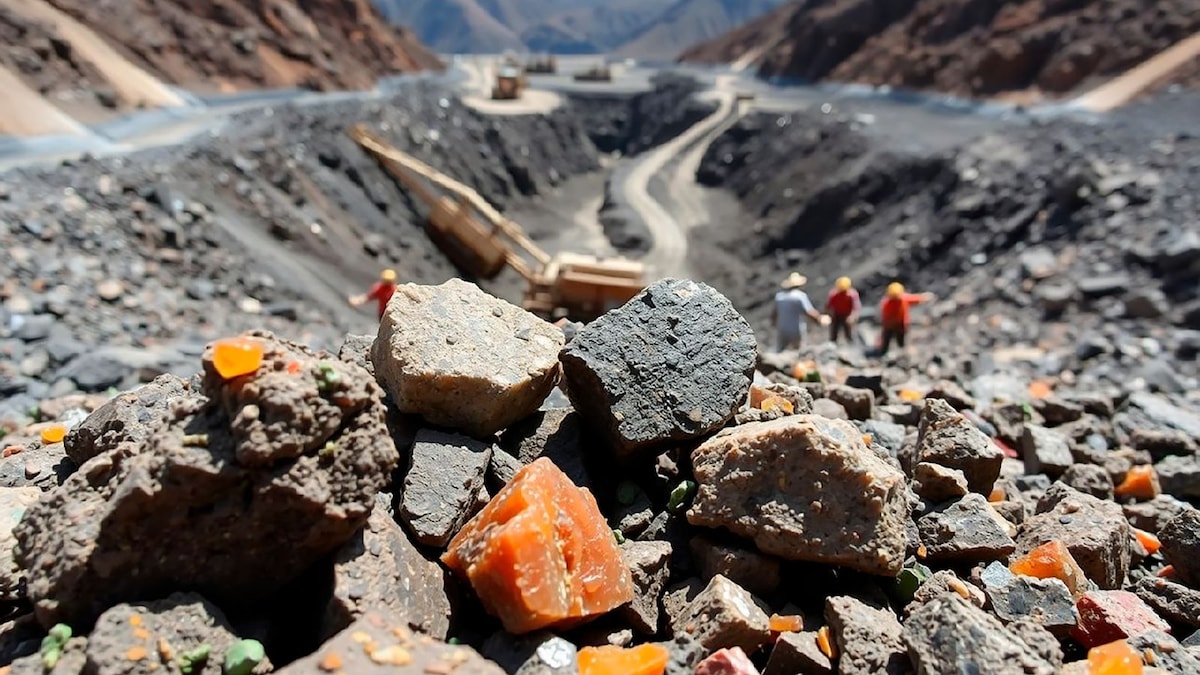
He said building the supply chain needed to support the rare earth and critical minerals market will take substantial capital. “It’s going to take hundreds of billions of dollars to build the infrastructure needed to support this market,” Sutherland said, noting that funding is starting to flow in but governments have limited capacity to process and approve new projects.
China has controlled roughly 80% of rare earth supply for years, a position export curbs from Beijing have reinforced. Sutherland said the imbalance is now driving new investment in the United States, Brazil and other regions, after two decades of minimal capital going into the sector.
Sutherland pointed to new projects in Greenland as an example of the challenge ahead. Interest in the region is growing, he said, but there is no infrastructure in place, and building it will take years. “This is mining. It is not a light switch,” he said, explaining that permitting and environmental review differ by jurisdiction and cannot be rushed.
Sutherland said semiconductor, aerospace and defence industries face a tight market in terms of near-term supply over the next two to three years, as few new projects come online in that window. He said the bigger concern is the next two to three decades, given how little investment went into the sector previously.
Asked about India’s efforts to build its own rare earth and critical minerals supply chain, Sutherland said the country lacks the capital, technology and upstream assets needed to move quickly. He said Patriot Critical Minerals is working to deploy newer extraction and processing technology on its US project first, with plans to apply that knowledge elsewhere once it is proven.For the full interview, watch the accompanying video
Catch all the latest updates from the stock market here