From calling gold at $10,000 “entirely feasible” to warning of “massive capital destruction” from the AI capex cycle, Jefferies’ Chris Wood shares his…
 1/15
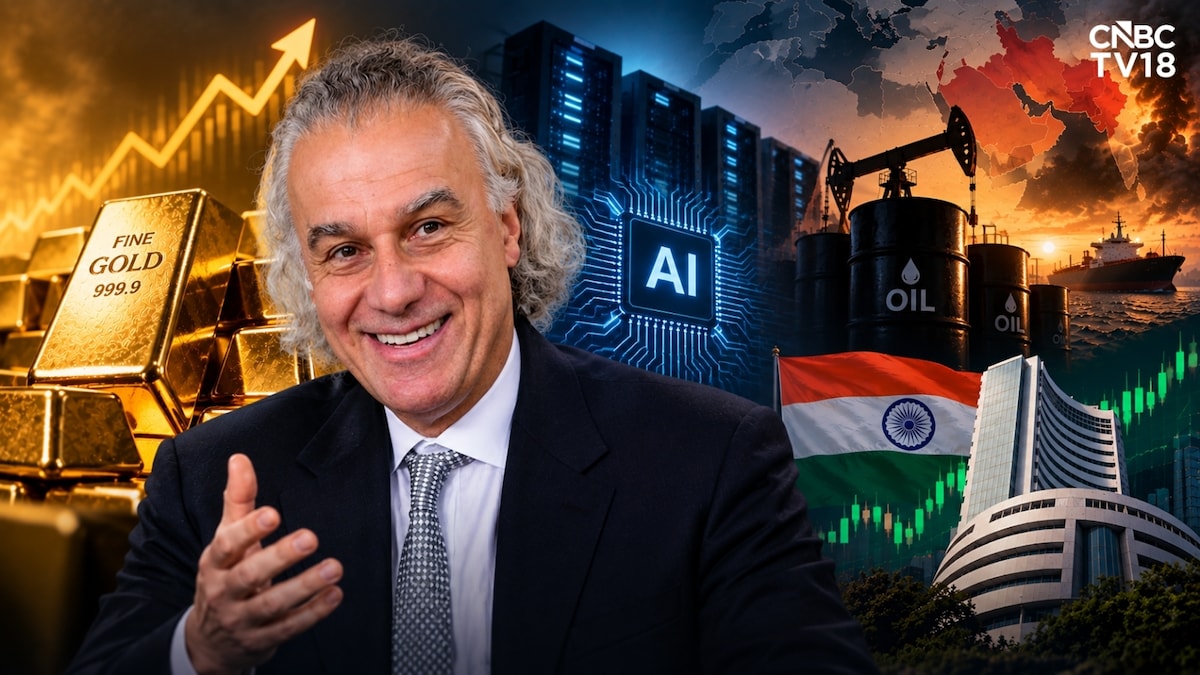
1/15Chris Wood, Global Head of Equity Strategy at Jefferies, spoke to CNBC-TV18 on the outlook for oil, US Treasury yields, gold, emerging-market bonds and equities, India’s large-cap and small- and mid-cap stocks, foreign investor flows and the future of the AI capex cycle. Here are some of his key views from the interaction:
 2/15
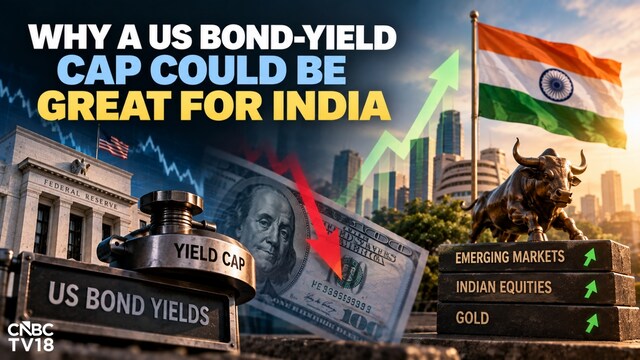
2/15Chris Wood believes the US may eventually have to cap or suppress Treasury yields if bond-market pressures intensify. He said such a move could weaken the dollar and boost gold prices. “Gold at $10,000 per ounce, which is entirely feasible in such an outcome, would massively monetise Indian household balance sheets,” he said.
 3/15
3/15Wood said the quickest way for large foreign flows to return to India would be a sharp reversal in the AI and semiconductor trade that has been attracting global emerging-market capital. “The quickest way foreign money will return in size to the Indian stock market will be if the semiconductor cycle, the AI capex cycle, implodes,” he said.
 4/15
4/15Wood questioned whether the enormous investments being made by US hyperscalers will generate returns that justify the spending. “My basic view is they’re not going to make a return to justify these investments. My base case there’ll be massive loss of capital destruction in the US,” he said.
 5/15
5/15Wood said the AI capex cycle could continue as long as markets remain willing to finance the spending. But a sudden withdrawal of credit could change the picture quickly. “What will end this story very quickly is if the market suddenly decides to withdraw the credit card and say, ‘We’re not funding this anymore.’”
 6/15
6/15About India’s small- and mid-cap segment, Wood said, “You have a lot of interesting smaller companies, a lot of dynamic entrepreneurs, so that’s undoubtedly the most interesting area of the Indian stock market.” However, he acknowledged that valuations are currently expensive.
 7/15
7/15According to Wood, last year’s record foreign selling of Indian equities was largely driven by global investors reallocating towards Korea and Taiwan as semiconductor stocks surged, rather than by India-specific factors. “That’s why you had record foreign selling of Indian equities by foreigners last year. It had almost nothing to do with India,” he said.
 8/15
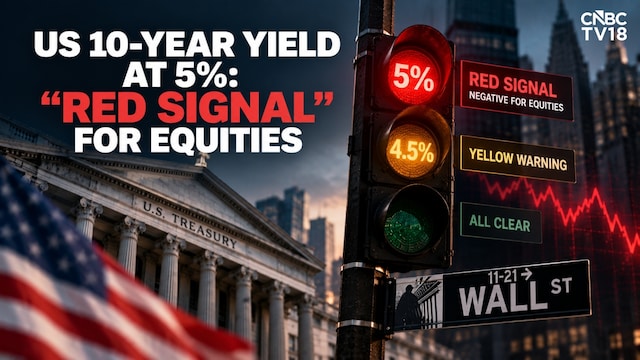
8/15Wood said the US 10-year Treasury yield is more important for financial markets than the federal funds rate and compared its levels to a traffic light. “Breaking 4 and a half% for the US 10-year was equivalent of a yellow warning light going on. A comprehensive breakthrough 5% was like a red signal,” he said, adding that further rises in yields would be negative for equities.
 9/15
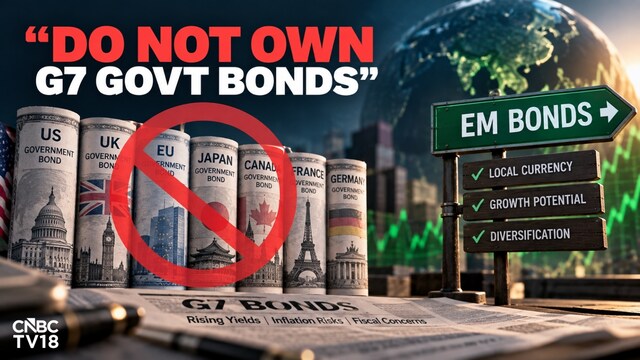
9/15Wood’s view on G7 government bonds has remained unchanged since the end of the long bond-market bull run in 2020. “Do not own any G7 government bonds. That remains my view today,” he said, while favouring local-currency emerging-market government bonds.
 10/15
10/15Wood said that if the US eventually moves to suppress Treasury yields, it could lead to a longer-term weakening trend in the dollar. He believes that would be positive for emerging-market assets, including India. “When they fix the bond yields, that means the dollar is entering a long-term weakening trend that will be fantastic news for emerging market equities and gold,” he said.
 11/15
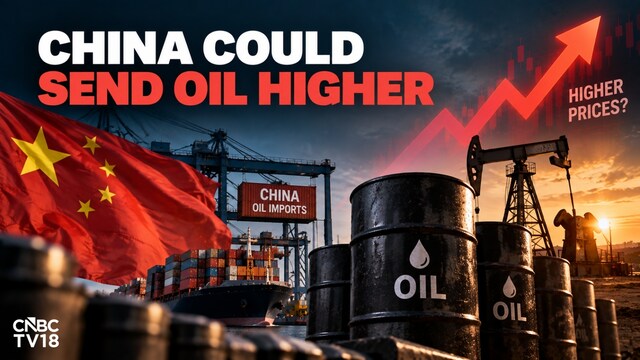
11/15According to Wood, China’s reduced oil purchases had helped keep prices lower in recent months, but a change in its buying behaviour could quickly alter the picture. “If the Chinese just suddenly want to put leverage on President Trump, then all they have to do is start buying oil again. So I think the swing factor is China,” he said.
 12/15
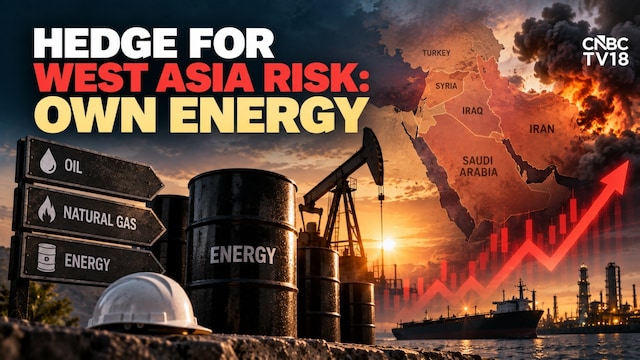
12/15With oil prices elevated amid the West Asia conflict, Wood said investors have a practical way to hedge the geopolitical risk. “The only practical way investors have to hedge this geopolitical risk, this issue in the Middle East, is to own energy,” he said.
 13/15
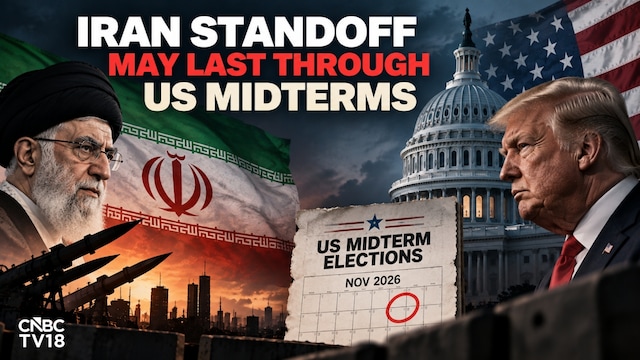
13/15Wood believes that Iran will maintain its current position and that the standoff with the US, he said, “My base case is this does not get resolved before the midterms because from an Iran standpoint, it makes total sense to keep the leverage on the US president.”
 14/15
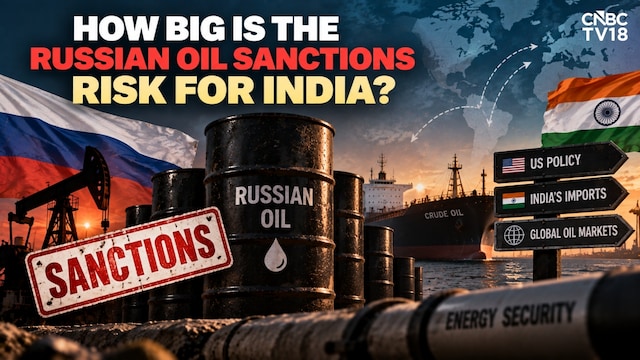
14/15Wood said sanctions targeting countries buying Russian oil could initially hurt India if the US implements them, given India’s purchases of Russian crude. However, he said the eventual impact could depend on how the US-Russia relationship develops. “If that passes and President Trump acts on it… that obviously is a big negative for India because clearly India is buying Russian oil,” he said.
 15/15
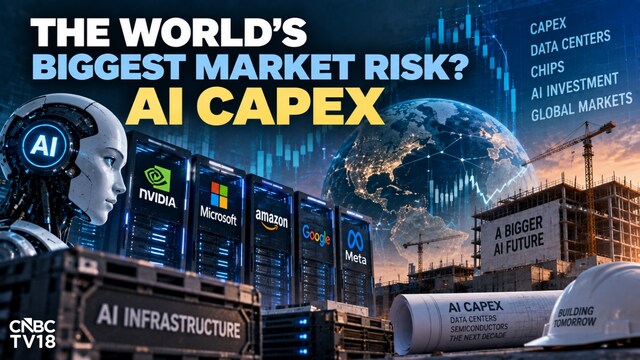
15/15The sustainability of the AI investment cycle, Wood said, is now one of the most important issues for global stock markets. “The most important macro issue for stock markets right now is not a macro issue. The most important macro issue is this question of AI capex,” he said.