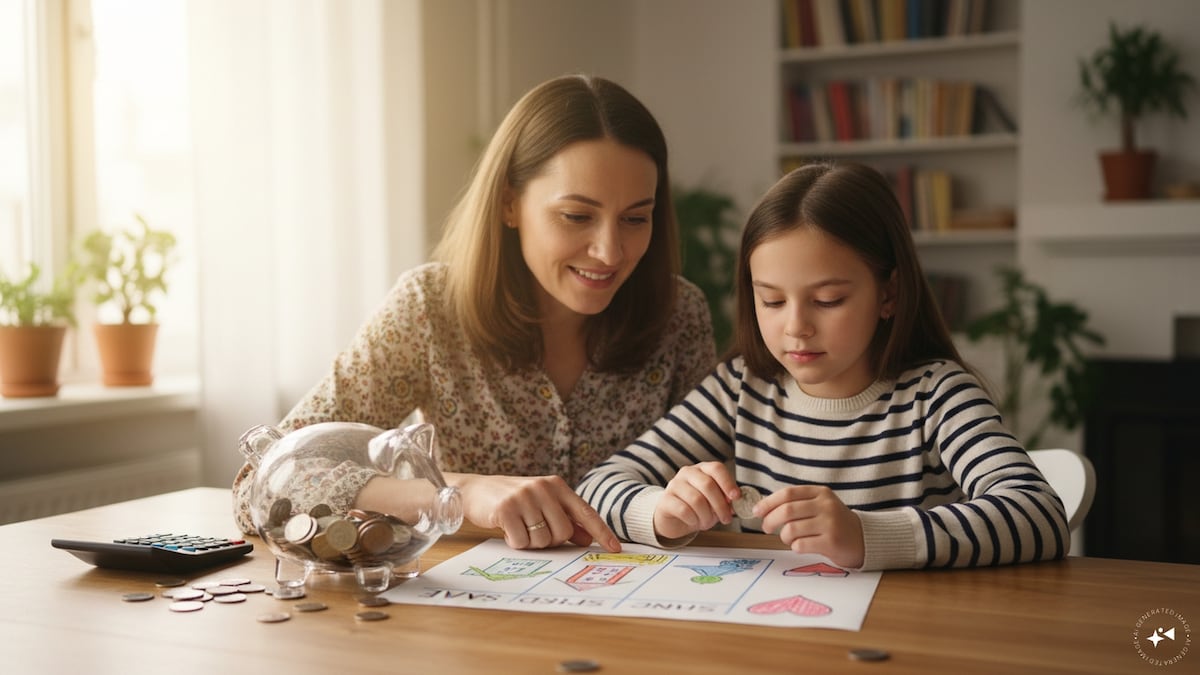
Teaching children about saving, budgeting and thoughtful spending early can help them develop healthier financial habits as they grow.
 1/8
1/8Children start developing an understanding of money much earlier than many parents realise. Everyday experiences, from watching parents shop and make payments to seeing them save, compare prices or decide whether a purchase is necessary, can shape how children view money and spending. These early observations can influence their financial habits as they grow. Teaching children simple lessons about saving, budgeting, spending wisely and understanding the value of money can help them become more responsible with their finances. Introducing simple money lessons during childhood can help them develop a more thoughtful approach to spending and saving as they grow older.
 2/8
2/8Start with the habit of saving: One of the simplest financial lessons for children is learning to save. Parents can encourage this by giving children a savings jar or helping them open a bank account suited to their age. Putting away even small amounts regularly can show children how savings can grow over time. Parents can also encourage them to save towards something they genuinely want instead of buying it immediately.
 3/8
3/8Help them understand needs and wants: Children should learn that not everything they want to buy is something they need. Parents can explain the difference between essentials, such as school supplies or food, and non-essential purchases, such as toys or other luxuries. This can help children think carefully about where their money goes and reduce impulsive spending.
 4/8
4/8Teach basic budgeting: Budgeting is another important money skill that children can learn from an early age. Parents can encourage them to divide their pocket money into spending, saving and sharing. As children grow older, their allowance can be increased gradually, while teaching them to set aside money for things they need, things they want and future savings. The 50/30/20 approach can also be introduced as a simple way to understand budgeting, with money divided between needs, wants and savings.
 5/8
5/8Encourage thoughtful spending: Before making a purchase, children can be encouraged to pause and ask themselves whether they really need the item. This simple habit can teach patience and help them distinguish between an immediate desire and a considered financial decision. Saving for something instead of buying it immediately can also make children more aware of the value of money.
 6/8
6/8Be a financial role model: Children often learn by observing the adults around them. The way parents approach shopping, saving and everyday financial decisions can influence the habits children develop. Parents can also talk about money in simple, age-appropriate language. Explaining why the family chooses to save, compares prices or avoids unnecessary purchases can make financial concepts easier for children to understand.
 7/8
7/8Teach them that money is earned: Children can gradually learn that money comes from work and effort. One way of introducing this idea is by giving them pocket money for completing age-appropriate chores or responsibilities. Understanding that money has to be earned can encourage children to value it and think twice before spending it unnecessarily.
 8/8
8/8Show them the value of saving for a goal: Saving becomes easier for children to understand when it is linked to something they want. Parents can encourage them to set aside money for a larger purchase rather than spending their entire allowance at once. For older children, parents could consider matching a portion of their savings towards a specific goal. This can encourage regular saving while allowing the child to remain involved in reaching the target.