
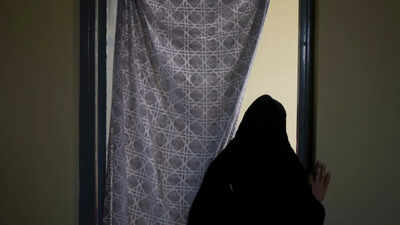
Afghanistan’s Taliban authorities detained 52 women and one girl between July and September for alleged dress code violations and appearing in public without a male guardian, including for wearing makeup, colourful scarves or leaving their hair visible, the United Nations Assistance Mission in Afghanistan (UNAMA) said on Thursday.The arrests were reported in Kabul and the western city of Herat. UNAMA said it was “gravely concerned” about the detentions and threats of arrest, warning that safety concerns and stigma could mean many more cases had gone unreported. It also raised alarm over reports of verbal abuse, beatings and threats against women, including female shopkeepers. The Taliban government did not immediately respond to the statement.
What can get women detained under Taliban rule?
The reasons cited in the latest cases offer a glimpse of how closely the Taliban police women’s appearance and movement in public. Women were reportedly detained for not wearing a chador, leaving their hair visible, wearing colourful scarves or makeup, or going out without a mahram, a close male relative who acts as a guardian.These restrictions sit alongside the Taliban’s 2024 Law on the Propagation of Virtue and Prevention of Vice, which lays out detailed requirements for women’s clothing and conduct. Article 13 says women must cover their entire bodies and states that they should cover their faces to prevent fitna. It also requires women to conceal their voices in certain public settings, including singing, reciting or chanting aloud in gatherings.The law further says women’s clothing must not be thin, short or tight, and that women must conceal their bodies and faces from men who are not close male relatives. It also says an adult woman leaving home for an urgent need must conceal her voice, face and body.The law applies across Afghanistan and provides for a sequence of enforcement measures, ranging from warnings and fines to detention. The translated text also allows enforcers to impose other punishments they consider appropriate, subject to the law’s stated conditions.
A wider crackdown on women
Since returning to power in 2021, the Taliban have imposed sweeping restrictions on women and girls, including barring girls from education beyond primary school and curbing women’s movement and participation in public life.The latest detentions come months after Taliban authorities opened fire on a rare protest in Herat in June over the arrest of women for alleged dress code violations. At least one person was killed and several others were wounded, according to witnesses and UNAMA.