
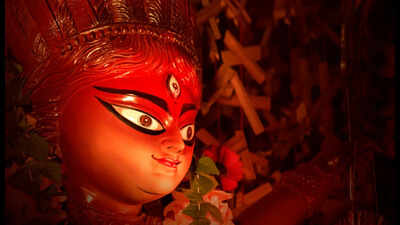
Chilly air, the smell of flowers, falling leaves and a sense of purity in the air — nature itself declares the homecoming of the Divine Mother. This year, Sharadiya Navratri is starting on October 11, 2026. As the nine days of festivities begin, all of India celebrates the divine feminine in one way or another, whether it’s Gujarat’s Navratri and garba or Bengal’s Durga Puja and dhunuchi naach; each part of the country gets busy forgetting its problems and surrendering them to the goddess.The nine days of celebration signify the great battle between the demon Mahishasura and Goddess Durga, showcasing the ultimate victory of good over evil. The nine days also represent the nine divine forms of the goddess. The festival culminates in Vijayadashami, the day associated with Lord Rama’s victory over the demon king Ravana and Goddess Durga’s victory over Mahishasura.Here are the nine days of Navratri shubh muhurat — the most auspicious times of the day to invoke the blessings of Goddess Durga in your home and family.
Image credit- Canva
Day 1: October 11, Sunday – Maa Shailputri
Shubh Muhurat: 6:19 AM to 10:12 AM; alternative window: 11:44 AM to 12:31 PM.The first day of Sharad Navratri is dedicated to Maa Shailputri, the daughter of the mountains and the first form of Goddess Durga. The day begins with Ghatasthapana, or Kalash Sthapana, a ritual that marks the invocation of divine energy into the home and the beginning of nine days of worship.What to do: Establish the sacred Kalash, sow barley seeds in a pot of soil and offer white flowers to Maa Shailputri.
Day 2: October 12, Monday – Maa Brahmacharini
Shubh Muhurat: 6:20 AM to 7:47 AM; Abhijit Muhurat: 11:44 AM to 12:30 PM.Maa Brahmacharini represents devotion, patience and perseverance. Her worship reminds devotees that spiritual growth requires discipline and faith, even when the path ahead seems difficult. On this day, devotees seek the strength to remain committed to their goals and values.What to do: Offer flowers and mishri to the goddess, chant her mantra, and spend a few minutes in meditation.
Day 3: October 13, Tuesday – Maa Chandraghanta
Shubh Muhurat: 10:41 AM to 12:08 PM; Abhijit Muhurat: 11:44 AM to 12:30 PM.The third day is dedicated to Maa Chandraghanta, the one with a crescent-shaped adornment on her forehead. She represents courage, protection and the strength to confront challenges. Devotees worship her to overcome fear and find peace amid uncertainty.What to do: Offer red or yellow flowers and pray for courage, protection and a calm mind.
Day 4: October 14, Wednesday – Maa Kushmanda
Shubh Muhurat: 6:21 AM to 9:15 AM; Abhijit Muhurat: 11:43 AM to 12:29 PM.Maa Kushmanda is traditionally believed to have created the universe through her divine smile. She represents vitality, creativity and the light that dispels darkness. Devotees seek her blessings for good health, prosperity and renewed energy.What to do: Offer fresh flowers and seasonal fruits, light a diya, and pray for health and abundance.
Day 5: October 15, Thursday – Maa Skandamata
Shubh Muhurat: 6:22 AM to 7:48 AM; Abhijit Muhurat: 11:43 AM to 12:29 PM.Maa Skandamata, the mother of Lord Kartikeya, represents maternal love, compassion and protection. Her worship is associated with family well-being, peace and harmony. Devotees seek her blessings for their children’s happiness and the prosperity of their households.What to do: Offer bananas or other fresh fruits as bhog and pray for the well-being of your family.
Day 6: October 16, Friday – Maa Katyayani
Shubh Muhurat: 7:49 AM to 9:16 AM; Abhijit Muhurat: 11:43 AM to 12:29 PM.Maa Katyayani is a fierce form of Goddess Durga associated with courage, determination and the destruction of evil. Her worship represents the strength to overcome obstacles and stand up for what is right. Devotees pray to her for confidence and clarity during challenging times.What to do: Offer red or yellow flowers and seek the goddess’s blessings for strength, determination and wise decisions.
Day 7: October 17, Saturday – Maa Kalaratri
Shubh Muhurat: Abhijit Muhurat: 11:43 AM to 12:29 PM; the supplied midnight window is 11:41 PM to 12:31 AM on October 18.Maa Kalaratri is the fierce seventh form of Goddess Durga, worshipped as the destroyer of evil and the protector of her devotees. Although her appearance is formidable, she symbolises the courage to confront darkness and overcome fear. Her worship reminds devotees that even difficult phases of life can be faced with faith.What to do: Light a diya, offer prayers and reflect on the fears and negative habits you wish to overcome.
Day 8: October 18, Sunday – Maa Mahagauri
Shubh Muhurat: 7:50 AM to 10:41 AM; Abhijit Muhurat: 11:43 AM to 12:28 PM.Maa Mahagauri represents purity, peace and spiritual renewal. Her worship is associated with forgiveness, inner cleansing and new beginnings. On Ashtami, many devotees perform Kanya Pujan, welcoming young girls as symbolic representations of the divine feminine and offering them food and gifts.What to do: Offer white flowers and sweets, and perform Kanya Pujan according to your family’s tradition.
Day 9: October 19, Monday – Maa Siddhidatri
Shubh Muhurat: 6:24 AM to 7:51 AM; Abhijit Muhurat: 11:43 AM to 12:28 PM. The supplied Navami Havan window is 6:24 AM to 12:28 PM.Maa Siddhidatri, the ninth form of Goddess Durga, is associated with spiritual wisdom, fulfilment and divine blessings. The final day of Navratri is a time for gratitude and the completion of the nine-day worship. Many devotees perform a havan and Kanya Pujan before concluding their prayers.What to do: Offer flowers and fruits, complete your daily prayers and perform a Navami havan or Kanya Pujan if it is part of your family’s tradition.
October 20: Vijayadashami – The victory of good over evil
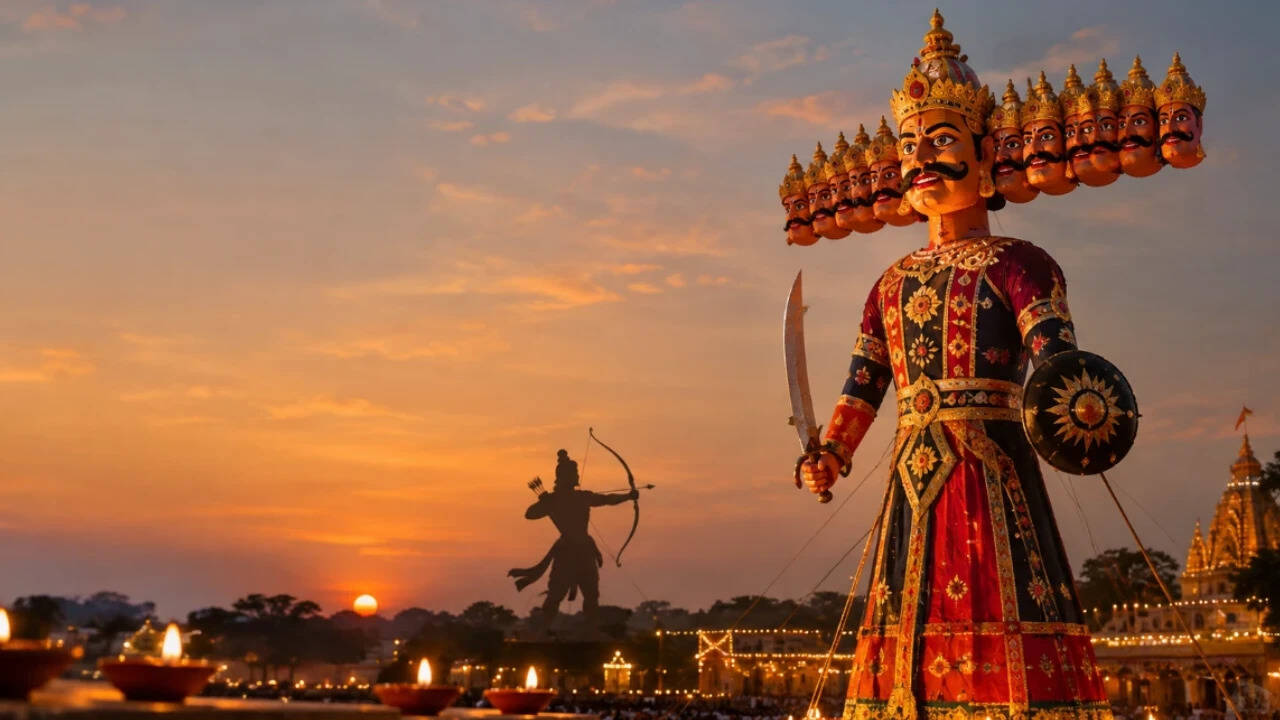
(AI Image)
Aparahna Muhurat: 1:15 PM to 3:31 PM, as supplied.Navratri concludes with Vijayadashami, also known as Dussehra, which celebrates the victory of good over evil. The festival is associated with Lord Rama’s victory over Ravana and, in many traditions, Goddess Durga’s triumph over Mahishasura. Devotees mark the occasion with prayers, celebrations and the beginning of new ventures.What to do: Offer prayers for prosperity and success, seek blessings from elders and, where customary, perform Vijayadashami puja during the auspicious afternoon window.