

The High Court in London is hearing a bitter £3 million will challenge brought by the dry-cleaning tycoon’s daughters, Saniye and Mary Djemal, against Hacer Gun, the woman named sole beneficiary in his 2018 will. Djemal, who died in 2022 aged 88, met Gun in a supermarket in 2009, when he was 75 and she was 52. His daughters allege undue influence, coercive control and a lack of mental capacity. Gun, now 69, says they were a happy, romantic couple for the last 12 years of his life and that the will reflected his true wishes.
Ali Djemal ‘s 2018 will leaves his £3 million estate to Hacer Gun, the woman he met in a supermarket
According to The Telegraph, Djemal changed his will in 2018, leaving his estate to Gun rather than dividing his properties among his children. The will left her everything on the condition that she provide for his daughter Mary’s needs for the rest of her life. Saniye and Mary want Judge Alan Johns, King’s Counsel, to overrule that will and reinstate one made in 1992. That earlier document shared three properties on Swinton Street, now an upmarket corner of King’s Cross, equally between all three of Djemal’s children. Their brother, Murat Soyer, who lives in Cyprus, is taking no active part in the case.
Daughters claim the woman their father met while shopping unduly influenced him in his final years
As reported by The Independent, Susan Bayliss, the barrister for Saniye and Mary, who are half-sisters, told the court that Gun was Djemal’s former carer and never his partner. She said the sisters contend Gun began working for their father in late 2012 and gradually took control of him and his property while alienating him from his family. Bayliss told the judge that by 2016 to 2017 he was entirely dependent on Gun, so it may be inferred that the will was procured by her influence at a time when he was mentally frail and vulnerable. The sisters say they watched Gun involve herself in his business and finances, and that his frailty and confusion left them extremely worried about his wellbeing.
Hacer Gun says she was the tycoon’s romantic partner for the last 12 years of his life
Gun’s barrister, Ollie Murrell, told the court that she first helped around Djemal’s home on Grays Inn Road in central London and helped care for his disabled partner at the time. Their relationship blossomed, he said, and by 2010 they were romantically involved, with Gun visiting six times a week and later helping in the dry-cleaning business. Murrell said Djemal made clear he would be “dead without her”. After the pandemic began, Djemal moved in with Gun and her daughter, Kristen, at their north London home in 2021. Giving evidence, Gun told the court that Djemal was clear-minded and capable of taking business decisions until the final months of his life, and that he suffered no forgetfulness whatsoever.
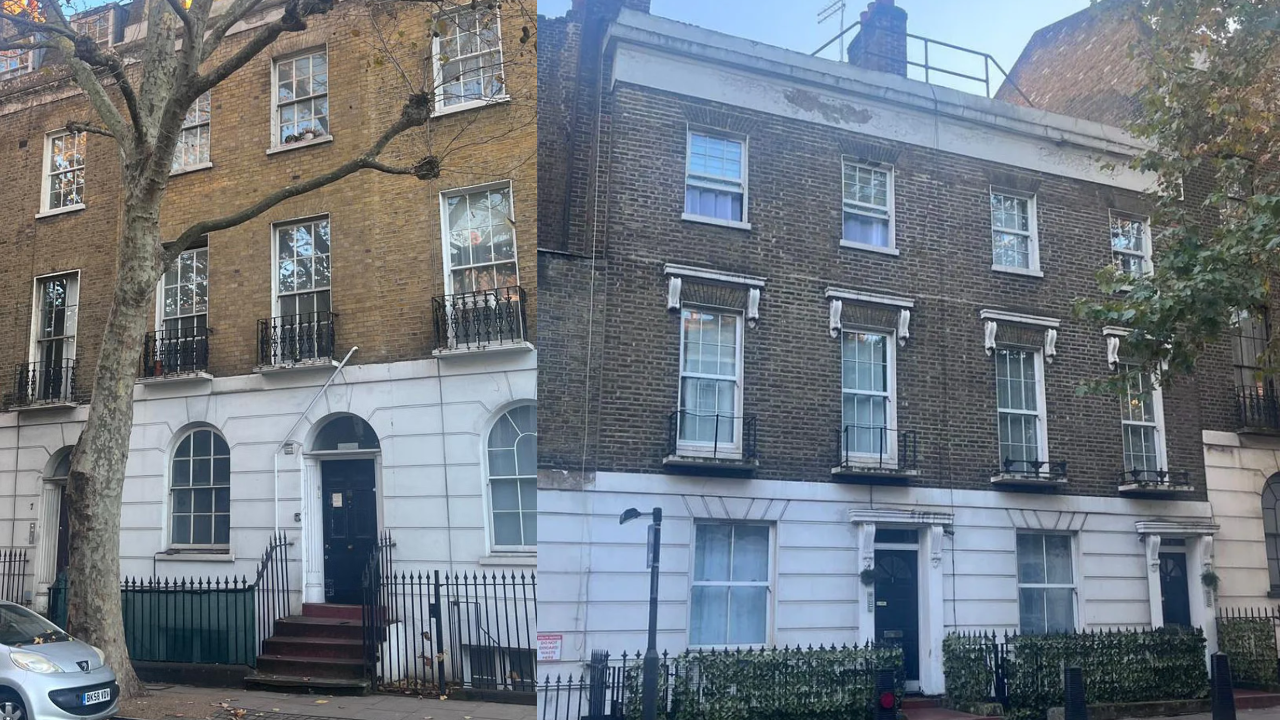
One of the houses in Swinton Street, Kings Cross, is at the centre of a dispute over Ali Djemal’s will (Image: Champion News)
Sisters question £500,000 in payments and spending from their father’s accounts before his death
Bayliss told the judge that from 2017 onwards payments to Gun’s family drained Djemal’s bank accounts, and she described transactions totalling £500,000 as suspicious. They included £270,000 transferred to Gun’s son in August 2017, smaller cash gifts to Gun and her relatives, and £107,929 spent on Amazon. Murrell told the judge that by 2015 Djemal had come to regard Gun and her family as his own, so gifts of money, driving lessons and other valuable items to her children were nothing unusual. He added that Djemal routinely asked Gun to buy things on his behalf, and that much of the Amazon spending came during the pandemic, when online shopping was the norm.
Isolation or choice: Why the family drifted apart is at the very heart of the case
Bayliss told the court that Gun changed Djemal’s mobile phone number and blocked his children’s numbers on his handset. Gun denied pushing him away from his family, said Mary’s calls were not blocked, and told the court that Djemal remained in contact with Mary while it was Saniye’s side who stopped contact. She described him as a strict and authoritarian man who decided for himself whether to see close family. Bayliss put it to her that she should have kept his family informed after they moved to her Enfield home, and Gun replied that this was Djemal’s decision and not her concern.Murrell told the judge that Djemal had good reason to keep Saniye and her son at a distance, citing a long-running business dispute, a quarrel over a dead relative’s will and ongoing money disagreements. He pointed to 16 November 2016, when the sisters contacted Djemal’s general practitioner alleging poor memory and health, which he said caused a serious fracture with Saniye that never healed and left Djemal feeling manipulated. Gun told the court Djemal was also unhappy with how his grandson, Saniye’s son, managed his properties. The sisters say they later contacted social services and the police because they could not reach their father.
High Court judge must decide whether the 2018 will reflected what Ali Djemal truly wanted
Bayliss told the judge that the 2018 will contradicts Djemal’s expressed lifetime intentions and conduct to provide for his blood family. She said that even after his relationship with Saniye hit a rocky patch in 2016, he remained committed to substantial provision for Mary, yet the will gives Mary no financial protection and places everything in Gun’s hands. She added that Djemal knew his children disliked Gun and that Mary was frightened of her. Gun’s lawyers counter that the will matched Djemal’s true feelings for the woman who shared his final years. The trial continues.