
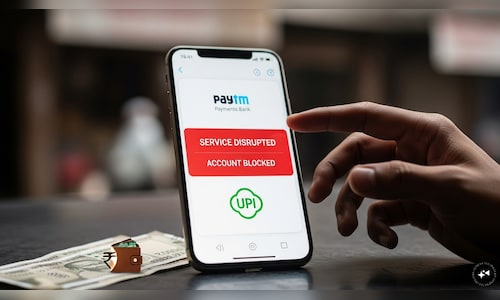
What the cancellation means in practice
With the licence revoked under the Banking Regulation Act, 1949, the payments bank can no longer carry out the “business of banking.” In simple terms, it cannot accept fresh deposits or undertake lending or investment activities linked to customer funds.
However, this does not freeze existing accounts. The RBI has explicitly stated that the bank holds enough liquidity to repay all depositors, which means customers can access their money.
What existing account holders can doCustomers who still have balances with Paytm Payments Bank can:
- Withdraw their money in full
- Transfer funds to another bank account
- Use up the balance until it becomes zero
There is no restriction on withdrawing funds, but no new deposits, credits, or top-ups are allowed. This includes salaries, refunds, or any incoming transfers into these accounts.
Will Paytm app and UPI services continue?
Importantly, the shutdown applies only to the banking entity—not the broader Paytm ecosystem run by Paytm and its subsidiaries.
The company has said its digital services remain unaffected, including:
- UPI payments
- QR code-based merchant payments
- Soundbox and card machines
- Payment gateway and wealth services
Users can continue to make UPI transactions as long as their Paytm app is linked to another bank account such as those with mainstream lenders.
Is depositor money safe?
Beyond the RBI’s assurance on liquidity, deposits are also protected under the deposit insurance framework managed by the Deposit Insurance and Credit Guarantee Corporation.
Each depositor is insured for up to ₹5 lakh per bank, covering both principal and interest. This acts as a safety net in the unlikely event that full repayment is delayed during the winding-up process.
What happens next
The RBI will initiate formal winding-up proceedings before the relevant High Court. During this process, repayments to depositors will be prioritised.
For customers, the key takeaway is:
- Existing money is accessible and can be withdrawn
- No fresh funds can be added
- Paytm’s app-based payment services continue independently