
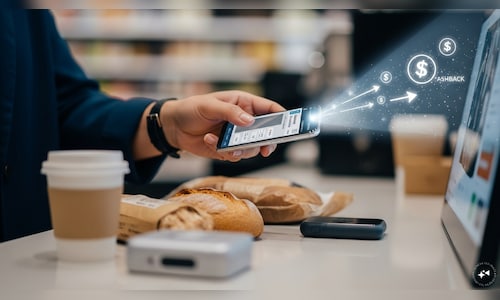
Amit Koshal, Co-founder and CEO of TWID, said the change is being driven by a clear behavioural shift from passive accumulation to active usage. Earlier, reward points were largely treated as benefits redeemed for aspirational or high-value purchases.
“We are seeing a shift from passive accumulation to active usage,” Koshal said, noting that consumers are now deploying points more frequently to manage routine expenses.
How consumers are using reward points today
Koshal outlined that reward points are now being used in three key ways:
- Everyday expense offsetting: Categories such as food, groceries and utilities are emerging as leading redemption areas, with users saving around 7–8% per transaction in some cases.
- Real-time redemption at checkout: Instead of saving points for later, consumers are increasingly using them instantly during payments.
- Aggregated usage across programs: Platforms that consolidate multiple loyalty programs are enabling users to treat reward points as a unified balance rather than fragmented rewards.
He said over 5 billion reward points were redeemed on TWID in 2025, unlocking more than ₹100 crore in value, indicating growing adoption at scale.
Why this shift is happening
According to Koshal, several structural factors are driving this change:
- Growth of digital payments and UPI: Seamless payment experiences are making it easier to integrate rewards directly into transactions.
- Integration at checkout: Reward redemption is increasingly embedded into both online and offline payment flows, making usage more immediate.
- Rising financial awareness: Consumers are more actively seeking ways to reduce cash outflows in high-frequency spending categories.
He said this combination is pushing rewards from a “post-purchase benefit” to an “on-the-spot financial tool.”
What this means for consumer behaviour
Koshal added that reward points are beginning to behave like a more liquid financial instrument. As real-time redemption becomes standard, consumers are treating rewards as a parallel spending balance alongside cash or card limits.
“This is also influencing card preference at checkout, as consumers tend to favour instruments where rewards are immediately usable,” he said.
Over time, he added, this could reshape budgeting behaviour, with households factoring reward balances into routine expense planning and using them to stretch overall purchasing power.
First Published: Apr 24, 2026 5:08 PM IST