
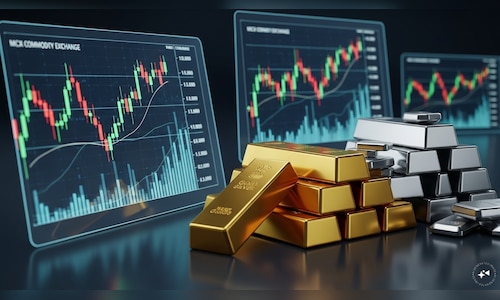
On the Multi Commodity Exchange (MCX), gold traded nearly 0.5% higher around ₹1.63 lakh per 10 grams in early deals. Silver, however, fell nearly 1% to around ₹2.98 lakh per kg.
The domestic bullion market remained volatile after both metals logged one of their sharpest single-day gains of 2026 in the previous session following the import duty hike.
Analysts said the increase in customs duty has significantly altered domestic price dynamics even as international bullion prices face pressure from elevated US inflation and expectations of higher interest rates by the US Federal Reserve.
Pranay Aggarwal, Director and CEO, Stoxkart, said a weakening rupee could trigger a broader sectoral shift in equity markets if the currency moves toward the ₹100 per US dollar mark. He said higher import costs may increase inflationary pressures and weigh on sectors such as aviation, FMCG and automobiles, while export-oriented industries including IT, pharmaceuticals and specialty chemicals could benefit from stronger dollar earnings.
Aggarwal added that gold prices in India
may continue to rise amid currency weakness and inflation concerns. He advised investors to diversify portfolios, maintain exposure to export-driven businesses and keep some allocation to gold as a hedge against volatility.
Ravi Singh, Chief Research Officer, Master Capital Services, said MCX gold prices surged nearly 6% in the previous session, reflecting what he described as a “major structural shift” in the domestic bullion market after the duty hike.
According to Singh, the revised duty structure — including a 10% Basic Customs Duty and 5% Agriculture Infrastructure and Development Cess (AIDC) — aims to curb non-essential imports, conserve foreign exchange reserves and stabilise the rupee.
Singh also noted that domestic bullion prices have remained relatively insulated from weak global cues because of the sharp increase in import duties. He added that geopolitical tensions, including developments in West Asia and trade discussions between the US and China, continue to support safe-haven demand for gold.
Meanwhile, Manav Modi, Analyst, Motilal Oswal Financial Services Commodities, said gold prices traded largely flat in Asian markets as investors awaited talks between US President Donald Trump and Chinese President Xi Jinping in Beijing.
Modi said concerns around the Iran conflict and disruptions near the Strait of Hormuz continued to support bullion demand, but stronger US inflation data and a firmer dollar limited gains. He noted that higher US producer and consumer inflation strengthened expectations that the Federal Reserve may keep interest rates elevated for longer, reducing the appeal of non-yielding assets such as gold.
He added that the US Dollar Index remained near a two-week high while US Treasury yields climbed to multi-month highs, further pressuring international bullion prices. Modi also said India’s import duty increase could reduce jewellery demand in one of the world’s largest bullion-consuming markets, while helping support the country’s foreign exchange reserves.