Benchmark equity indices in the world’s fastest-growing major economy are underperforming most peers with investors outside India selling more than $23 billion of their holdings so far in 2026, surpassing last year’s record outflows.
Some analysts say India’s valuation premium, once justified by strong economic growth expectations, is becoming harder to defend. The Indian market trades at more than 20 times earnings, above most major European and emerging markets, but offers one of the world’s lowest dividend yields.
That has left Indian equities vulnerable as global investors look for cheaper markets and higher-return opportunities linked to the AI-led global equity rally, particularly in US technology stocks. South Korea’s AI-laden KOSPI index has surged more than 200% in a year.
Meanwhile, India’s heavyweight information technology stocks index has fallen by more than a third since December 2024.
Already down about 8.5% this year, the Nifty 50 was forecast to rise only around 8.7% to 26,000 at end-2026 from Tuesday’s close, a May 15-27 poll of 24 analysts showed. If realised, the annual decline of about 0.5% would be its first yearly loss since 2015.
It was then expected to bounce to 27,000 by mid-2027 and 29,000 by end-2027.
The BSE Sensex was projected to be 84,150 at end-2026 and 87,895 at mid-2027. The median forecasts for both indices were sharply downgraded from a February poll, conducted before the US-Israel war with Iran began.
”Everyone wants returns at the end of the day, whether it’s foreigners or domestic investors. Nobody wants to just park their money for fun … but the returns are not there, earnings growth is almost negligible to very low.
AI is where the flavour of the town is right now and this is where India, not just we lack it, we are actually on the wrong side,” said Rajat Agarwal, Asia equity strategist at Societe Generale.
Agarwal added domestic buyers who were keeping the market afloat through monthly systematic investment plans (SIPs) were also showing signs of strain.
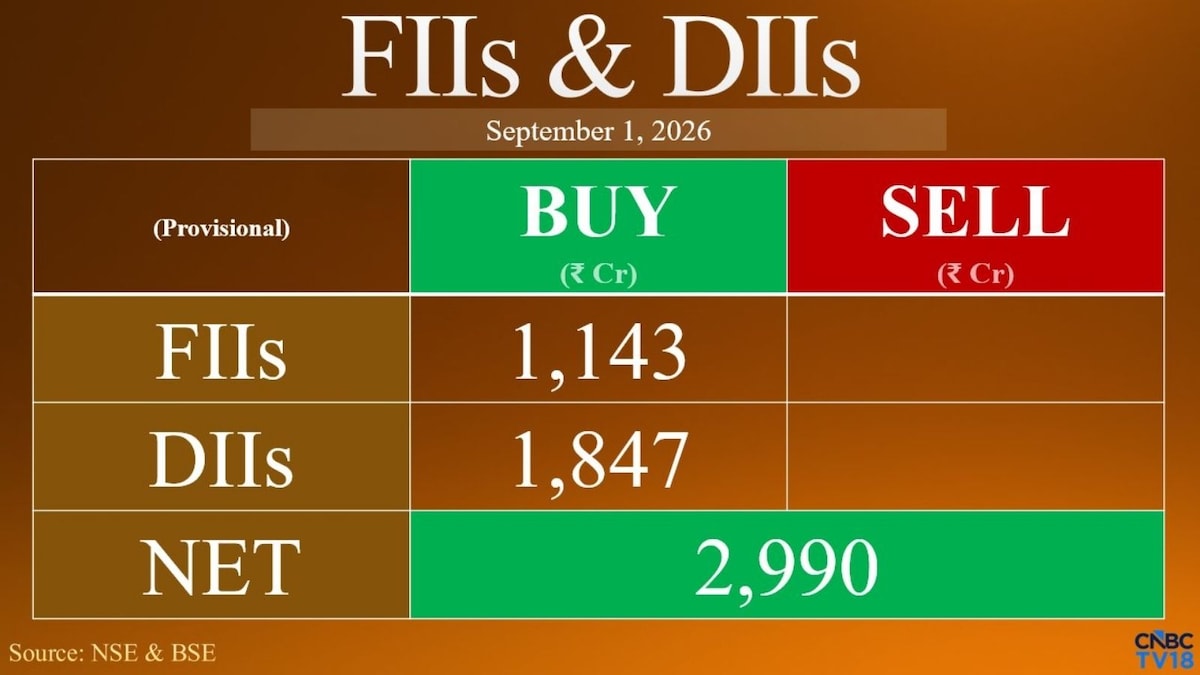
SIPs, which are regular monthly mutual fund investments by retail shareholders, have grown nearly tenfold over the past decade. Domestic institutional investors (DIIs) now own a record share of Indian equities while foreign ownership is at an all-time low.
”It is thanks to local DIIs and liquidity from retail participants the market has held up,” said Aman Sethia, head of treasury at Groww. ”If this hadn’t been in place, we would have seen the Nifty at around 19,000 or 20,000 over the last year.”
A slim majority of analysts, 13 of 24, said a correction was likely over the coming three months.
They said India’s limited exposure to the global AI trade and its vulnerability to a widening current account deficit due to the Middle East war are discouraging foreign investors from committing capital.
”Our exports are not growing and we know import bills will swell now with high energy prices. Given corporate earnings have not been that strong … we are not that favourably placed,” said Kishan Gupta, director at CD Equisearch.
Gupta added India’s corporate sector had not done enough to build innovation-led cash flows, particularly in AI. ”A culture of innovation – that thing is absent in our country.”
Also Read: Patanjali Foods Q3 profit slips 26% on rising costs; margins taper; revenue up 17%