A Colombian architect has developed a construction system that turns discarded plastic and rubber into blocks for temporary and permanent homes. The blocks can be assembled and dismantled like lego without glue, cement or water, offering a cheaper alternative to traditional construction in rural areas.Fernando Llanos, who had been trying to build his own house but faced difficulties transporting construction materials to his property in Cundinamarca. He eventually began exploring plastic as an alternative building material.The project was developed by Conceptos Plasticos. According to Extrusiones SA’s report, the company’s system uses industrial plastic as well as plastic collected from ordinary consumers. Different types of plastic are mixed depending on the properties required for a building. The finished blocks are made through extrusion, in which the plastic is melted and poured into moulds. The blocks were designed for one and two-storey homes, with major elements such as walls and beams made from recycled plastic.
Four people can build a house in five days
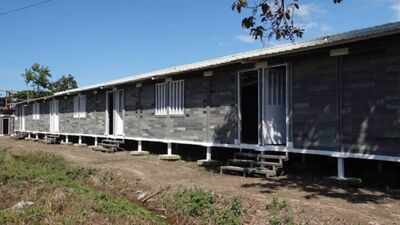
One of the main features of the system is that the houses can be assembled and taken apart. In an interview with Semana Sustainable, architect Oscar Andres Mendez explained how the process works.“Four people can build a 40-square-metre house in five days and take it apart in three days. The houses are transferable, meaning they can be moved anywhere. The blocks fit together, so there is no need for glue, cement or water, just a hammer and a wrench.”The company had already used the system for temporary shelters for people displaced by violence. In 2015, it built a shelter for 42 families in Guapi, Cauca. The design was adapted for mobility and local weather conditions, with the recycled plastic blocks allowing the shelters to be dismantled and moved elsewhere within the municipality.By the time of the interview, three shelters in Guapi, each covering 400 square metres and housing 242 displaced people in total were also built. Some houses in Valle del Cauca had been purchased by private individuals, while the company had also exported its products to Costa Rica. It was also preparing to inaugurate 10 houses in Cartagena.
How Plastic waste helps buildings
The company does not use just one kind of plastic. Mendez said it works with industrial plastic and material that has passed through consumers’ hands. The company buys plastic from businesses and some groups of recyclers.“Each type of plastic gives the product different properties. Some provide flexibility, while others provide rigidity, and so on. Once we have defined the design and the needs of the house we want to build, we mix several types of plastic,” Mendez said.Developing the right formula was not simple. Used plastic behaves differently from new material and required more experimentation before the blocks could be produced.
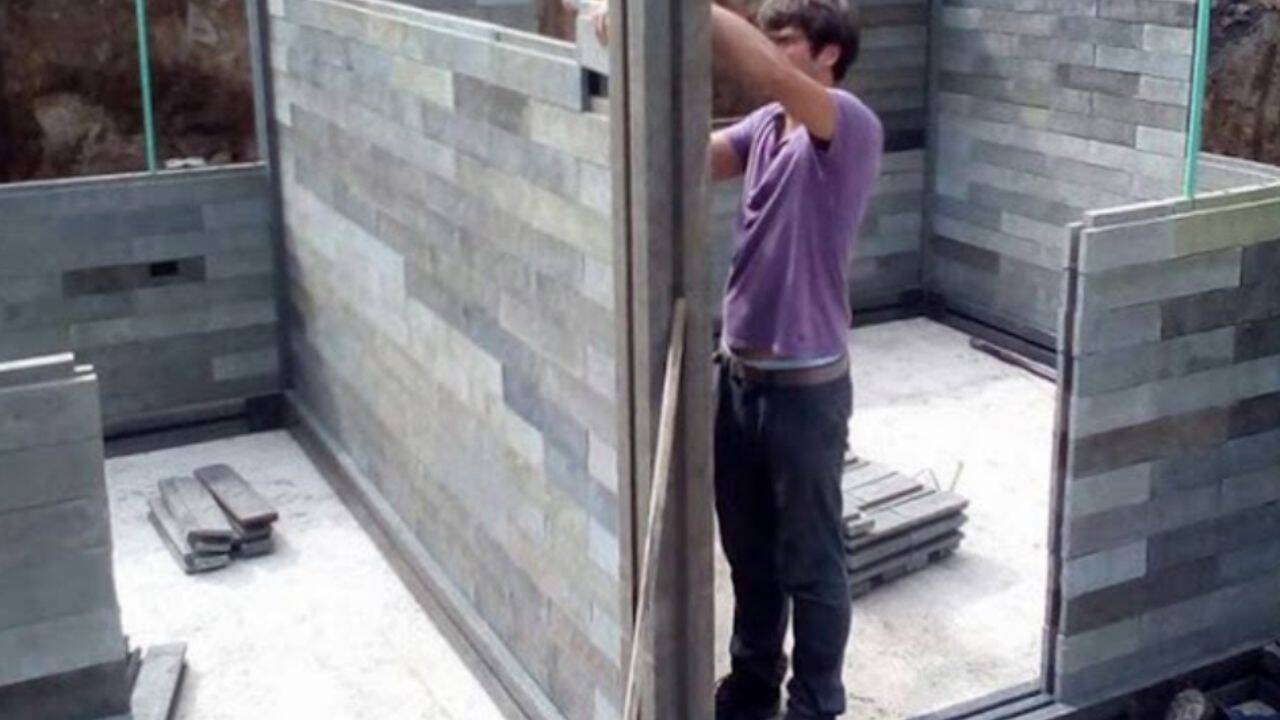
A worker assembles blocks made from recycled plastic to build a house in Colombia.
Mendez said, “Working with virgin plastic is simple because there are defined parameters, but used plastic requires more experimentation.”The company holds patents for the blocks and said it was the only manufacturer of them in Colombia and abroad at the time.The blocks undergo treatment intended to make them fire-resistant. The plastic structure can also make buildings resistant to earthquakes.
Designed to cost less
Cost is another part of the project’s appeal. The construction is 30 per cent cheaper than traditional systems in rural areas.The use of recycled material is also intended to reduce the amount of plastic sent to landfills. The project said it could lower water and energy consumption and CO2 emissions through the use of recycled materials.For Mendez, however, the project was about more than construction and waste management. He wanted recycling to be linked directly with housing.“At the moment, we have a major project in which we want to promote education further. Although we were already visiting schools and giving talks, we want citizens to realise that simply separating their waste and taking it to a nearby collection point can help provide someone with decent housing.”He described the work as one that ‘closes the plastic cycle’, connecting an environmental problem with a social need.
Addressing concerns about plastic homes
The idea of living in a house made from waste can raise concerns about safety and health. Mendez said people often associate a plastic house with bags or a tent rather than a solid building material.“When we say, ‘this is a plastic house’, people imagine bags or something like a tent. They never think about hard materials such as soft-drink bottle caps or paint cans, which are also made of plastic.”He said people’s reactions often changed after they saw the blocks and understood how the plastic was transformed.Health was another common question. Mendez said people asked whether living in houses made from waste could cause illnesses or allergies.He explained that the material goes through temperatures above 300 degrees, which it said ensures the death of microorganisms. It also worked with clean plastics that had already gone through grinding and washing before reaching the company.