When Tara Dexter bought a neglected patch of land in Sidlesham, West Sussex, for £57,000, it was far from the countryside dream she had imagined. The site was reportedly filled with rubbish, car parts and other dumped waste. But for Dexter, 57, the property represented something much bigger. It was an opportunity to fulfil a dream she had once shared with her late partner, Gary, while also giving herself a place to heal after his death from cancer.Today, the site has been transformed into a smallholding filled with plants, pigs, chickens, peacocks and wildlife. But Dexter has now been given just four months to dismantle key parts of the project after her planning appeal was rejected.
From fly-tipped wasteland to thriving smallholding
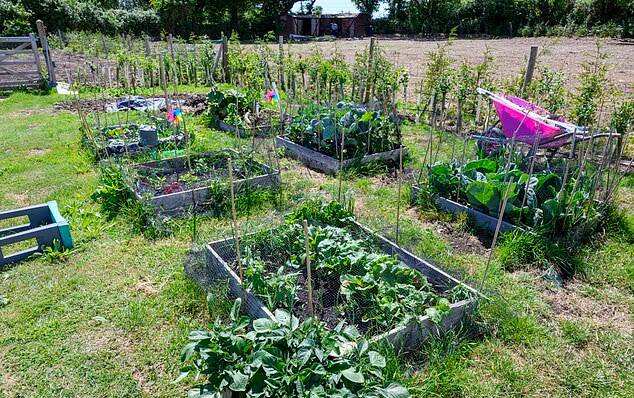
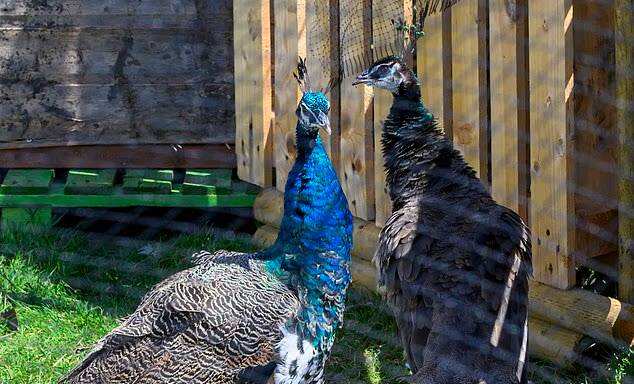
According to the Daily Mail, Dexter said she spent years clearing rubbish and transforming the land into what she describes as her dream micro-farm.The property now has around 2,000 plants, raised beds, fencing and hedgerows. Deer and buzzards visit the site, while Dexter also keeps pigs, chickens and peacocks.She created a willow igloo that is used by disabled children who visit the site, while pupils from a nearby primary school have also taken part in outdoor activities there.But the very structures Dexter says are essential to running the smallholding have become the centre of a planning dispute.
‘This project has literally saved my life’
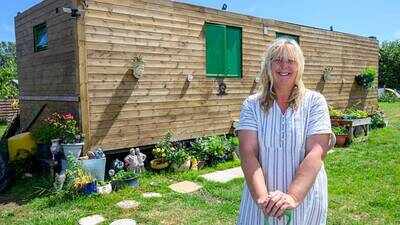
Tara Dexter transformed a £57K dumping ground into a beautiful countryside property filled with animals, plants and wildlife. (Photo: Daily Mail)
For Dexter, the mini-farm is not simply a business or hobby. She says it helped her cope with the devastating loss of Gary.Her partner, a former Army veteran, was diagnosed with Stage 4 brain cancer at the age of 52 after suffering a seizure at work. He died just six weeks later.“He was my soulmate,” Dexter told the publication, recalling their relationship. “This project has literally saved my life.”The couple had first met when Dexter was 17 and Gary was 18 before reconnecting later in life. They had dreamed of owning a piece of countryside where they could create a smallholding inspired by the 1970s sitcom The Good Life.After Gary’s death, Dexter decided to pursue that dream on her own.“I worked all the hours I could transforming it and clearing the rubbish and mess from the site,” she said. “It now has around 2,000 plants, fencing, hedgerows and has been cleared of all the toxic rubbish that was here.”
£20,000 container becomes centre of planning dispute
As part of the transformation, Dexter purchased a container for £20,000 and clad it with wood so that it would blend into the surrounding landscape.She claims that when she initially discussed the container with the council, she was told there would be no issue with it provided it was raised from the ground or placed on bricks.However, when she later applied for retrospective planning permission, the application was rejected and an enforcement notice was issued.Dexter says the situation became even more frustrating because Chichester District Council had previously awarded her almost £3,000 in grants to plant hedgerows, trees and plants on the land.“It seems like one department doesn’t talk to the other. I was getting conflicting messages,” she said.
Council says the site is in a floodplain
Chichester District Council said the planning application for the container was refused in 2024 because it conflicted with policies designed to protect the countryside and because the site is located within a floodplain.The council maintained that the planning decision was based on established policies governing development in the area.The Planning Inspectorate subsequently dismissed Dexter’s appeal.The Inspector found that the container was harmful to the rural setting and was “uncharacteristic” of the area. While acknowledging that there could be a functional need for welfare facilities, secure storage and facilities for educational visits, the Inspector concluded that Dexter had not demonstrated that the same benefits could not be achieved in a less harmful way.
‘It seems they would rather have a fly-tipped wasteland’
From fly-tipped wasteland to a thriving smallholding – this West Sussex property underwent an extraordinary transformation before planning rules threatened it. (Photo: Daily Mail)
Dexter has strongly criticised the decision and said she believes the council would rather see the land return to its former condition.“It’s absolutely ridiculous. It seems the council and planners would rather have a fly-tipped wasteland than a managed smallholding,” she said.“The place was an absolute tip when I took it over and I have totally transformed it and spent huge amounts of time, money and effort to make sure it blends with the environment and contributes to the wildlife.”She also pointed to other nearby plots, claiming they include a burnt-out barn and significant amounts of fly-tipping that she says have gone unaddressed.Dexter said the visits from schoolchildren and the wildlife attracted to the site made the decision particularly painful.“Schoolchildren come on visits and are amazed by the rich variety of wildlife, flowers and plants. It’s such a shame,” she said.
Widow fears losing the place that helped her heal
Dexter now says she cannot continue operating the mini-farm without the container and sheds and may ultimately be forced to sell the land.“My mental health has not been great since Gary passed away,” she said. “My micro-farm has been my retreat for the past two and half years and I don’t know what I’m going to do without it.”The Planning Inspectorate has given Dexter four months to comply with the enforcement requirements.She must remove the metal container building, dismantle and remove two timber buildings, break up and remove four timber planters and remove the concrete hardstanding and concrete plinths, along with all resulting debris.For Dexter, the dispute is about far more than buildings and planning regulations. The smallholding represents a dream she once shared with her partner and the place where she found a reason to keep moving forward after his death.“I am devastated this will all stop,” she said. “I hope the council and planners enjoy it when this place returns to a foul, toxic scrap of wasteland for fly-tippers.”