
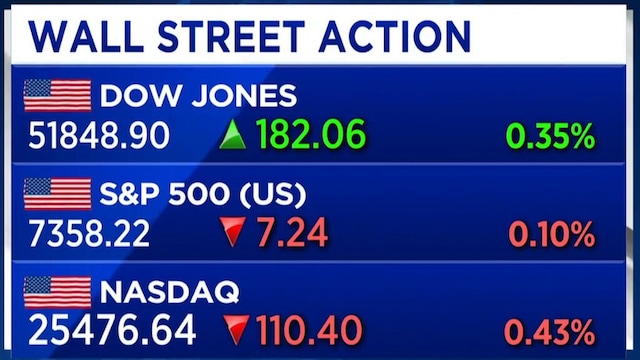
While AI continues to attract significant capital flows and support earnings growth, Chao cautions that it is also one of the biggest risks for markets, as any disappointment in AI-related guidance could trigger sharp volatility.
On India, Chao believes the investment case is improving as crude oil prices retreat, earnings estimates strengthen and corporate margins begin to expand. While Indian equities remain relatively expensive versus other emerging markets, he says valuations have become more attractive after the recent correction and expects Indian stocks to deliver solid performance in the second half of the year, with financials standing out as a preferred sector.
This is an edited transcript of the interview.Q: Do you think investors are now willing to look beyond just the AI trade and seek opportunities in underperforming markets as well, or does the AI trade continue to dominate everything?
A: Yes, I think the AI trade will continue to dominate markets, at least in the short term, over the coming quarters and perhaps into the middle of next year. That is being driven by blowout earnings, which we recently saw from a major American semiconductor company.
But let me also say that AI is perhaps the biggest risk to markets right now. Even if an American semiconductor company were not to upgrade its AI guidance, we could see significant market volatility and headwinds. So, AI is both the market’s biggest risk and also a source of potential upside.
Q: From a foreign investor’s lens, India has been seen as an anti-AI market. It was also viewed as anti-crude, but crude prices have fallen sharply and the entire war premium has disappeared. Do you see foreign interest returning to India?
A: I think so. India got a double whammy from higher energy prices and competition from the AI investment trend.
However, the fundamentals of India’s economy are improving despite some recent headwinds. We are seeing earnings estimates for Indian corporates start to improve, while margins are also likely to expand. The global economy is reflating in the second half of this year, and that is very good news for emerging markets, particularly India.
The only headwind Indian equities continue to face is that they remain relatively expensive compared with other emerging markets.
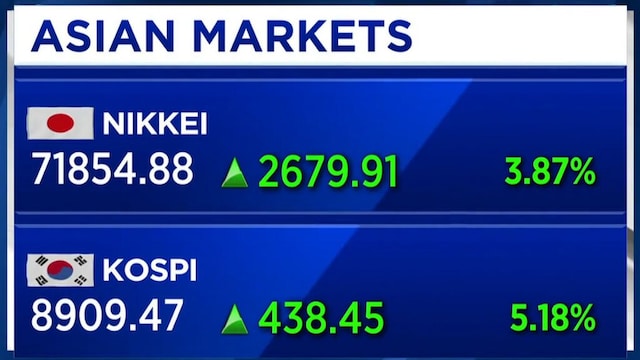
Q: Where does India stand in the pecking order among emerging markets? The Kospi has surged sharply this year, while Indian markets remain below their all-time highs. Given valuations, the AI trade and lower crude prices, how do you rank India within the emerging-market basket?
A: I still think AI will continue to attract significant capital flows, not only into capital markets but also into the planning and construction of data centres.
We have to remember the enormous amount of capital required for these investments. I think there could be a capital crunch in the coming year. One underappreciated investment opportunity could be banking and financial-sector stocks, because demand for capital is likely to increase significantly over the next two years.
Q: What’s your view on the US Federal Reserve? Markets seem to be factoring in, or fearing, a rate hike sooner rather than later.
A: I think those fears are unwarranted. Back in March, it made sense for the Fed to have a hawkish bias given uncertainties surrounding the Strait of Hormuz and higher energy prices. However, recent Federal Open Market Committee (FOMC) comments and the latest meeting suggest the Fed could remain on pause rather than move toward hikes.
I would also point out that the Fed’s dot plot has been wrong in the past. The new Fed governor does not want to provide forward guidance and did not include a projection in the dot plot.
So, I think the market’s interpretation that a rate hike could happen this year is misplaced. The Fed is likely to remain on hold. We are still in restrictive territory, and the US economy is not showing signs of overheating. I believe the Fed will stay on hold, and we could see a rate cut by the end of this year.
Q: From an India perspective, if you had a $100 portfolio today, how much would you allocate to India? And are there any sectors or stocks you particularly like?
A: India has become much more interesting as valuations have reset and the energy crisis has eased.
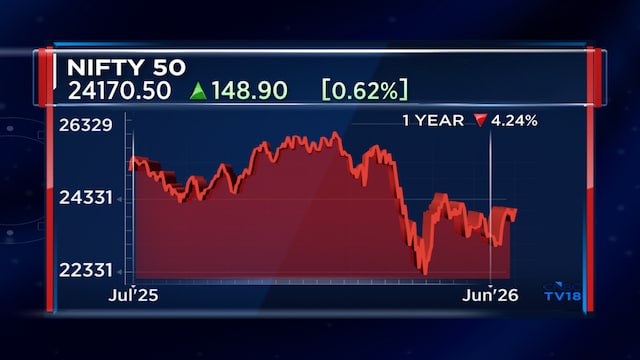
I would be adding to India exposure at this point. I cannot give specific stock recommendations, but I really like the financial sector. There is likely to be significant demand for capital, and we know policy rates in India are likely to remain on hold, if not start rising later next year.
I think this is a favourable environment for banking stocks.
Q: Do you think India will outperform?
A: I think India will perform well. It is difficult to say it will outperform given the dominance of AI-related themes globally. However, I still believe Indian stocks can deliver strong performance in the second half of the year.
Q: If you had to rank the countries and indices under your coverage from now until year-end, how would you rank them?
A: I still think North Asia outperforms because of the AI theme, although it is also one of the riskier regions.
Watch the full conversation here

Semiconductor companies account for a significant weighting in Asian benchmarks. Around 30% of gross domestic product (GDP) growth in Taiwan and Korea this year is expected to be directly linked to semiconductor exports.
That also means there is considerable risk tied to the AI trade. The stronger the dependence on AI and semiconductors, the greater the potential downside if expectations are not met.
Catch all the latest updates from the stock market here