
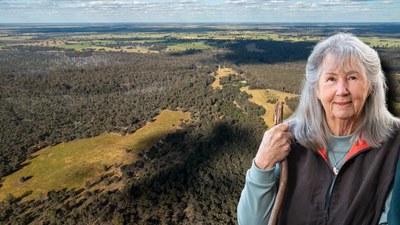
When Susan Downes bought an old farmhouse in York, Western Australia, she had imagined a quiet life in the countryside, with a small garden to look after. Instead, she found herself the owner of a 200-hectare property, including a hill where old native trees had survived more than a century of grazing but much of the vegetation beneath them had disappeared. Nearly two decades later, the 76-year-old retired general practitioner has turned a substantial part of the land into a conservation project. About 120 hectares have been restored, around 45,000 native seedlings have been planted, and 45 plant species have returned naturally from seeds already present in the soil. As reported by The Guardian, Downes is now working to ensure that the work continues long after she is gone.
From a farmhouse to a conservation project
Downes was in her 60s, widowed and with her children grown up, when she began looking for a home in the countryside. The farmhouse in York appealed to her, but the size of the property initially seemed impractical. A second visit changed her mind. At the back of the farm, she discovered Mount Mackie, a 295-metre hill where ancient York gums and wandoos had survived about 150 years of grazing. Much of the understorey had vanished, leaving the old trees as some of the most visible remnants of the original landscape. “I felt a great connection to the land,” Downes told The Guardian.She decided to buy the property and began looking for ways to restore it. Her first step was to obtain a small local grant to control foxes and feral cats. She then secured funding for 24,000 trees over three years, giving her the means to begin planting on a larger scale. Downes had started her professional career as a botanist, but restoring a large property required more than an interest in plants. The work involved managing invasive animals, removing weeds, planting seedlings and organising the practical details of a long-term conservation effort. Today, the restoration covers 120 hectares of her working farm. The return of 45 plant species through the soil’s natural seed bank has also contributed to the recovery of the landscape.
She wants the land protected after her lifetime
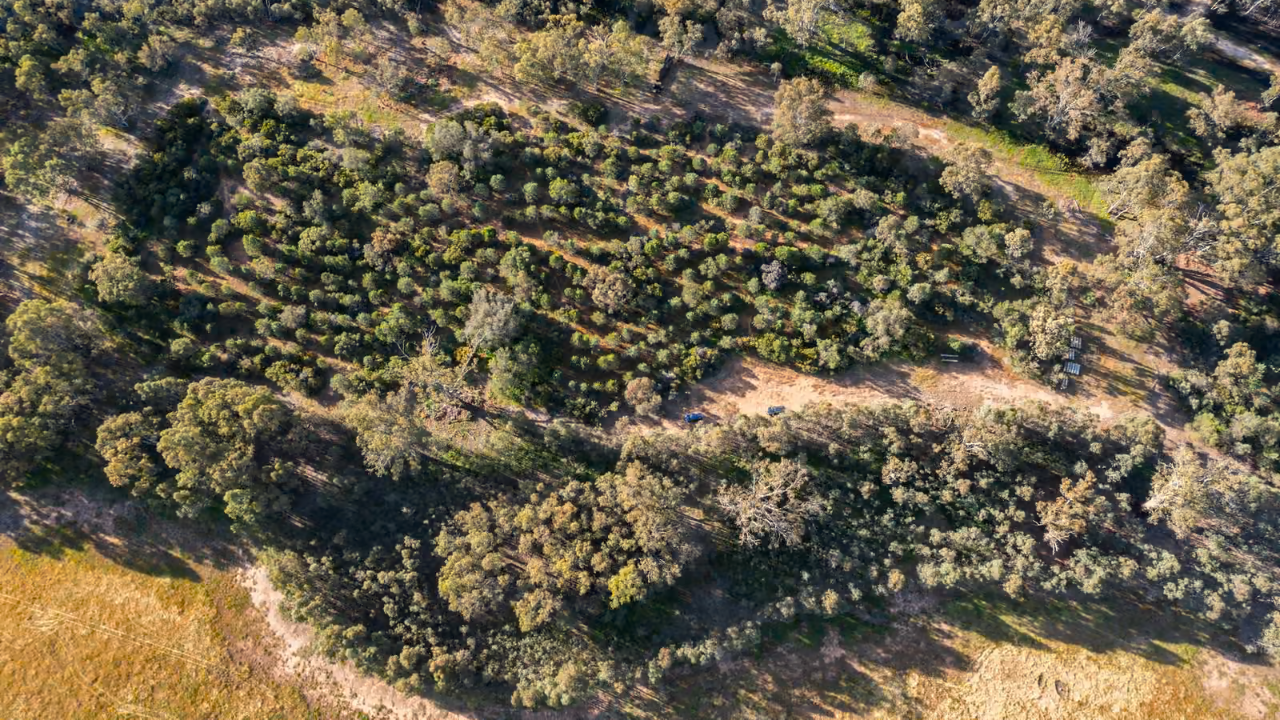
Photo credit: Stuart Walmsley/The Guardian
For Downes, restoring the land is only part of the task. She also wants to ensure that the area cannot be cleared again in the future. She is working to place the restored land under a conservation covenant, a legal arrangement that can protect land from certain forms of development or clearing. The project is supported by Friends of Mt Mackie, a local volunteer group with a core team of about eight people and more than 80 others who take part in organised planting and seed-collection days. Downes has also been thinking about who will look after the property in the future. The deaths and dementia diagnoses of friends have made her more conscious of how uncertain the time available to complete a long-term project can be.She told The Guardian that she wants the arrangements for the land’s future responsibility to be firmly established. Her hope is that her children and grandchildren will be inspired by the work, while the wider community will continue to have access to the place. The project also has a cultural dimension. Ballardong women from York visit Mount Mackie several times a year for cultural healing sessions. Downes is working with Ballardong elders to find an Aboriginal name for the hill. Planning is also under way for a reconciliation event in 2030, marking 200 years since European arrival in the region.
Other retirees are spending their later years restoring nature
Downes is not the only older Australian devoting time to conservation. There are also volunteers and former farmers who have taken on projects ranging from monitoring wildlife to restoring large areas of damaged land, as reported by The Guardian.