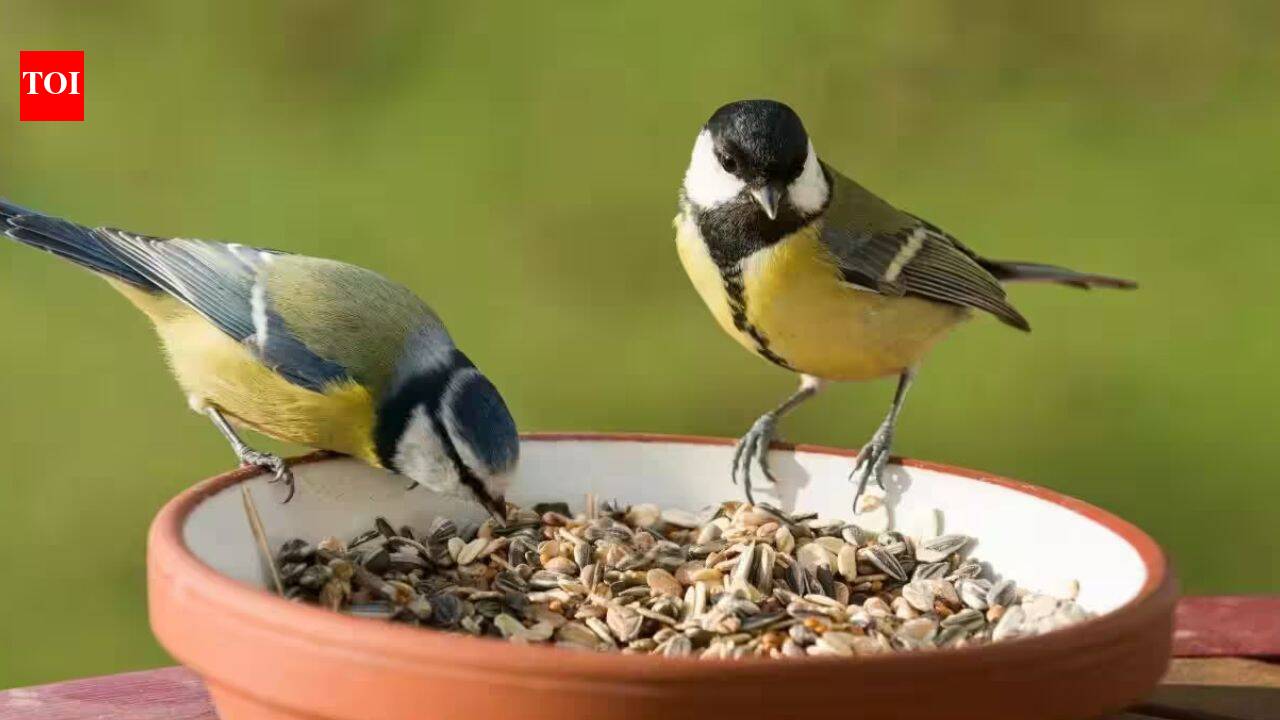
A balcony can become a small but valuable refuge for urban birds. With just a little bit of planning you can bring a few plants, a clean water source and some shelter onto your balcony to provide food and security for visiting birds. However it is not so much about bird food pellets, it is about making your balcony a friendly and safe place for birds to visit, and not bringing any unwanted elements into the equation.
Bird-friendly plants
The first and probably most important factor in creating a bird-friendly balcony is providing some plants. You do not need to fill your balcony with plants, but intersperse some that produce flowers, seeds or small fruits among your ornamental plants. Use native plants if possible, as these are often more familiar to local birds. Select plants according to your balcony’s position and size, make sure there is an adequate water source and provide some form of shelter, such as dense shrubs. Birds will be attracted to areas of your balcony with plenty of foliage.
Provide a shallow bowl of clean water
A shallow bowl or dish of clean water can be a huge draw for birds during summer, especially if they are unable to find any other source of water.Make sure the bowl is placed in an accessible location and that it cannot tip over. Avoid using deep bowls, as smaller birds may struggle to escape if they fall in. Change the water regularly to keep it clean and free of contaminants. If possible, place the bowl in a shaded area rather than in direct sunlight.
Use a birdbath or feeder
You can use a feeder to supplement your balcony’s natural resources, but you should be aware of a few things. Buy an appropriate feeder and fill it with seed or grain that local birds are used to eating. Avoid using salted, seasoned or processed foods, as these can be unhealthy or even poisonous to birds. Wash the feeder regularly and make sure there is no mould or rotting food in it.
Create a safe perch
In addition to food and water, birds also need a place to land and to rest. You can use small pieces of wood or branches to create a perch, or use a natural element such as a thick branch or stalk. If possible, provide different levels of foliage, as different species of birds will use different perches.Make your glass panels bird-friendlyOne of the biggest dangers to birds in urban areas is clear or reflective glass. Glass that reflects the environment can be very disorienting to birds, causing them to fly into windows and doors. On a balcony, large windows or doors may prove a hazard. Make sure to use any available products to make these areas more obvious to birds. Avoid leaving blinds or heavy curtains open, as these can also reflect light in unpredictable ways.If you do have a feeder, make sure it is not mounted too close to a large expanse of glass.
Avoid using pesticides
If you want a garden that is frequented by birds, then you should avoid using pesticides. These can be harmful to insects that birds eat, as well as being poisonous to birds themselves. Try to avoid using any chemicals on your balcony. If insects are a problem, try eliminating them by hand. Having a few crawling insects on your balcony is not a bad thing, they are a food source for many birds.
Avoid keeping your balcony too spiffy
While a well-kept balcony may look nice, it is not always good for urban wildlife. Letting your plants keep their seed heads on, or leave old leaves and flowers on the ground can provide a food source for birds and insects. Remove any rotting or mouldy matter, but there is no need to remove every single leaf or seed head.
Avoid having pets or other hazards
If you have a pet cat, make sure that it cannot access any birds. Even if your balcony seems secure, a bird may still fall or fly onto your balcony and be in danger. Also avoid having any loose strings, cords or plastic bags on your balcony, as these can entangle birds.Also read:Inside the $8.5 million Astolat Dollhouse Castle in New York: The 9-foot miniature home, which is the most valuable real estate in the worldWhy do glass doors keep getting cloudy? 5 simple cleaning tips to keep them clear and spotless
Putting it all together
You do not need to spend a lot of time or money in order to make your balcony more bird-friendly. Simply buy a couple of plants that are suitable for your balcony (and will not outgrow their pots), provide a shallow clean water source and some shelter. Buy a feeder and fill it with suitable bird food, and install some sort of visual cue around any reflective or clear glass surfaces.Most importantly, keep your balcony clean, provide fresh water and bird-friendly plants, and avoid any hazards to birds. With only a little bit of work, your balcony can become a little ecosystem in the middle of a city, with birds coming to drink, bathe, eat and hide.