In 2018, Madagascar began rebuilding a giant tortoise population with just 12 founders; their offspring showed increased genetic diversity |

In 2018, Madagascar began rebuilding a giant tortoise population with just 12 founders; their offspring showed increased genetic diversity |

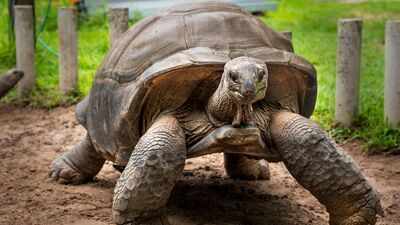
Aldabra giant tortoise (Aldabrachelys gigantea) at Alibel Tortoise Park, Mahe, Seychelles (2025). Image Credit: Wikimedia Commons Madagascar began rebuilding a giant tortoise population in 2018 with only 12 founder animals at the Anjajavy Reserve in the north-west of the country. The small group faced an important challenge because a population started from so few animals…

Read More
A snake found in Ethiopia’s Harenna Forest looked like a known species, but seven years of research revealed it was new to science |

A snake found in Ethiopia’s Harenna Forest looked like a known species, but seven years of research revealed it was new to science |

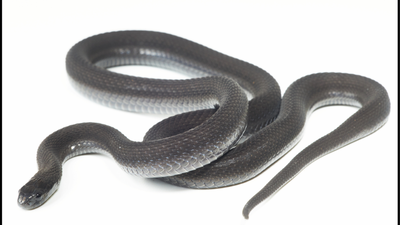
Deep in Ethiopia’s Harenna Forest, a snake that initially appeared familiar has turned out to represent a species new to science. The discovery began with a juvenile female collected from the forest and kept for observation as she grew. The appearance gradually raised questions about whether she belonged to a known egg-eating snake. What followed…

Read More
In the 1990s, a cattle drug wiped out millions of vultures. Years later, their disappearance was linked to 500,000 human deaths |

In the 1990s, a cattle drug wiped out millions of vultures. Years later, their disappearance was linked to 500,000 human deaths |

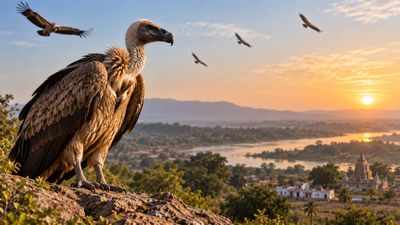
For generations, vultures were part of the everyday landscape across India. They gathered around cattle carcasses, circled above rubbish dumps and cleared away animal remains before they had time to linger. Then, in the 1990s, their numbers began to collapse at an extraordinary rate. A veterinary painkiller called diclofenac was eventually identified as a major…

Read More
Something hit the Moon in 2024 and nobody saw it happen; NASA has now found the 728-foot crater, the biggest recent impact crater known in the Solar System

Something hit the Moon in 2024 and nobody saw it happen; NASA has now found the 728-foot crater, the biggest recent impact crater known in the Solar System

The Moon is covered with impact marks from ancient collisions, including some of the largest craters in the Solar System. One enormous lunar basin stretches more than 1,500 miles (2,400 kilometers) across. The Moon has been taking hits for billions of years, but one of its newest scars managed to escape notice entirely. An asteroid…

Read More
University of Florida researchers are using high-tech decoy rabbits that mimic prey signals to lure Burmese pythons out of Everglades hiding spots |

University of Florida researchers are using high-tech decoy rabbits that mimic prey signals to lure Burmese pythons out of Everglades hiding spots |

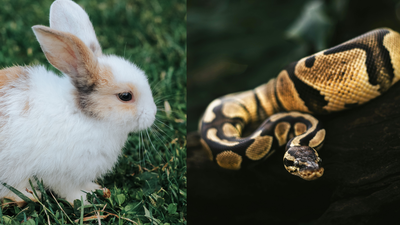
Researchers at the University of Florida are deploying high-tech rabbit decoys across the Everglades, designed to mimic the signals Burmese pythons associate with prey. The fake rabbits can produce movement, scent, vibrations, and heat, all cues that pythons use while hunting for food. The goal is simple, lure the invasive snakes out of hiding so…

Read More
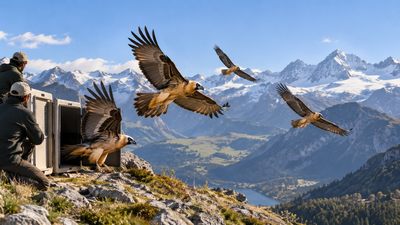
In 1986, scientists released captive-bred bearded vultures into the Alps; 35 years later, 344 birds lived there, most wild-born |

In 1986, scientists released captive-bred bearded vultures into the Alps; 35 years later, 344 birds lived there, most wild-born |

In 1986, captive-bred bearded vultures began returning to the Alps after the species had disappeared from the mountain range decades earlier. The reintroduction programme released young birds at sites across the region, with the first successful wild breeding recorded in 1997. By 2021, researchers estimated that 344 bearded vultures were living in the Alps, including…

Read More
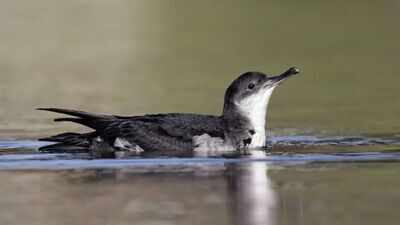
In 2013, St Agnes and Gugh began removing invasive rats brought by 18th-century shipwrecks; 12 years later, Manx shearwater breeding sites rose from 22 to a record 225

In 2013, St Agnes and Gugh began removing invasive rats brought by 18th-century shipwrecks; 12 years later, Manx shearwater breeding sites rose from 22 to a record 225

In the latest 2025 monitoring data, St Agnes and Gugh recorded 225 apparently occupied breeding sites (AOBs) for Manx shearwaters In 2013, a major conservation effort began on St Agnes and Gugh in the Isles of Scilly to remove brown rats that had been harming nesting seabirds. According to the Isles of Scilly Wildlife Trust,…

Read More
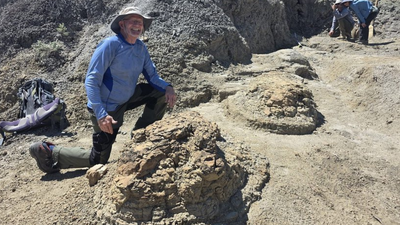
High school teacher searching for fossils discovers four footprints later confirmed as the first reported T. rex trackway dating back 66.5 million years |

High school teacher searching for fossils discovers four footprints later confirmed as the first reported T. rex trackway dating back 66.5 million years |

Image: ABC News/ Kent Hups A high school science teacher exploring a fossil-rich region of North Dakota made a discovery that could change what scientists know about how adult Tyrannosaurus rex moved. In 2025, Kent Hups spotted unusual impressions while volunteering on a fossil dig in the Hell Creek Formation. What initially appeared to be…

Read More
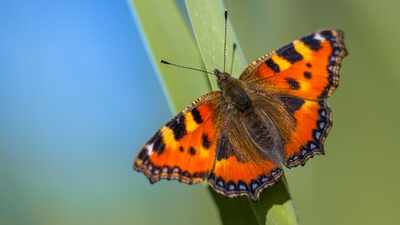
Britain sees second-best butterfly season in 16 years; people counted almost 1.4 million common butterflies and moths; painted ladies jumped by 335%, but scientists are worried

Britain sees second-best butterfly season in 16 years; people counted almost 1.4 million common butterflies and moths; painted ladies jumped by 335%, but scientists are worried

The record heat of 2026 made this summer exceptional for butterfly-watching. More than 100,000 volunteers fanned across Britain with notebooks this summer, tallying nearly 1.4 million common butterflies and day-flying moths. This was the second-best butterfly season of the past 16 years, according to the Big Butterfly Count. Painted ladies surged by 335% compared with…

Read More