A barbell strategy means holding a mix of defensive and growth-oriented investments to balance risk in uncertain markets.
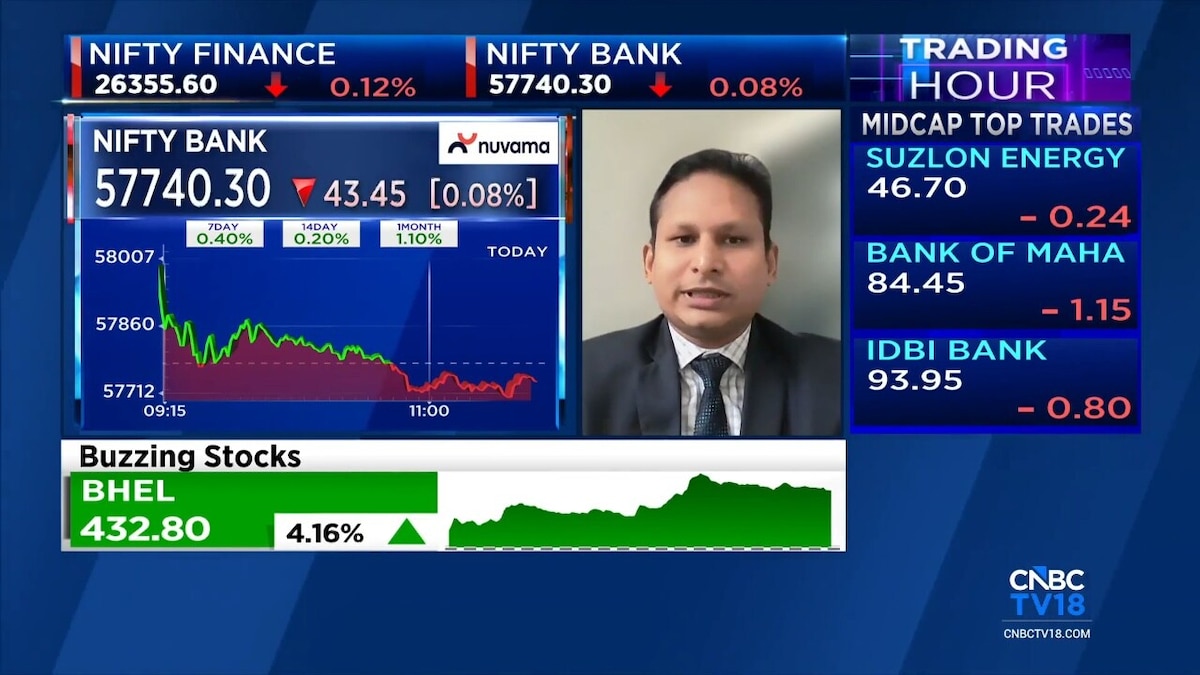
“We come back to a more equivocal market, not as bad as March-April, but at the same point of time not as good as what we were envisaging July to be,” Vikash Kumar Jain, India Strategist & Head of India Research at CLSA, said in an interview with CNBC-TV18.
He added that the biggest challenge is the uncertainty around how and when the conflict could end, noting that “uncertainty typically isn’t really good for the market.”
CLSA had turned constructive on India at the start of April and was optimistic as recently as earlier this week, helped by falling commodity prices, lower bond yields and expectations of additional liquidity. However, the latest developments have made the brokerage pause before increasing risk in portfolios.
Instead of reducing exposure to commodities, CLSA now believes investors should keep them as a hedge. Jain said global commodity stocks, especially upstream oil companies and non-ferrous metal producers, continue to offer attractive value because many have corrected far more than the underlying commodity prices would justify.
“I believe commodities… are potential hedges that one should definitely not let go of in their portfolio in the current environment,” he said.
Among commodities, aluminium remains one of CLSA’s preferred themes. According to Jain, both aluminium and oil prices are already close to what the brokerage considers their downside scenario, limiting the risk even if geopolitical tensions cool.
Beyond commodity prices, Jain said the key indicator to watch is shipping traffic through the Strait of Hormuz. A return to pre-war traffic levels would signal that supply chains are normalising, while prolonged disruption could tighten supplies as inventories in developed markets continue to shrink.
On the equity side, CLSA continues to favour sectors that would benefit if the geopolitical situation stabilises. Financials remain one of its biggest bets, with Jain expecting private banks and non-banking financial companies (NBFCs) to benefit if the Reserve Bank of India (RBI) keeps interest rates lower for longer while bond yields ease.
Consumer discretionary stocks, including autos, retail, quick commerce and selected fast-moving consumer goods (FMCG) companies, also remain attractive if commodity prices stay under control and the conflict does not intensify.
Watch the full conversation here

The brokerage is also positive on defence, citing sustained demand and rising geopolitical tensions globally. Power utilities, meanwhile, are viewed as relatively defensive holdings that tend to perform well during periods of market uncertainty.
Summing up his approach, Jain said investors should prepare portfolios for multiple outcomes rather than betting on a single scenario.
“All that I’m saying is that in both of those scenarios, some of these commodity names appear to be all right… and on the other scenario, where things are more manageable… financials and consumer discretionary remain our big bets.”
Catch all the latest updates from the stock market here