

For most passengers, the diesel-versus-electric train debate begins and ends with a few questions: Does the train arrive on time? Is the journey comfortable? Can one hear a podcast episode, take a work call or look out of the window without inhaling fumes at the station?But, the technology powering a train shapes much more than its speed. It affects the air passengers breathe, the noise they live with, the cost of commuting and the kind of transport system cities can build. The question is no longer simply whether electric trains are cleaner than diesel trains. It is whether the long-term gains of electrification justify its considerable upfront cost.
Flexibility
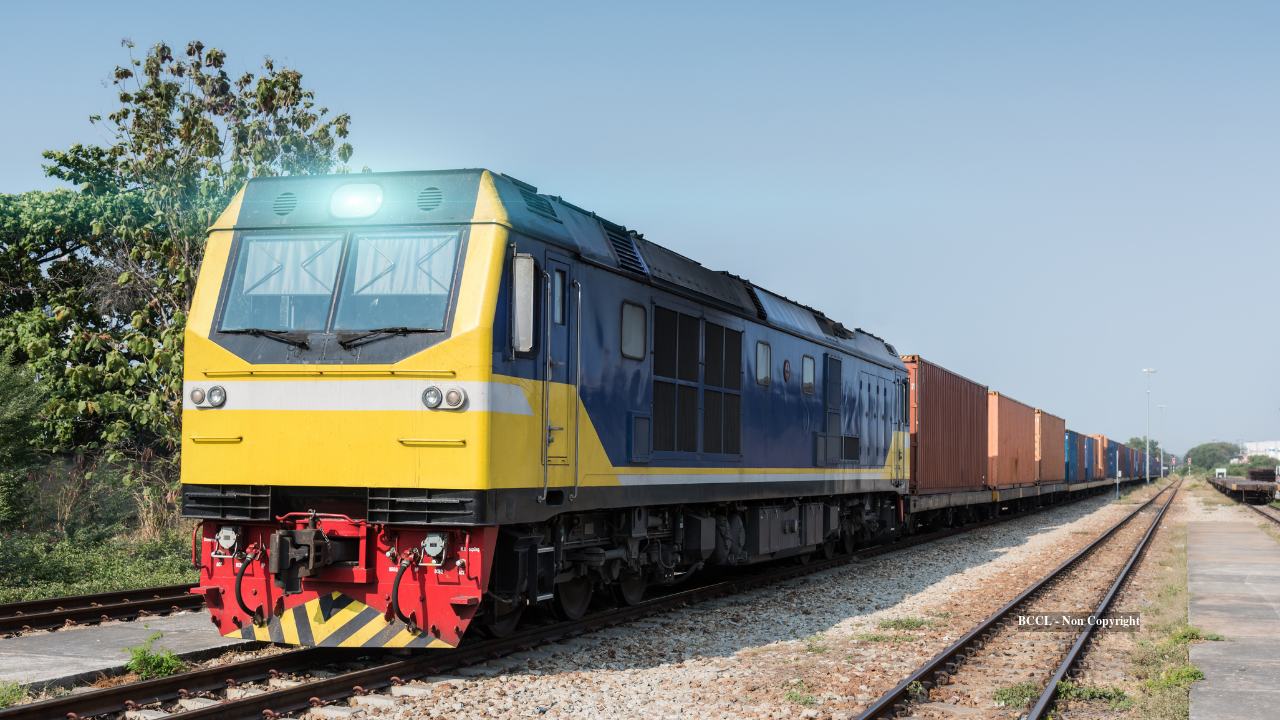
A diesel train offers more flexibility.
Diesel trains retain one obvious advantage: flexibility. They do not need overhead wires or an electrified track, which makes them useful on routes with limited traffic, difficult terrain or incomplete infrastructure. A diesel train can be deployed across different corridors without waiting for an expensive grid upgrade. For railways operating across vast distances, this adaptability remains valuable.That flexibility, however, comes with an efficiency penalty. A diesel locomotive first burns fuel to generate electricity, which then powers its traction motors. Only around 30–35% of the energy generated by combustion reaches the wheels. On the other hand, an electric train drawing power directly from overhead lines can transfer approximately 95% of that energy to the wheels, according to an analysis cited by the Environmental and Energy Study Institute.The difference is felt by passengers, even if they never see the machinery. Electric trains generally accelerate faster, making journeys with frequent stops more efficient.
Pollution
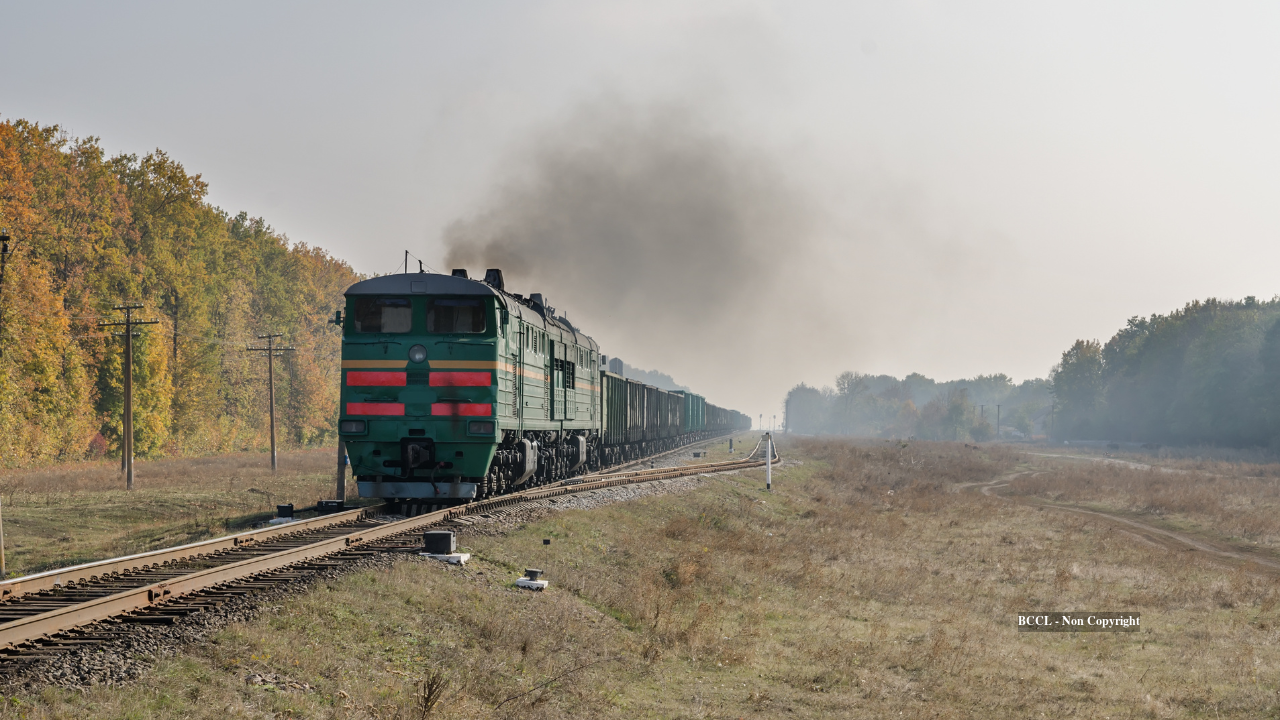
Railway lines can release harmful pollutants passing through dense neighbourhoods.
Noise pollution is not a trivial problem: railway lines often pass through dense neighbourhoods, where the sound of engines, idling and acceleration becomes part of everyday life. Electric trains are not silent, the wheels still meet the rails, but they eliminate the rumble and vibration of a combustion engine. At stations, the difference is especially noticeable: electric trains have no direct exhaust emissions while standing beside passengers, vendors and workers.The health argument is stronger still. Diesel exhaust contains particulate matter, nitrogen oxides and other pollutants associated with respiratory and cardiovascular harm. A University of California, Berkeley study found that electrification reduced Caltrain passengers’ exposure to carcinogenic black carbon by 89%. The railway estimates that the transition will reduce annual carbon emissions by roughly 250,000 metric tonnes.Yet electric does not automatically mean clean. Its environmental benefits depend on how the electricity is generated. A train powered by a coal-heavy grid will have a larger indirect carbon footprint than one drawing from renewable energy. This is why electrification should be viewed as part of a wider transition, not as a substitute for cleaner power generation.
Heavy costs
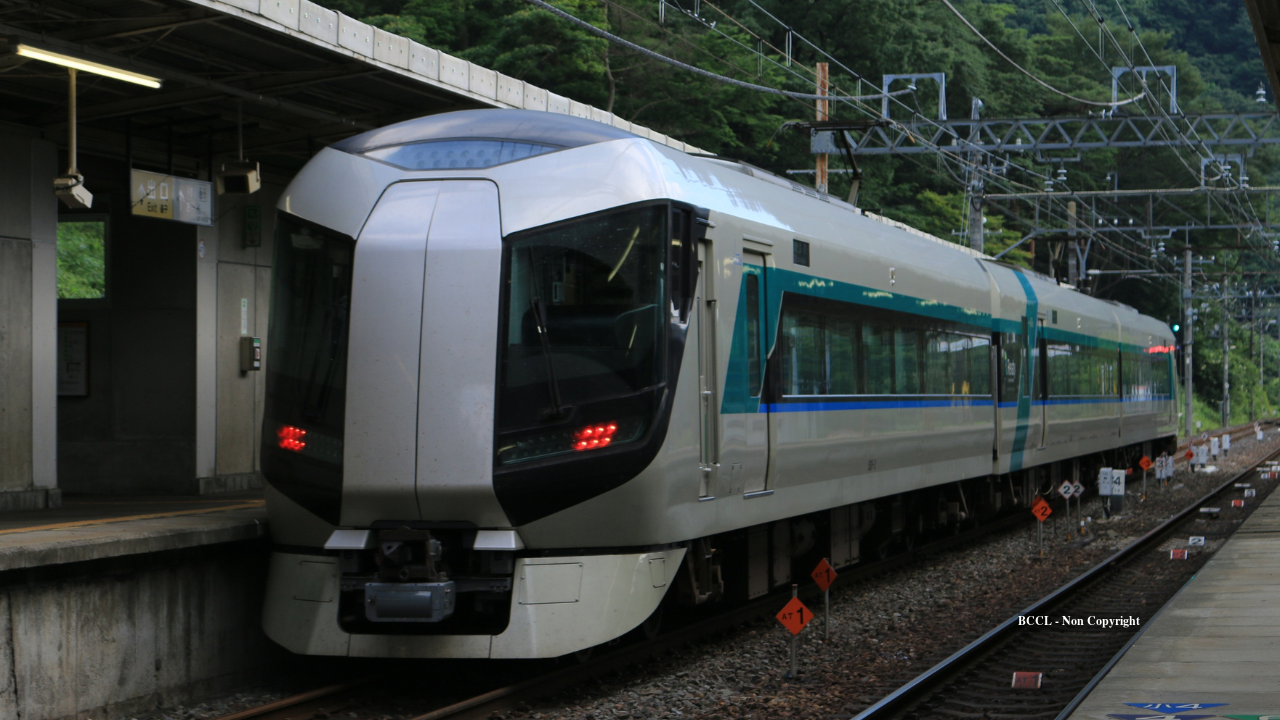
Electric train is cheaper in the long run.
The biggest barrier is cost. Electrification requires substations, overhead equipment, signalling upgrades and long periods of construction. Diesel trains may be cheaper to introduce, particularly on lightly used routes. But the initial saving can obscure lifetime expenses. Electric locomotives typically have lower energy and maintenance costs because they have fewer moving parts. The EESI notes that electric traction can be substantially cheaper to operate than diesel, while maintenance costs may be 25–35% lower.So, which train is better? The answer depends on the route, but not indefinitely. Diesel remains a practical bridge where traffic is low and infrastructure is weak. On busy, urban and intercity corridors, however, electrification offers a better bargain for passengers and communities: quicker journeys, cleaner stations, lower noise and greater energy efficiency.A train is not merely a vehicle between two destinations. It is part of the daily environment people inhabit. If public transport is expected to be comfortable, healthy and climate-conscious, electric rail is less a luxury than an investment in the quality of ordinary life.