
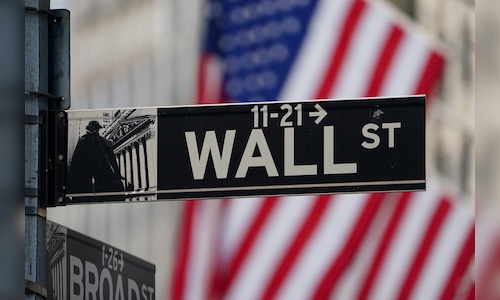
The Dow Jones Industrial Average fell more than 250 points, or about 0.5%, in early trading. The S&P 500 and Nasdaq Composite also slipped around 0.5% and 0.6%, respectively, as risk sentiment weakened across Wall Street.
Market jitters intensified after President Donald Trump said Iran had “taken too long to negotiate a deal” and warned that the country would “pay the price.”
The comments followed overnight military exchanges between the two countries, including US strikes on Iranian targets after the reported downing of a US Army Apache helicopter near the Strait of Hormuz.
Oil prices moved higher on the developments, with West Texas Intermediate crude futures rising more than 1% to around $89 a barrel.
Technology stocks, particularly semiconductor names, remained under pressure. Shares of Micron Technology, Advanced Micro Devices and Broadcom declined in early trade, extending recent losses in the sector. The iShares Semiconductor ETF also fell about 1%, adding to a sharp pullback that has weighed on AI-linked stocks in recent sessions.
Investors were also assessing the latest inflation data from the US Bureau of Labor Statistics. The Consumer Price Index rose 4.2% from a year earlier in May, marking the highest inflation rate since early 2023. However, core inflation, which excludes food and energy prices, increased 0.2% from the previous month, slightly below economists’ expectations, offering some relief amid concerns about persistent price pressures.
The inflation report comes ahead of next week’s Federal Reserve policy meeting, where officials are widely expected to keep interest rates unchanged while monitoring the impact of higher energy costs and geopolitical risks on the broader economy.