In an exclusive conversation with Bombay Sport Exchange, de Villiers shares his candid views on why Test cricket faces its biggest challenge yet, the immense expectations surrounding teenage prodigy Vaibhav Sooryavanshi, his emotional retirement from international cricket, and the conversation with Virat Kohli that followed. He also opens up about the pressure behind the iconic ‘ABD’ chants, the influence of the IPL, and why he believes cricket’s administrators – not its youngsters – hold the key to protecting the game’s longest format.Excerpts: AB, welcome to Bombay Sport Exchange. You’ve had a packed schedule in India with commentary and several other commitments. Thank you for taking the time to speak with us.It’s been a busy time, but a very enjoyable one. It’s good to be here. Thank you.Are you enjoying your time in Mumbai?Yes, it’s humid and very warm, but it’s still a special time. Any opportunity to come to India teaches us something different and new.This time around we’ve travelled quite a lot and moved across different parts of India. But to finish things off in Mumbai is fitting. It’s a lively city with lots of atmosphere and energy before I head back home.More exciting than Bengaluru?No, just different. Bengaluru is closest to my heart and will always remain that way. It’s the city that changed my life, so it will always have a special place in my heart.There is a very interesting quote from Novak Djokovic about what separates the very good from perhaps the greatest. He said the biggest difference is mental resilience – the mindset you bring to whatever you do. How much of what you achieved came from your mental approach rather than just talent?The mental approach is something you work on throughout your life. I think Djokovic mentions that as well in that interview. It’s not something you’re born with.It depends on how far you’re willing to go and how often you’re prepared to stand up again after going through tough times. If you consistently come back stronger, you naturally become mentally stronger.I think that played a huge role throughout my career.Can you learn that, or does it have to come naturally?You learn it through experiences.If you’re open to learning, you always have a choice. You can either give up and do something else, or you can learn from the experience, become mentally stronger, and be better the next time around.Can you give me an example from your own career – a phase where you realised mental strength was perhaps everything?
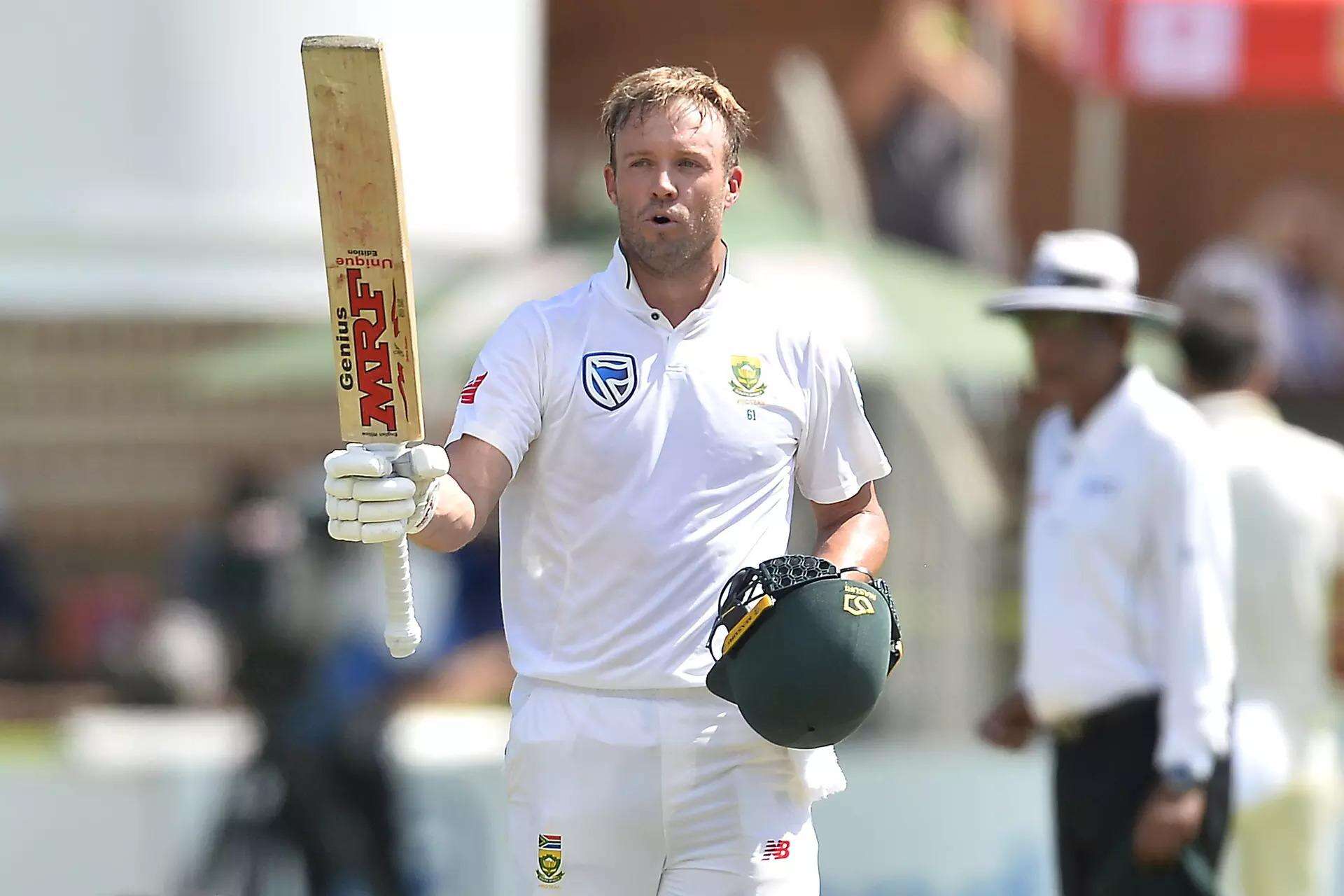
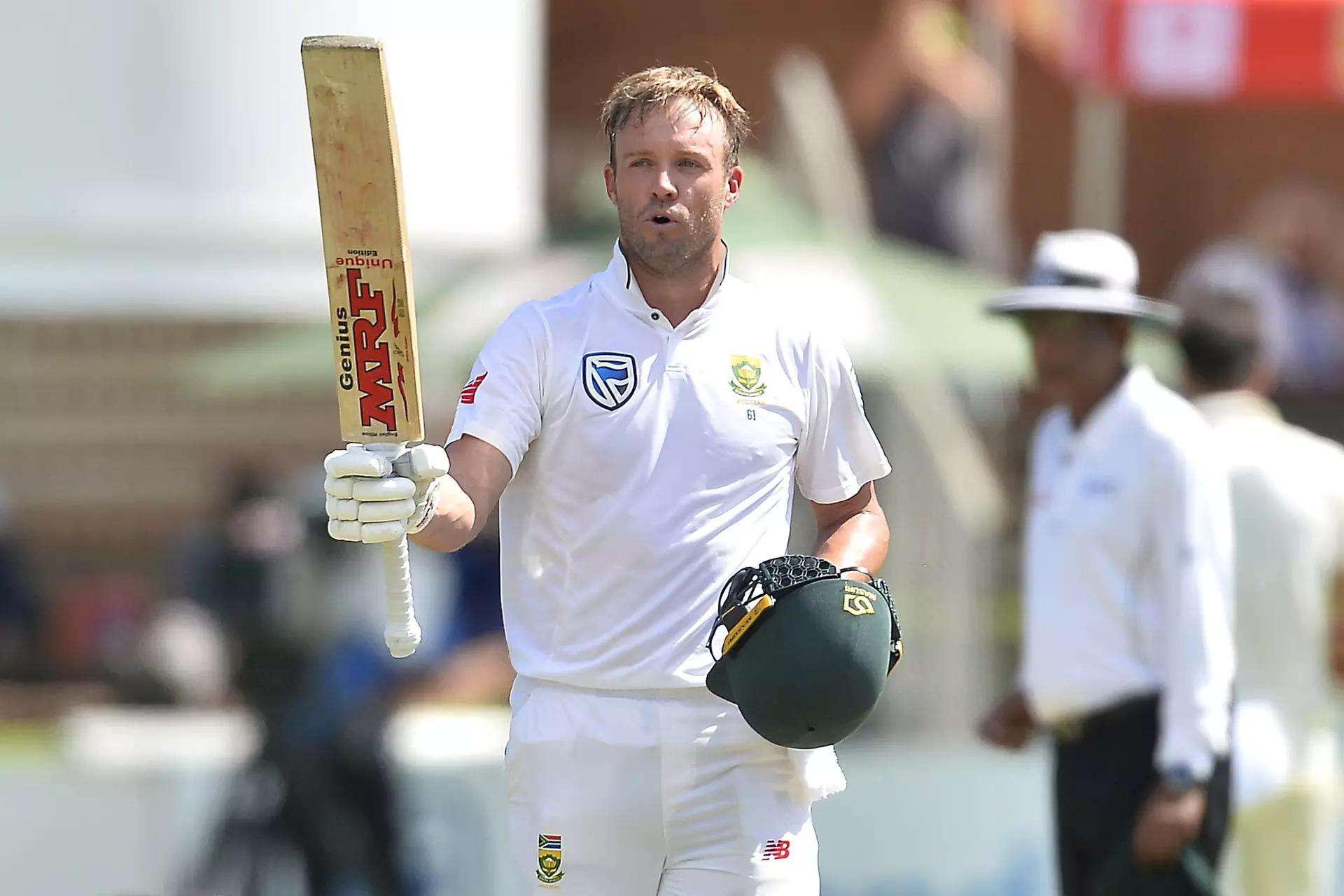
AB de Villiers in Test cricket (AFP Photo)
My entire career was a journey of character growth. There were good experiences and bad experiences, and eventually I learned how to deal with both. That’s not only critical in cricket but in life as well. It applies to everyday life. There were many moments – many, many moments. The first significant one probably came in international cricket during 2006 and 2007, when I struggled a bit. But right until the very last day I played cricket, there were always ups and downs.When you started your career, T20 cricket hadn’t fully established itself. One-Day Internationals were at their peak, and South Africa were one of the strongest Test-playing nations. Did you ever set a benchmark for yourself? Did you think, “I want to play 100 Test matches,” or was your North Star simply to enjoy the game for as long as possible?The short answer is no.To elaborate a little, when you’re 18, 19 or 20 years old, those things aren’t really part of your thinking. You take it one day at a time.I don’t think youngsters at that age think about milestones like playing 100 Test matches. If you ask a bunch of 19-year-olds whether they’ll play 100 international matches, it’s impossible to answer because that’s not where their minds should be.You should focus on the present and try to become a better player every single day through good and bad experiences.That was my mindset. I was simply grateful for the opportunity to play cricket and wanted to become as good as I possibly could.Albie Morkel once said, “Nobody will remember me if I play 200 T20 Internationals. But if I end up playing 50 or 70 Test matches, people will know what I brought to the game.” Today, looking back, what carries more weight for you? The fact that you’re one of only eight South Africans to play over 100 Tests, and one of only two South Africans to play more than 100 Tests while averaging over 50 alongside Jacques Kallis?Well, Albie was wrong because you remember him – and everyone else remembers him – even though he only played two Test matches.I think he’s remembered more for the IPL and for some of the incredible sixes he hit.Playing Test cricket is a lot more personal. There’s a traditional pride attached to it because that’s what we grew up watching.Times have changed, though. It’s not the same anymore.Those of us who love Test cricket hope it continues to receive the love and respect it deserves because it is under threat.But I think people remember you more for the way you played the game than for the format you played or the statistics you accumulated.When I think of Albie Morkel, I think of a left-hander who could hit the ball a mile and was an all-rounder capable of winning games with both bat and ball.When I think about myself, I think of someone who had a passion for the game, loved turning matches upside down, and hopefully entertained people while always wearing a smile.
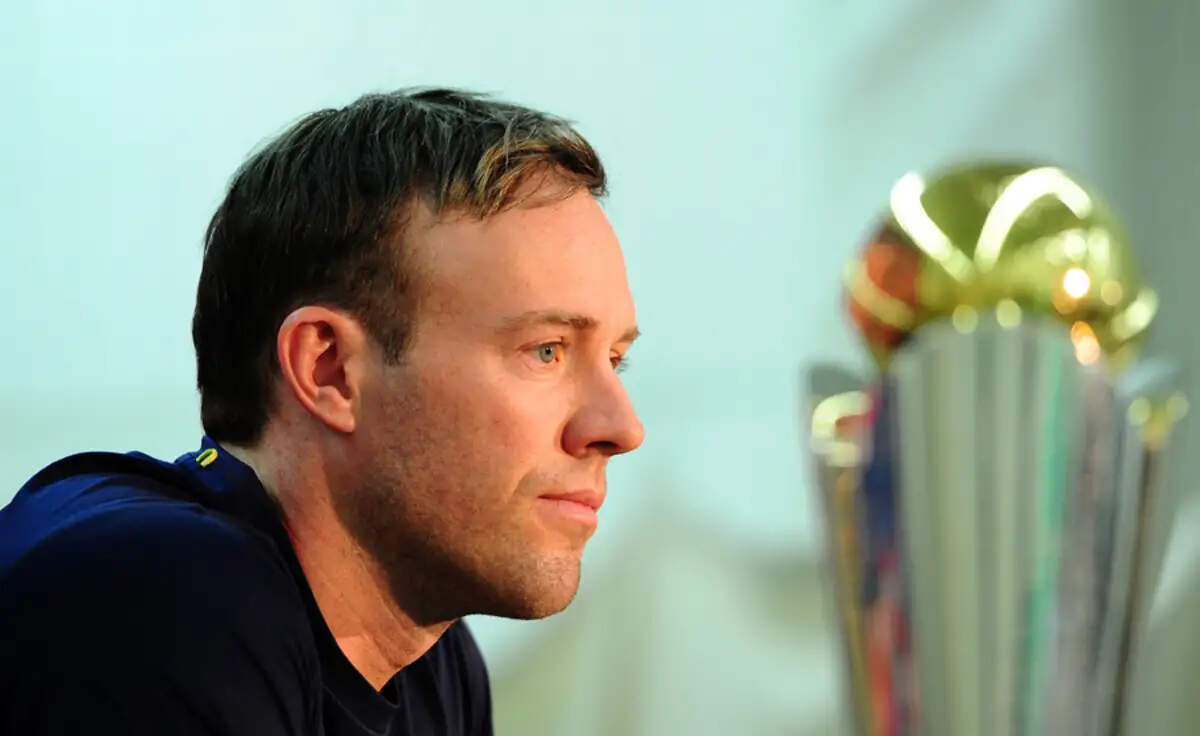
AB de Villiers (Photo by ICC)
I don’t think people remember me because I played over 100 Test matches or a certain number of ODIs or T20s.Every player is different. Some enjoy one format more than another.For me, Test cricket is my favourite format, and I sincerely hope it survives for many years to come because it is under threat.What do you mean by “Test cricket is under threat”? There’s always this discussion that Test cricket is in danger. Do you genuinely believe that?Of course.Does Test cricket not have a future, or does it simply not have the future that people expect it to have? Because people will always continue to play the game.Here’s the problem.The kids growing up today – what do they see? Do they see Test cricket, or do they see the IPL?They see the IPL.You’ll only see the impact 20 years from now. I’m not talking about today’s Test cricket.You say people will continue playing Test cricket. The real question is whether today’s five-year-old will want to play Test cricket 15 years from now.My answer is no – with an exclamation mark.Because of the hype around T20 cricket, the IPL and franchise leagues around the world, young players see the money, the attention and the followers that come with that format.If Test cricket cannot replicate even some of that excitement, then it will eventually be in trouble.You won’t notice it immediately. You’ll notice it 15 or 20 years down the line.So that’s the biggest danger you see. Do you also see a solution?Yes.The game has to be marketed properly.In my opinion, it has to reach a level comparable to the IPL. Otherwise, why would a youngster dream of becoming a Test cricketer?I’m not saying a five-year-old is thinking about money. But what they see every day is the shortest format of the game. Nothing else receives that level of hype.So create that excitement around Test cricket. Pay the players properly so that they can create that excitement around the format.The quality of Test cricket isn’t the problem. The cricket itself has been unbelievable. It’s aggressive, entertaining and has evolved into a fantastic spectacle. From a quality perspective, it’s probably in a better place than ever before.But that’s not the issue. The issue is everything around it: the administration, the marketing, the decision-making.Those in charge need to figure out how to create excitement around Test cricket and pay players well enough so they can say, “Yes, there’s a T20 league over there, but I want to play Test cricket for my country.”That desire is slowly fading away.I still remember the third Test between India and South Africa in Johannesburg in 2018. India were trying to stay alive in the series, the pitch was cracking, there was drama over whether it was fit to continue, and it’s still one of my favourite Test matches. When I think about India versus South Africa, India versus Australia or India versus England, I don’t worry much because those rivalries will always have an audience. But what happens when we’re talking about Sri Lanka versus West Indies, or Pakistan versus Zimbabwe? Isn’t that where the real challenge lies when we’re talking about saving Test cricket?I think that’s exactly where the real battle lies.We can speculate about solutions for days. There are probably a hundred different formulas that could work.Luckily, it’s not my job.I’ve always felt that the World Test Championship should be much longer, where every team plays every other team both home and away.The prize money should be enormous. That way, a team like the West Indies would feel inspired because there’s genuinely something significant to play for.
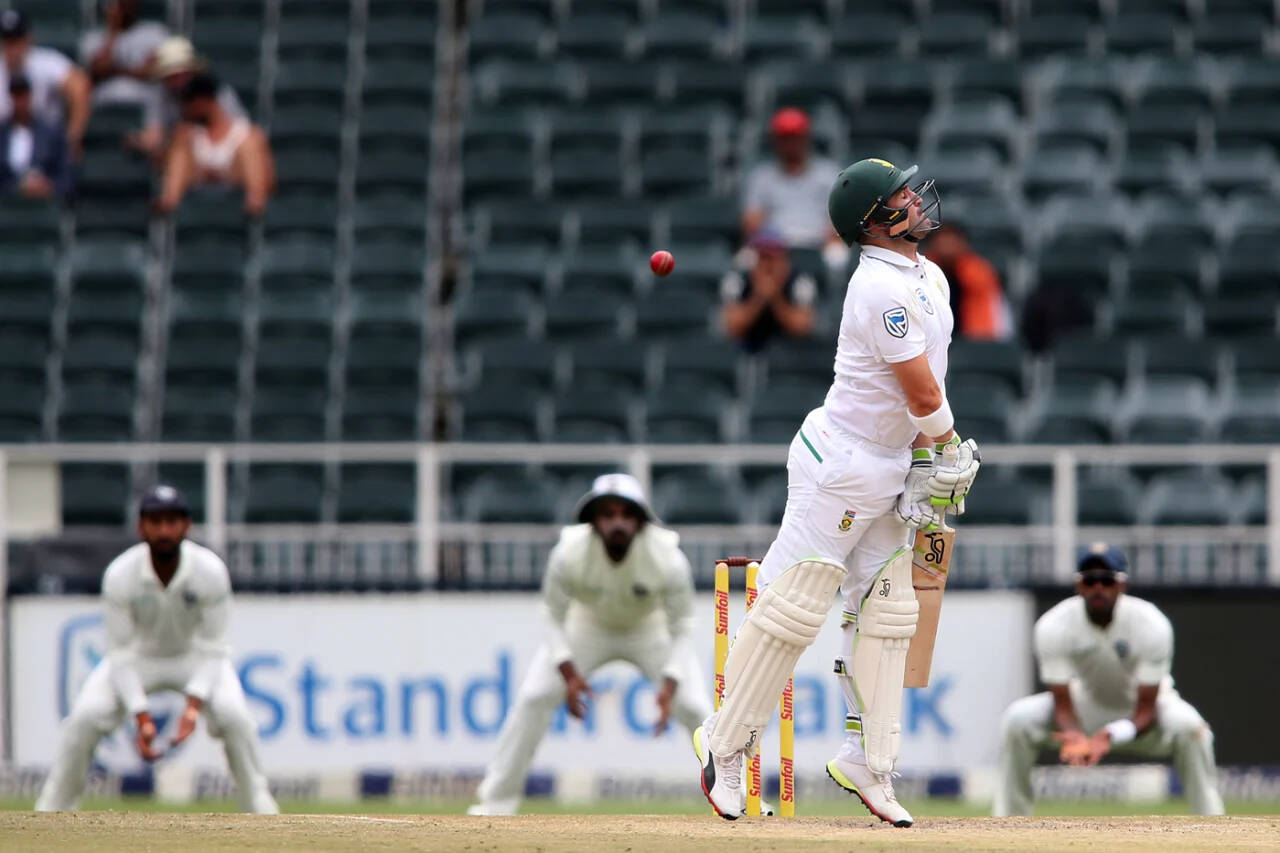
India vs South Africa in 2018 at Johannesburg (BCCI Photo)
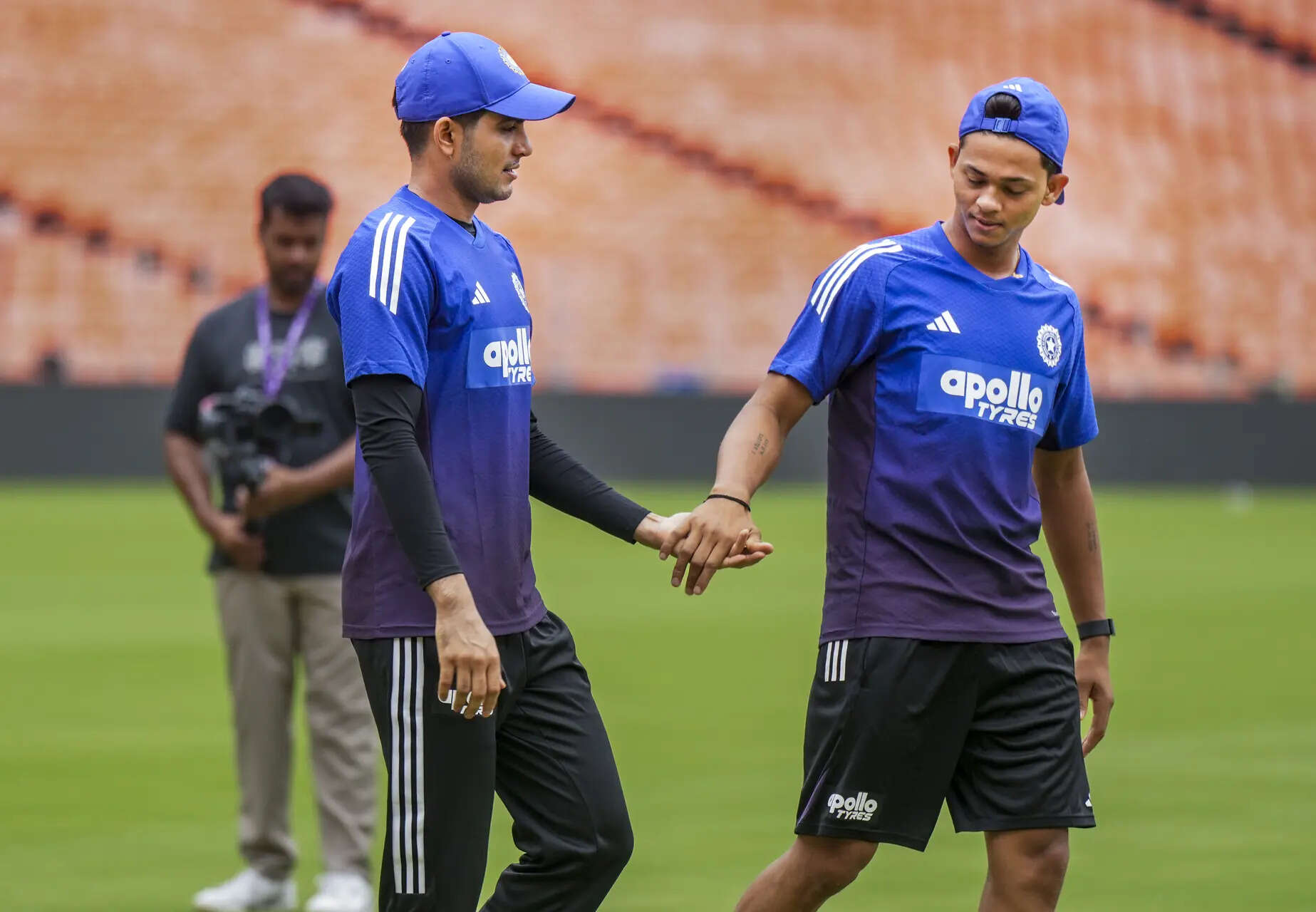
Perhaps reward not just the winners but even the top three teams.Create a story that unfolds over five, six or even eight years.There will be upsets. Zimbabwe could beat a major nation at home on a difficult wicket, and that would become part of the bigger story.I think that’s one possible solution.Of course, there are probably twenty different reasons why my idea wouldn’t work.Ultimately, it’s up to the administrators and decision-makers to find the right formula that keeps Test cricket healthy and ensures that today’s youngsters still dream of representing their countries in Test cricket – not just playing in the IPL or franchise leagues.There’s room for all formats. It’s about finding the right balance.T20 cricket has created a financial upside that encourages youngsters to pursue the sport professionally. Do you think a similar financial incentive in Test cricket could encourage youngsters to choose that format as well?Yes. That wasn’t the case when I was growing up. A youngster’s mindset shouldn’t revolve around money anyway.Money creates hype. It creates fandom, fame and celebrity status. That’s generally what youngsters dream about.When I was young, I dreamed of playing in front of big crowds because there was excitement around it.If nobody is watching Test cricket, then where is the excitement?If there’s no buzz around it, no ultimate trophy that’s fiercely contested and celebrated, then why should youngsters dream about becoming Test cricketers?When I was growing up, my dream was simply to play for my country in front of packed crowds. It had nothing to do with money.The reason money becomes important now is because it attracts attention towards an event. At the moment, that’s the IPL and perhaps the World Cups.In fact, maybe not even the ODI World Cup anymore. I’m afraid to say a lot of people don’t watch ODIs the way they used to.Even during a World Cup, there are games people skip because the tournament can feel stretched out and the excitement isn’t always there. The semi-finals and finals are different.With the IPL, though, people watch almost every game. My kids watch every season because there’s genuine excitement around it.But even T20 cricket is now stretching close to four hours. Attention spans are shrinking rapidly. Even regular cricket fans don’t always sit through an entire match anymore: they consume highlights and key moments instead. Are we heading towards a future where even T20 cricket gives way to T10 because people only have one or two hours to spare?It’s a tricky situation.It’s difficult to put your finger on the perfect balance.As I said earlier, I’m quite happy I’m not the person who has to make those decisions.But there certainly needs to be careful thought about what the right path forward is—what balance is needed for Test cricket to survive, remain healthy and continue producing high-quality cricket.We’ve been talking about youngsters and the way they approach the game. Today, when I look at someone like Vaibhav Sooryavanshi at just 15 years of age, he’s everywhere. What do you make of this kind of stardom at just 15? Cricket is one thing, but life is another. At some point he will face setbacks. How should one look at this kind of stardom at such a young age? Is it good or bad?I honestly have no idea. I wasn’t in that position when I was 15.That’s the beauty of life – everyone’s journey is different. It’s not for me to explain what emotions he’s experiencing.He will go through difficult patches. His character will be tested. Then it will be up to him to show whether he has the character and mental strength to come through those phases.There are plenty of alarm bells and pitfalls that he could encounter.At 15, you should still be relatively immature, and he probably is. We’ll have to wait and see what happens. I hope he has good leadership, guidance and mentorship around him.
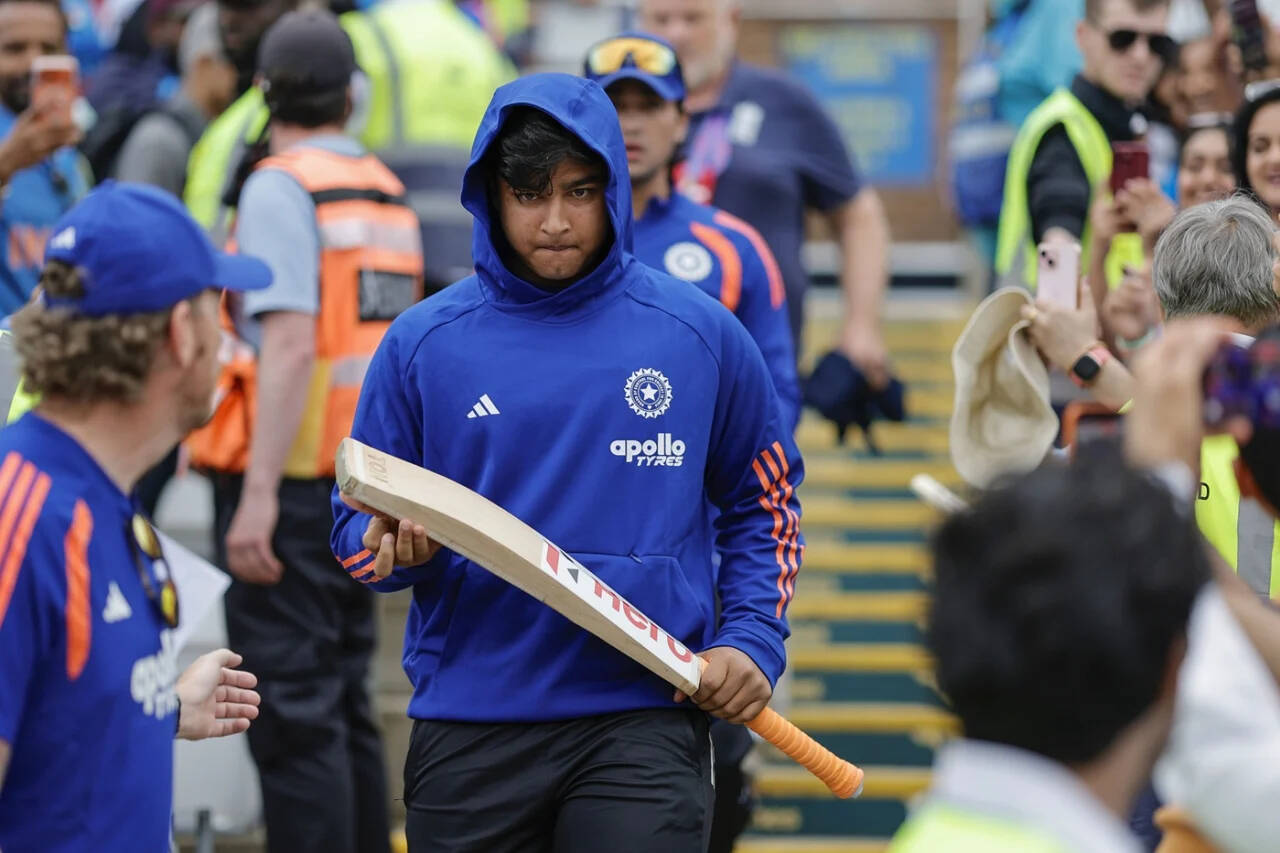
Vaibahv Sooryavanshi (AP Photo)
I also hope he’s open to accepting help along the way because it will be a rocky road. There’s absolutely no doubt about that.Especially if he chooses to play Test cricket – which he may not.He could become one of the first youngsters to simply say, “Sorry, I’m not interested in Test cricket. I’m perfectly happy playing T20 cricket.”From a comfort perspective, it’s much easier. You’re facing short spells, there are only two fielders outside the circle during the Powerplay, the wickets are flatter – it can be a much easier life as a cricketer.We’ll see what he decides. But regardless of what he chooses, there will certainly be challenges and pitfalls along the way.And if someone like him eventually decides not to play Test cricket, you can’t really blame the kid, can you? He’s simply pursuing what interests him. The responsibility then lies not with a 15-year-old but with the institutions running the game to make Test cricket equally attractive.Exactly. You can’t blame him. Those decisions are made at the top.It’s up to the administrators to find the right balance and make those decisions a little more difficult than they currently are. Right now, the choice is quite obvious.Sachin Tendulkar played for India for almost 25 years. Players of your generation remained at the top for well over a decade. Today, it feels as though the average lifespan of a superstar is barely five to eight years before audiences move on to someone new. Are our consumption habits changing? Is the very idea of superstardom shrinking?I think it is changing. One thing I actually like is that there was a time when longevity alone defined greatness.Sometimes a player’s statistics weren’t particularly impressive, but if he had played 150 Test matches, he was automatically considered a legend.I’m glad that’s changing because I don’t think that alone should define greatness.At the same time, it’s become much harder to measure greatness today. The shorter format rewards talent very quickly.But there’s less emphasis on character, longevity and the ability to survive difficult phases over many years.It’s a very tricky thing to judge. I was fortunate – or perhaps unfortunate enough – to live through that transition. During the first five years of my career, everything revolved around Test cricket.Towards the end, everything revolved around T20 cricket. I saw that transition unfold right before my eyes. I was always frustrated when greatness was measured only by longevity.
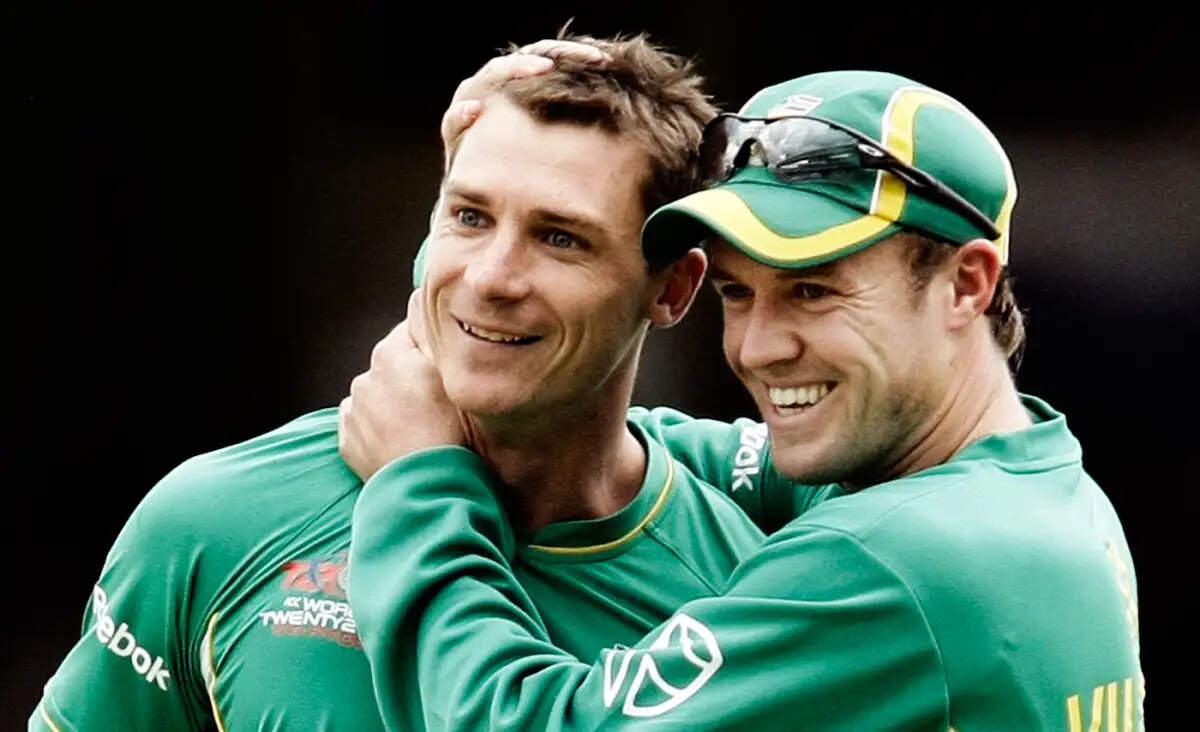
ABD’s early days
Someone would say, “He scored this many runs,” or “He played this many Test matches,” and therefore he was automatically considered great.At the same time, I was equally frustrated by how little importance was given to character in the shorter formats. It’s become increasingly difficult to define what true greatness really is.Traditionalists are understandably upset because T20 cricket has taken attention away from Test cricket, its history and its statistics.Many of the greats from previous generations won’t really know how today’s players compare with them because modern players simply don’t play enough Test cricket.I played just over 100 Test matches. Had there been no T20 cricket, I probably would have played well over 200.That was the reality for players like Sachin Tendulkar, Jacques Kallis and Ricky Ponting. That’s why, statistically, I’m never mentioned alongside those names in Test cricket.Not because I wasn’t capable, but because I never had the opportunity to play that many matches. Naturally, I finished with fewer runs because I didn’t have 200 Tests available to me.Back then, statistics were the primary way greatness was measured. People would look at 8,000 Test runs and say, “That’s nowhere near the all-time greats.”But I was never going to reach those numbers because I simply wasn’t going to play 200 Test matches.Which is exactly why many outsiders see your achievements as remarkable. Despite the explosion of white-ball cricket, you still completed more than 100 Test matches.But the game has changed even more now. Today you can’t even call that a great achievement in the eyes of many youngsters because they simply don’t aspire to play Test cricket anymore.They don’t really care what happened in the past. Once again, that comes back to the people running the game.We’ll have to wait and see what they do with this situation.