The ₹13,500 crore allocation for the IMRH design development has been cleared by the costing committee, sources said. The proposal is now expected to go before the CCS, with approval for the first phase of the programme likely to focus on the design development of the multi-role helicopter.
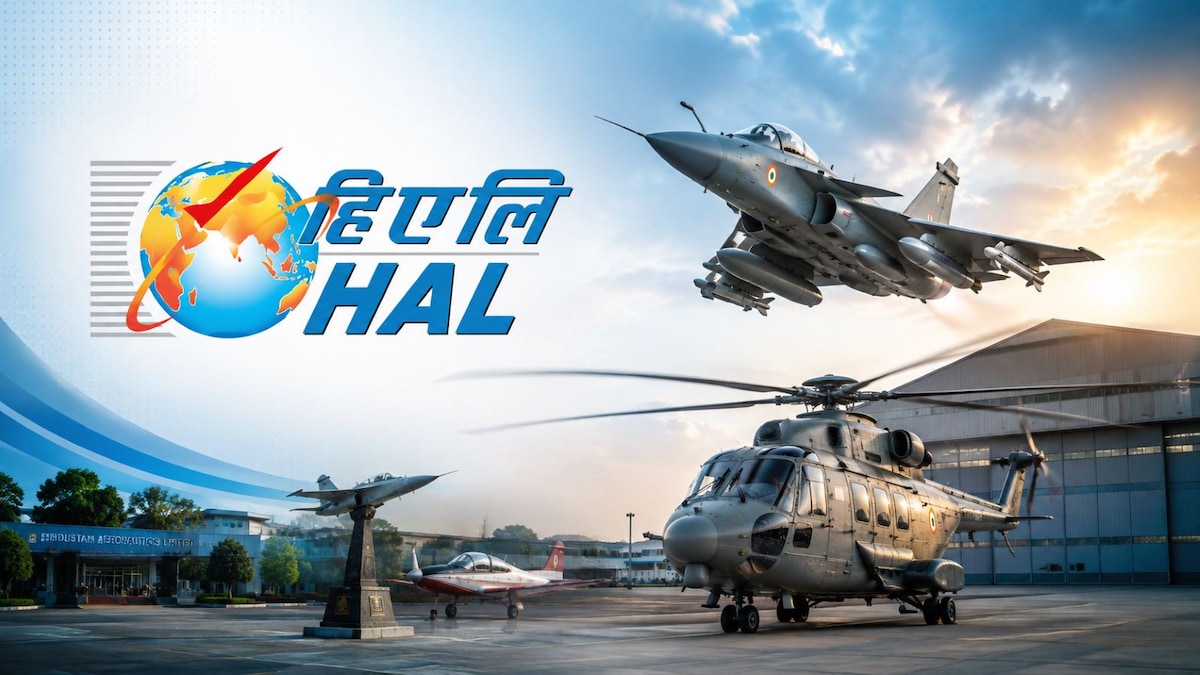
Hindustan Aeronautics Ltd (HAL) is developing the design for the IMRH, which is envisaged as an indigenous medium-lift helicopter for the Indian armed forces.
The potential CCS approval would mark an important step for the programme, moving it closer to the development phase as India seeks to strengthen its domestic aerospace and defence manufacturing capabilities.
The IMRH programme is also closely linked to the development of a new-generation helicopter engine.
Last month, HAL and Safran Helicopter Engines signed the final contract with their joint venture, SAFHAL Helicopter Engines Pvt Ltd, to develop and manufacture the Aravalli, a new-generation, high-power turboshaft engine.
The Aravalli has been selected to power the 13-tonne IMRH as well as its naval variant, the Deck-Based Multi-Role Helicopter (DBMRH).
Also Read: Why HAL’s latest SAFHAL pact matters for India’s next-gen helicopters
Both helicopters are twin-engine platforms, meaning the Aravalli will have to be developed, integrated and tested before either platform can enter operational service. The engine development schedule will therefore have a direct bearing on the timelines of the two helicopter programmes.
The Aravalli is being developed for medium-lift helicopters in the 3,500-4,000 shaft-horsepower class. The contract covers the engine’s complete product cycle, including design and development, manufacturing, supply and lifecycle support.
The IMRH is being developed by HAL for the Indian Air Force and the Indian Army and is intended to eventually replace the IAF’s ageing fleet of Russian-origin Mi-17 helicopters.
The naval variant, DBMRH, is being developed for the Indian Navy, with the Aravalli also expected to power that platform.