
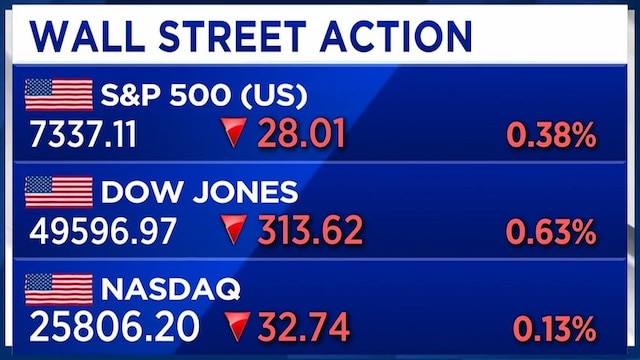
Clissold also says the resilience of US equities has been supported by a strong earnings season and steady consumer spending, but cautions that pressure could build if higher fuel costs start hurting households. He expects room for a US Fed rate cut only toward the end of the year, assuming oil prices cool and economic growth moderates.
Watch the full conversation here or scroll for edited excerpts.
These are edited excerpts from the interview.Q: Would you read too much into the exchange of fire that took place over the Strait yesterday? Donald Trump says the ceasefire is still in effect and called it a “love tap”. But should we be worried? Should we read this as a sign of escalation or just a small skirmish? And secondly, markets have been so hopeful of a diplomatic breakthrough, but the reality is that nearly two-and-a-half months later, it has not come through. Where do we go from here?
A: The President has made it very clear that he wants a deal, and he has been tolerant of a few skirmishes in the hope of reaching a broader agreement. Markets are certainly looking past the daily developments with the expectation that a deal will eventually be signed, because the alternative is so damaging for the global economy that both sides would ultimately figure it out.
Last year, it was the “TACO trade” — Trump Always Chickens Out — with regard to tariffs. This situation is obviously much more complicated, but markets seem to be trying to replay that same playbook, believing Trump will eventually find a way to strike a deal.
Also Read | Quarterly earnings reporting likely to stay as investors push for transparency, say experts
That is probably still the more likely scenario right now, but there is also a risk that the market is becoming too one-sided in expecting Trump to find a deal. If he does not, there is clearly significant downside risk.
Q: So, at some level, it almost feels like none of this matters until it suddenly matters again. Is there such a tipping point? Markets have done phenomenally well.
A: Yes, markets have done well on hopes that there will be a deal. But we also need to remember that fundamentals have been very strong.
If you look at the Q1 earnings season, the beat rate for S&P 500 companies is currently running at around 85%, which would be the third-highest on record. The only higher readings came right after the pandemic. So, this has been a very strong earnings season.
There are two things we need to watch. One is whether the global economy starts slowing sharply, despite being resilient in the face of reduced energy supplies.
The second is the US consumer, especially the lower 80% of households, who are largely tapped out on savings. If we start seeing signs that they are buckling under the pressure of higher gas prices, Trump could move more quickly toward a deal.
This year, Americans received higher tax refunds by April 15 because of the tax bill passed last year. Consumers are currently spending some of that extra money at gas stations, so higher fuel prices are not yet hurting spending materially.
But over time, those savings will run down, and political pressure in the US could rise significantly. That is when you could see a deal happen one way or another.
Q: A few months ago, we discussed how markets react to a new Fed chair. Historically, equity markets tend to go through turbulence in the first six to eight months, with average corrections of around 15%. What are the odds of that happening again? Also, what do you expect in terms of Fed rate action? Trump wanted his preferred candidate, and now it appears he has one. But does the Fed even have room for a rate cut?
A: The study shows that, on average, markets see about a 15% correction during the first six months of a new Fed chair’s tenure.
Sometimes the correction is smaller when there is no real crisis. The key takeaway is that if a crisis does emerge, it can become fairly severe because markets do not yet know how the new Fed chair will react.
A good example was December 2018 under Jerome Powell, when markets were unsure how he would respond to a slowing economy.
Now, Governor Waller does appear inclined toward rate cuts, but even Treasury Secretary Bessent has suggested that it would be difficult to cut rates in the near term.
We think there could be room for a rate cut toward the end of the year, assuming the Middle East crisis eases, oil prices decline, and the US economy moderates.
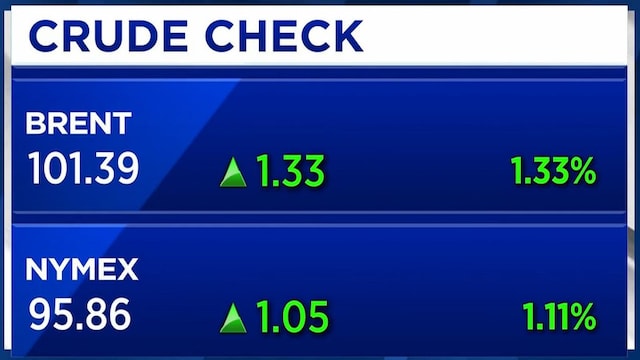
The crisis may have bought Waller a little more time before needing to move toward a rate cut, and before the President begins putting more pressure on him. But if there are no rate cuts over the next year, I think the rhetoric from the White House could intensify quite quickly.
Catch all the latest updates from the stock market here