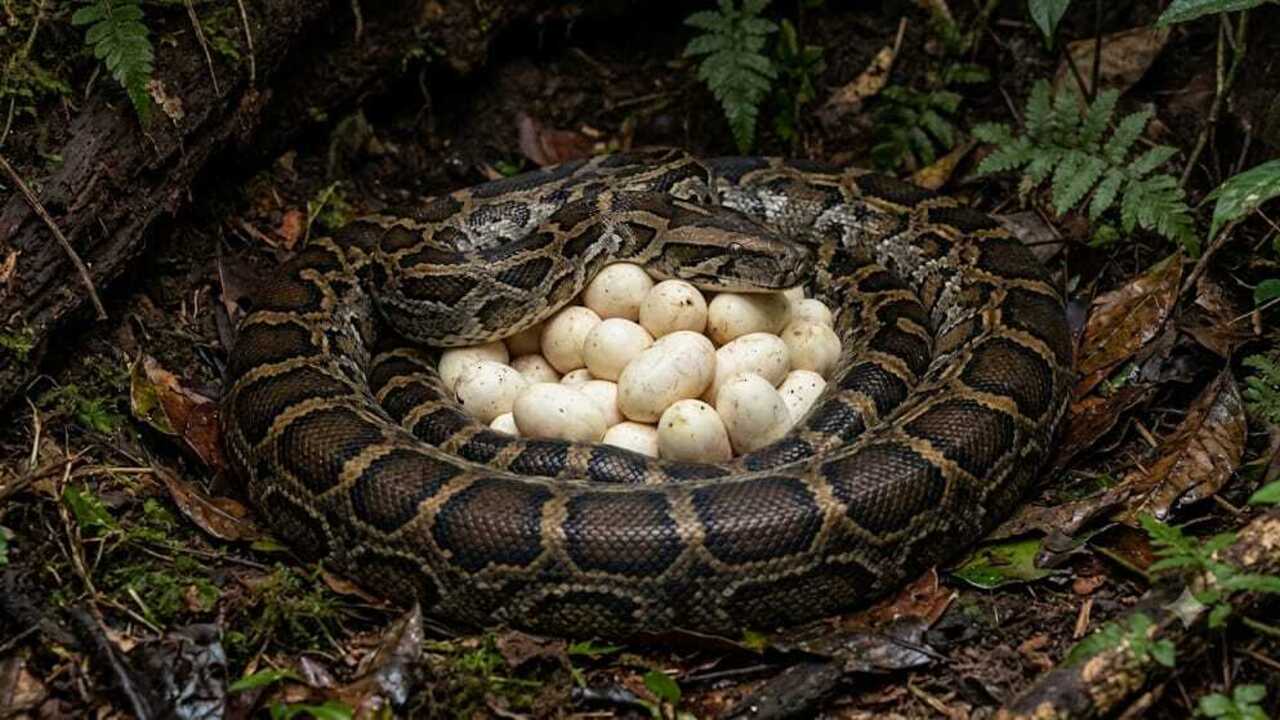
Stumbling across a cluster of small white eggs in your garden can be surprising and even a little unsettling. Tucked beneath a pile of leaves, buried in loose soil or hidden under garden debris, they might look harmless, but many people immediately wonder whether they’ve found snake eggs. Your first instinct may be to move or destroy them, but wildlife experts recommend taking a closer look before doing anything.In many cases, the eggs may belong to a harmless reptile, and even if they are snake eggs, there’s usually no need to panic. Most snake species are non-venomous and help keep gardens healthy by feeding on rodents and other pests. In many countries, native snakes are also protected by law. Knowing how to recognise snake eggs, when to leave them alone and when it’s best to contact a wildlife expert can help keep both your family and the local ecosystem safe.
How can you tell if the eggs in your garden are snake eggs
If you come across a cluster of small, white eggs in your garden, don’t assume they belong to a bird. Snake eggs look quite different. Instead of having a hard shell, they are usually soft, leathery and slightly rubbery, so they feel more flexible than a typical bird’s egg. They are generally white or cream in colour, oval-shaped, and are often found grouped together because female snakes lay several eggs in a single clutch.Snakes usually choose places that are warm, damp and well hidden to lay their eggs, giving the developing embryos the best chance of survival. You might find them beneath a pile of leaves, inside a compost heap, under rotting logs, in mulch, beneath rocks or buried in loose soil. Depending on the species, a female can lay anywhere from just a handful of eggs to more than 50 at a time.It’s also important to remember that not every snake lays eggs. Many species, including boas and several vipers, give birth to live young instead. And not every mysterious clutch of eggs in your garden belongs to a snake; some may have been laid by lizards, turtles or other reptiles. Unless you’re familiar with reptile eggs, it can be surprisingly difficult to tell them apart, which is why experts recommend identifying them before taking any action.
Why you shouldn’t move snake eggs immediately
If you suspect you’ve found snake eggs, avoid picking them up or turning them over. Once an embryo begins developing, rotating the egg can detach it from the inner membrane, potentially preventing it from surviving. Wildlife experts therefore recommend leaving reptile eggs exactly as they are unless they are in immediate danger.Snake eggs are also highly sensitive to changes in temperature and humidity. Moving them to another location or exposing them to direct sunlight can reduce their chances of hatching. In many regions, native snakes are protected under wildlife legislation, meaning disturbing nests without authorisation may be illegal.If the eggs are located in an area where people or pets are likely to come into contact with them, the safest approach is to contact your local wildlife authority, forest department or a licensed snake rescuer. They can identify the species and decide whether relocation is necessary.
Are snake eggs dangerous?
The eggs themselves are not dangerous. Simply being near snake eggs won’t harm you, as they don’t contain venom or pose any direct risk. The bigger concern is that the mother snake, or another snake, could be sheltering somewhere nearby, especially if the nesting spot offers good cover.In most cases, egg-laying snakes leave the nest soon after laying their eggs, so the eggs are often found unattended. However, there are exceptions. Pythons, for example, are known to stay with their eggs, wrapping their bodies around them to keep them warm and protect them until they hatch. That’s why it’s best not to reach into thick vegetation, woodpiles, compost heaps or other hidden spaces if you’ve spotted what could be snake eggs.If you do notice an adult snake nearby, resist the urge to approach it or chase it away. Stay calm, give it plenty of space and let it move off on its own. Experts say most snake bites happen when people try to catch, kill or handle a snake. Leaving it undisturbed is usually the safest option for both you and the animal.
What should you do if you find snake eggs in your garden?
According to Serpent ID, if the eggs are undisturbed and do not pose an immediate safety risk, the best course of action is usually to leave them where they are. Keep children and pets away from the nesting area and avoid mowing, digging or disturbing the site until experts can assess it if necessary.Should you need identification, take a photograph from a safe distance rather than handling the eggs. Local wildlife authorities, herpetologists or certified snake rescue organisations can often identify the species from clear images and provide appropriate advice.Maintaining a tidy garden can also reduce the likelihood of snakes nesting close to homes. Removing excessive piles of debris, storing firewood off the ground, trimming overgrown vegetation and controlling rodent populations make gardens less attractive to snakes while still supporting healthy biodiversity.Although discovering snake eggs may come as a surprise, they are often a sign of a healthy ecosystem. By responding calmly and seeking expert guidance when needed, you can help protect native wildlife while ensuring the safety of your household.