
Olympic shooting medallist Gagan Narang, who is contesting for the Indian Olympic Association president’s post, has outlined his vision centered on empowering National Sports Federations and state bodies, improving athlete welfare, and bringing transparency in governance.
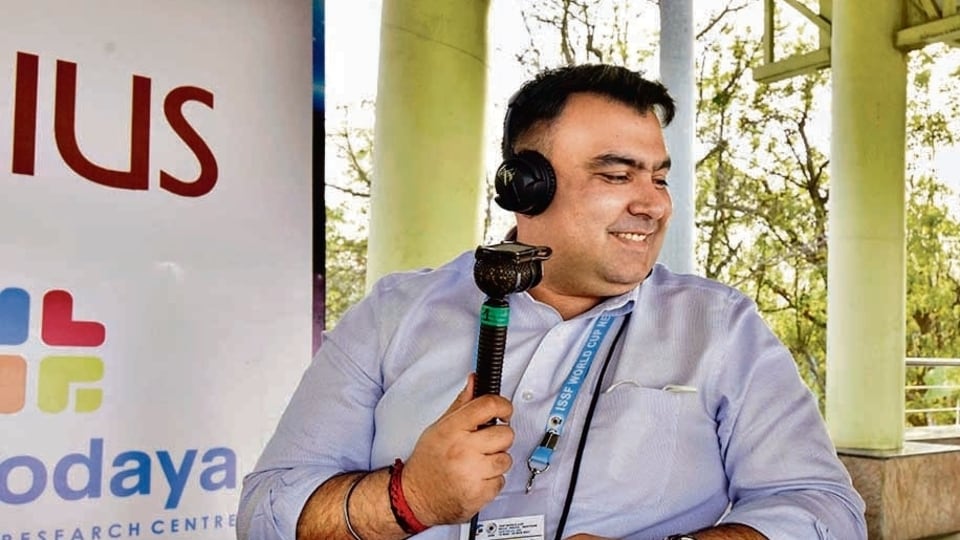
Having represented India as an elite athlete and held various administrative posts — he is an outgoing IOA vice-president and has also been in many high-level committees of Sports Authority of India and Mission Olympic Cell — Narang said his experience on either side of the sporting ecosystem would help strengthen India’s Olympic movement. The elections are on December 5.
“A medal is won in a moment, but it is built over years by a system: the federation, the state, the coaches, and the IOA that brings them together. I have stood on the podium as an athlete and worked behind the scenes as vice-president of the IOA and Chef de Mission in Paris. Federations make athletes and athletes win medals. The IOA must serve both, and that is the IOA I want to build, together with you,” he says in his vision document.
A key part of his pitch is strengthening the national federations by helping them access funding, including through the International Olympic Committee’s Olympic Solidarity programmes. He has proposed ‘clear and fair’ standards for elections, financial reporting and athlete selection along with high-performance and administrative support.
Narang’s vision paper said the state sports bodies also need to be nurtured through shared frameworks and grassroots competitions, and partnerships with state governments and corporate partners to expand scholarships for emerging talent.
One of India’s best rifle shooters at his peak, Narang won bronze medals at the 2012 London Olympics and the 2010 World Championships. After ending his career, he entered administration and mentored young talent. His Gun for Glory Foundation – a grassroots-to-elite programme — has emerged a strong pipeline for talent.
Former IOA secretary general Rajeev Mehta and Archery Association of India secretary general Virendra Sachdeva too have filed nominations for the IOA president’s post. Narang is considered a frontrunner, although some federations prefer an administrator to a sportsperson-turned-administrator.
Narang called for regular and well-scheduled National Games, backed by quality infrastructure and strong participation from states. He has proposed the strengthening of IOA’s Athletes’ Commission to ensure a stronger voice for athletes. He has also stressed on equal opportunities for women as athletes, coaches and sports officials.
On India’s ambition to stage the 2036 Olympics, Narang said it was a big opportunity: “It is also about the playgrounds, coaches and opportunities it leaves behind for millions of young Indians.”
His aim is also to look into avenues to bring sponsors, CSR and public private partnerships into infrastructure and sports medicine, while supporting India’s presence at IOC and international federations. On athletes’ welfare, Narang wants greater emphasis on anti-doping awareness, sports science, coaching and safe sporting environments.