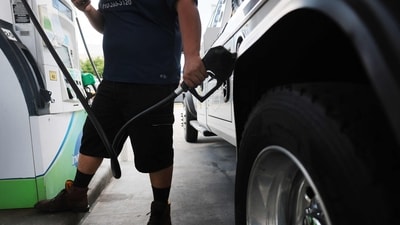
Gas prices have reached a record high for Labor Day this year. The national average price for regular gasoline was $4.15 per gallon on Monday, according to AAA. This is the highest gasoline price ever recorded for the Labor Day holiday.
Drivers have never paid more than $4 a gallon on Labor Day before. The previous Labor Day record was $3.82 per gallon, recorded on September 3, 2012, according to AAA. The record comes during one of the busiest travel weekends of the year.
Labor Day weekend is a major road-trip period, and rental car company Hertz considers it one of the busiest travel weekends of the year. Higher gasoline prices therefore mean many Americans could spend more on holiday travel, according to CNBC.
Gasoline prices are lower than their 2026 peak, but still much higher than last year. The national average reached $4.56 per gallon in May, so prices have fallen from that level. However, Monday’s $4.15 average is still about 30% higher than the $3.20 per gallon Americans were paying around the same time last year.
Normally, gas prices start falling after summer. Gasoline demand usually drops after the summer driving season ends. That seasonal decline often pushes prices lower, but that has not happened in the usual way this year because crude oil remains expensive, according to Brittany Moye, a spokesperson for AAA.
Higher crude oil prices are one of the biggest reasons gasoline remains expensive. Crude oil is the main raw material used to make gasoline and is generally the largest part of the price consumers pay at the pump.
Also read: Iran war costs Americans $100 billion in extra energy bills: How much are households paying?
Oil prices remain high
The Iran war has pushed U.S. oil prices sharply higher. West Texas Intermediate, or WTI, the main U.S. oil benchmark, was trading at around $92 per barrel Monday morning, compared with about $67 per barrel before the Iran war began on February 28, according to the report.
Brent crude has also jumped since the war began. Brent, the international oil benchmark, was around $97 per barrel on Monday, compared with roughly $72 per barrel before the conflict.
The Strait of Hormuz has become a major problem for global oil supplies. Oil tankers have faced difficulties passing through the Strait of Hormuz during the conflict. This has reduced the amount of oil moving through one of the world’s most important oil routes.
Much less oil is now moving through the Strait of Hormuz. About 4.9 million barrels of crude oil and petroleum liquids were transported through the strait each day in the second quarter of this year, according to the U.S. Energy Information Administration (EIA), via CNBC.
That is far below the amount transported before the conflict. The daily flow was about 21.6 million barrels per day in the fourth quarter of 2025, before the Iran conflict began, according to the EIA.
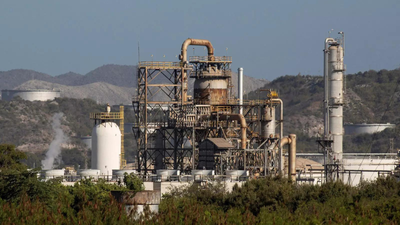
The supply problem is not limited to oil tankers. Refineries in several regions have also been taken offline because of the Iran war and the Russia-Ukraine war. This is reducing the amount of gasoline that can reach the market.
Damage to refineries is adding further pressure to gasoline supplies. “We still have a supply disruption in the Middle East at the same time refineries in both the Middle East and Russia have been damaged,” said Andy Lipow, president of Lipow Oil Associates, a Houston-based consulting firm focused on refinery operations.
U.S. gasoline inventories are also below normal levels. Gasoline inventories were 6% below the average for the week ending August 28, according to the EIA. Lower inventories mean there is less gasoline available to meet demand.
Also read: Could oil hit $120? Goldman warns as US-Iran attacks threaten Hormuz shipping
Diesel prices also hit a record
Diesel prices have also reached a record high ahead of the Labor Day weekend. Diesel was averaging $5.90 per gallon on Monday, according to AAA. Diesel is much more expensive than it was a year ago. The average diesel price was $3.71 per gallon a year earlier, meaning drivers are now paying substantially more.
Winter gasoline could bring some relief
There could be some relief at the pump soon. The U.S. gasoline industry normally switches from summer-grade gasoline to cheaper winter-grade gasoline in September, according to Lipow. Winter gasoline generally costs less to produce. The EIA says winter gasoline is generally cheaper because it does not require the more expensive formulation used for summer gasoline.
Summer gasoline production normally ends around September 15. The summer blend is more expensive to produce and is generally no longer produced after that date. This year, the switch to winter gasoline has been moved forward.
The Environmental Protection Agency (EPA) announced on August 20 that winter-blend gasoline could be sold starting September 1. The move was designed to increase gasoline supplies and help bring pump prices down, according to CNBC.
But cheaper winter gasoline may not solve the entire problem. Experts say the biggest factor remains the global oil supply. If crude oil prices stay high because of the Iran conflict, gasoline prices could remain elevated even after the switch to winter-grade fuel.
The Strait of Hormuz remains key to what happens next. Oil prices could see major changes depending on whether the U.S. and Iran reach an agreement that allows normal traffic through the strait, Lipow said. For now, Americans are entering Labor Day with record-high holiday gasoline prices. The national average of $4.15 per gallon is the highest ever for Labor Day, while global supply disruptions and elevated crude oil prices continue to keep pressure on the pump.