
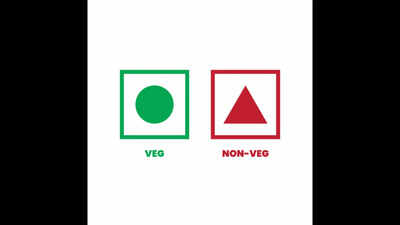
Green dot or red dot? Soaps, shampoos and toothpaste to reveal if they are veg or non-vegThat green dot you usually look for on a food packet could soon have a new place to watch out for: your bathroom shelf.From soap and shampoo to toothpaste, cosmetics and other toiletries, products sold in India will now have to carry a symbol indicating whether they are of vegetarian or non-vegetarian origin.The Centre notified the Legal Metrology (Packaged Commodities) Fourth Amendment Rules, 2026 on September 21. The rules came into force the same day.
So, what do the dots actually mean?
Green dot or red dot? Here’s what the new rule saysUnder the amended rules, products of vegetarian origin will carry a green dot.Products of non-vegetarian origin will carry a red or brown dot.And unlike a tiny declaration buried somewhere on the back of the pack, the symbol has to be placed at the top of the principal display panel, making it visible to shoppers. The rule specifically covers soap, shampoo, toothpaste, other cosmetics and toiletries.That means checking whether a personal-care product is vegetarian or non-vegetarian could become a much quicker exercise. Instead of trying to work out what unfamiliar ingredients on the label mean, consumers will have a visual marker on the pack.
Is this actually a new rule?
Not exactly.This is the part that can easily get lost in the viral version of the story.A similar vegetarian and non-vegetarian labelling requirement for soaps, shampoos, toothpastes, cosmetics and toiletries was introduced in 2014 under Rule 6(8) of the Legal Metrology (Packaged Commodities) Rules, 2011. The Delhi High Court’s February 2026 order records that earlier provision and the legal challenge surrounding it.The September 2026 amendment changes where the requirement sits in the rules. It inserts the requirement as Rule 6(4A)(d) and removes the earlier Rule 6(8).So, saying that the government has suddenly introduced the concept of veg and non-veg labels for personal-care products for the first time would be misleading.What is new is the 2026 legal framework and placement of the provision.
Why are people talking about it now?
Because the symbols are much more familiar on food packets than on a tube of toothpaste or a bottle of shampoo.For years, shoppers have been used to looking for the green vegetarian symbol or the non-vegetarian mark while buying packaged food. The amended rule extends that familiar idea to a range of everyday personal-care products.And that could make the labels particularly noticeable for consumers who actively avoid animal-derived ingredients.The rule doesn’t mean that every soap, shampoo or cosmetic product is non-vegetarian unless it has a green dot. The symbol is meant to indicate the origin of the product as prescribed under the amended packaging rules.
What else has to be mentioned on cosmetic packaging?
The veg/non-veg symbol is only one part of the information that can appear on a cosmetic or toiletry package.Existing rules also cover declarations such as the product name, manufacturer’s name and address, quantity, batch details, manufacturing licence information, manufacturing date and use-before or expiry details, depending on the product.Cosmetic packaging also has ingredient-labelling requirements. So shoppers will still have access to detailed product information rather than relying only on the coloured dot.The new requirement simply puts one particular piece of information in a much more visible spot.
From food packets to bathroom shelves
The move is likely to get people looking at their everyday products a little differently.A toothpaste tube, shampoo bottle or soap bar may not look like something that needs a vegetarian or non-vegetarian label. But personal-care products can contain a wide range of ingredients, and consumers may have their own reasons for wanting to know their origin.For now, the easiest thing to remember is simple: green means vegetarian origin, while red or brown indicates non-vegetarian origin under the new packaging rule.And the next time you’re standing in front of a shelf comparing two shampoos or reaching for a new toothpaste, that little coloured dot could become one more thing you check.