A gas stove works through daily spills, splattering oil, and boiling sauces. Over time, those small messes settle into the burner caps and ports, forming a layer of burnt grease that can affect both appearance and flame performance. With time, these small marks harden into stubborn grease that seems impossible to remove.Sometimes, using a hard brush feels like the quickest solution. But harsh scrubbing can scratch burner caps and damage the protective finishes. In many cases, the dirt simply needs time to soften the dried residue. Warm water and a few everyday kitchen ingredients are usually helpful to remove dirt with minimal effort. Here are some simple methods that help keep gas stove burners clean while reducing the need for vigorous scrubbing.
Simple ways to clean gas stove burners without scrubbing
1. Soak the burners in hot soapy water
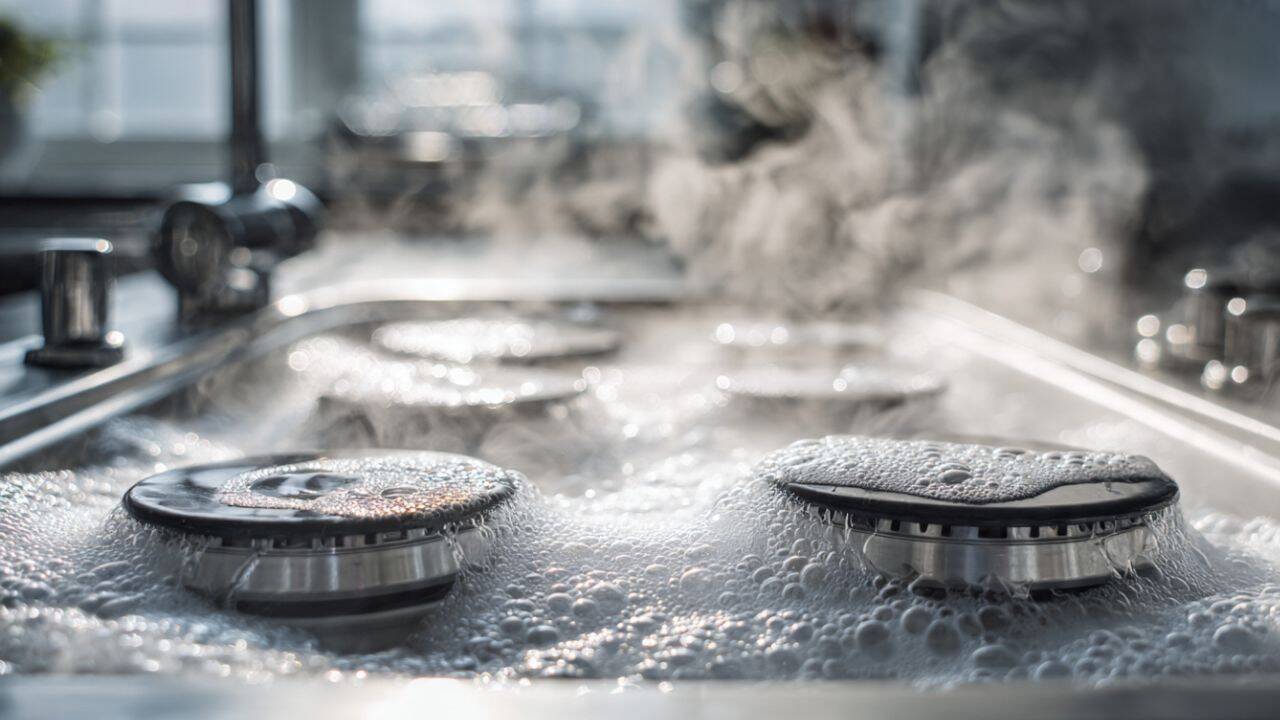
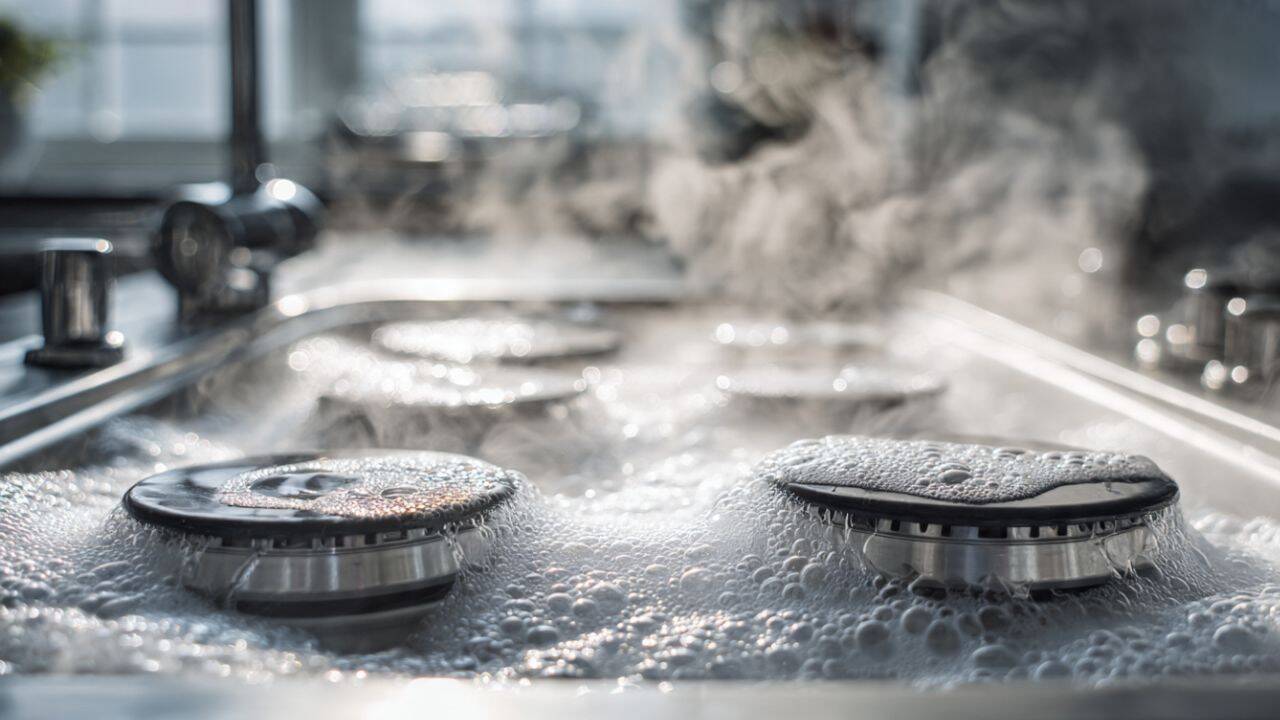
Hot water remains one of the easiest ways to loosen burnt grease. Remove the burner caps and place them in a bowl filled with hot water and a small amount of dishwashing liquid. Leave them undisturbed for about 30 minutes. During this time, the grease begins to soften on its own. Once removed from the bowl, much of the residue can usually be wiped away with a soft sponge rather than scrubbed repeatedly.
PC: AI Generated
2. Apply a baking soda paste
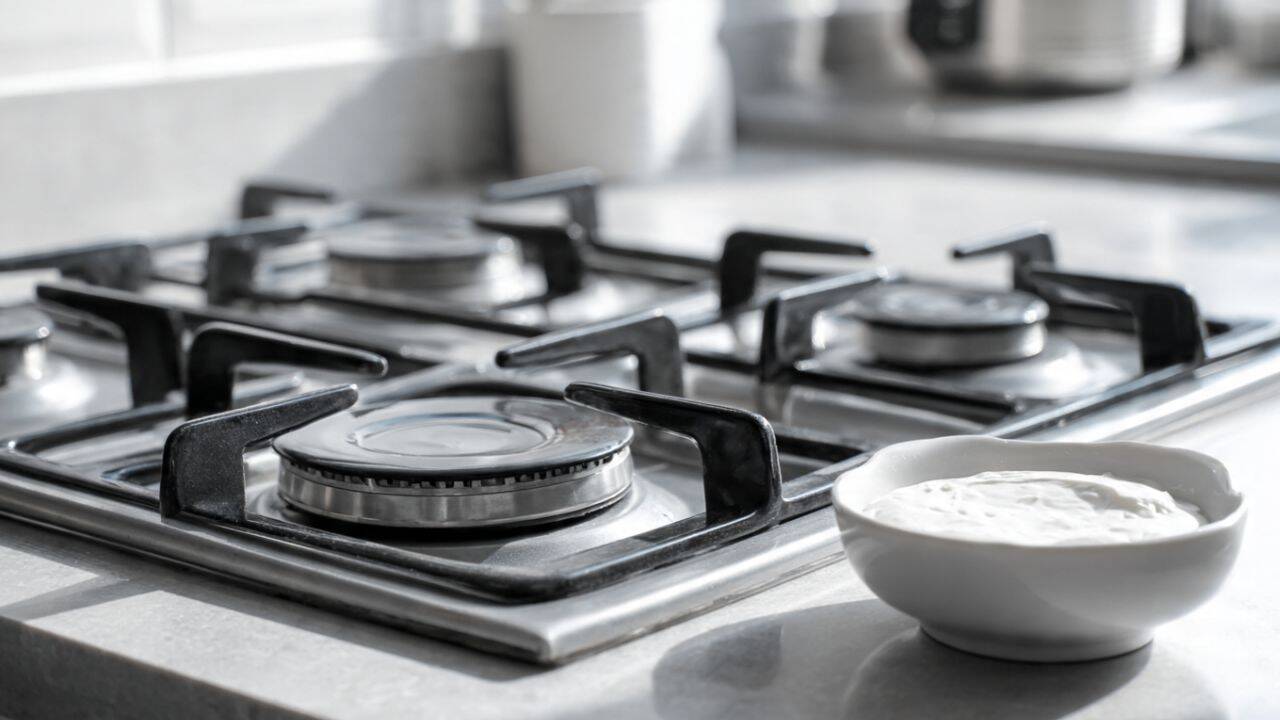
Baking soda is a gentle cleaner that helps break down greasy deposits without damaging the burner surfaces. Mix it with a little water until it forms a thick paste. Spread the mixture evenly across the stained areas and leave it for at least 15 minutes. As the paste dries, it gradually loosens burnt food and oil. A damp cloth is often enough to remove the softened residue afterwards.
PC: AI Generated
3. Soak stubborn grease in white vinegar
A vinegar soak can be useful for the burners that have not been cleaned for some time. Place the burner caps in a shallow bowl and pour enough white vinegar to cover the stained sections. Leave them for around 20 minutes before rinsing thoroughly. The mild acidity helps break down grease and mineral deposits that ordinary washing may not clean properly. After soaking, the remaining dirt usually wipes away far more easily.

PC: AI Generated
4. Use boiling water for fresh burnt residue
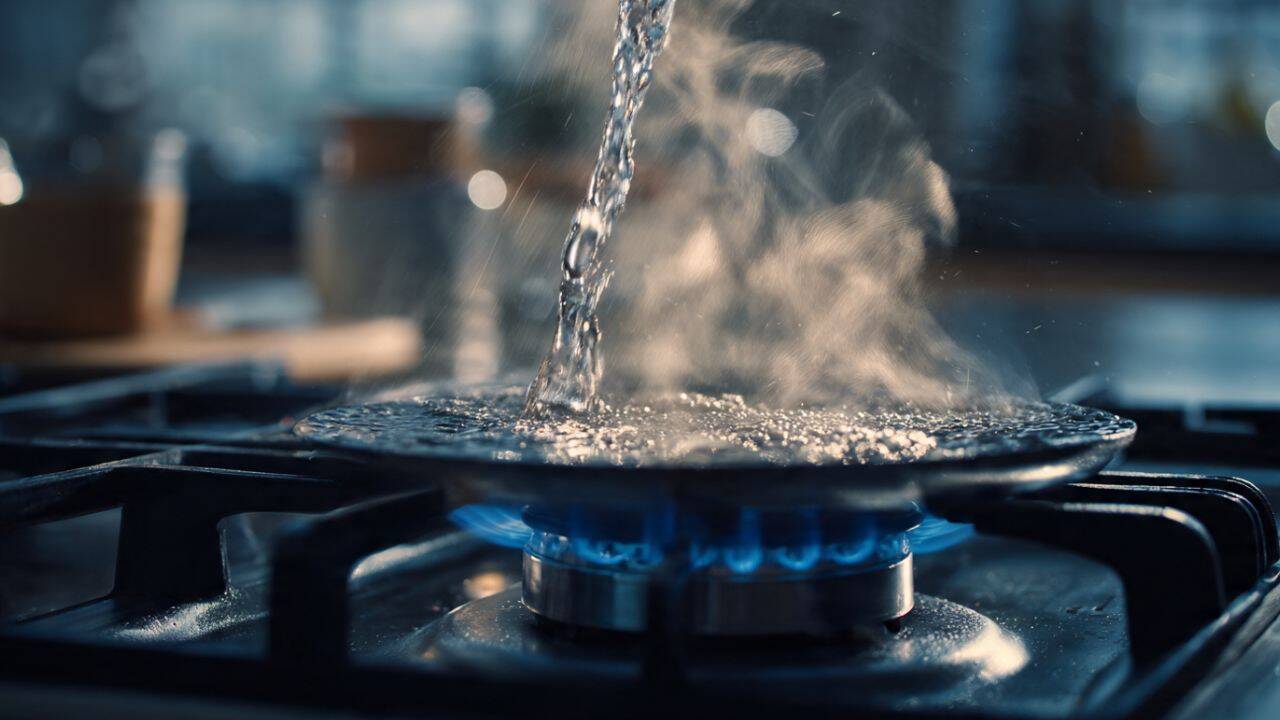
Place the burner caps in a heat-proof bowl or sink and carefully pour boiling water over them. Allow the water to cool slightly before handling the burners. The high temperature softens oily deposits before they become firmly attached to the surface. This simple method works particularly well after heavy cooking when grease has not yet hardened completely.
PC: AI Generated
5. Wipe with a microfibre cloth instead of a harsh scrubber
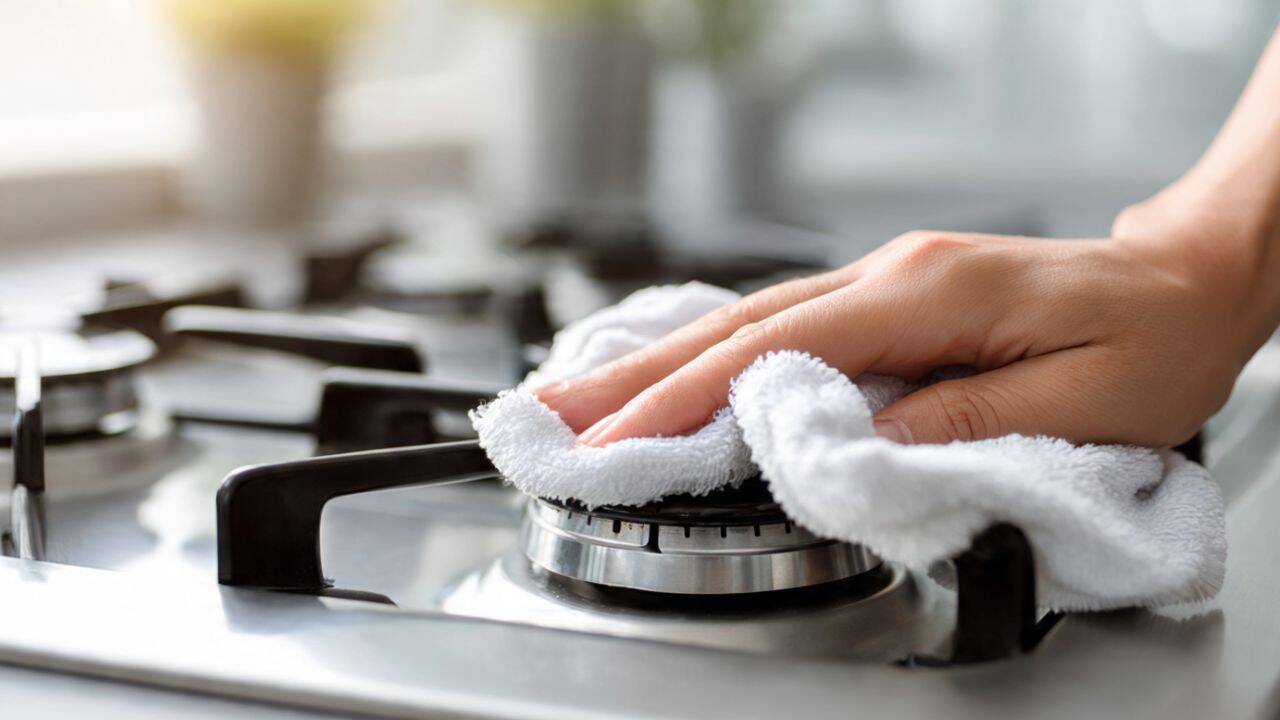
Once the grease has softened, the choice of cleaning cloth becomes important. A microfibre cloth lifts dirt rather than dragging it across the surface. Its fine fibres trap grease and food particles without scratching the burner finish. In many cases, gentle wiping removes far more residue than aggressive scrubbing with a rough pad. It also helps preserve the appearance of the burners over time.
PC: AI Generated
6. Clean blocked burner holes carefully
Burner ports can become blocked by burnt food or grease, which causes uneven flames during cooking. Sharp metal objects should never be used because they may damage or widen the openings. A wooden toothpick or a soft nylon brush is usually enough to remove loose debris safely. Clearing these small holes carefully helps restore an even flame while protecting the burner from unnecessary damage.

PC: AI Generated
7. Dry every burner completely before putting it back
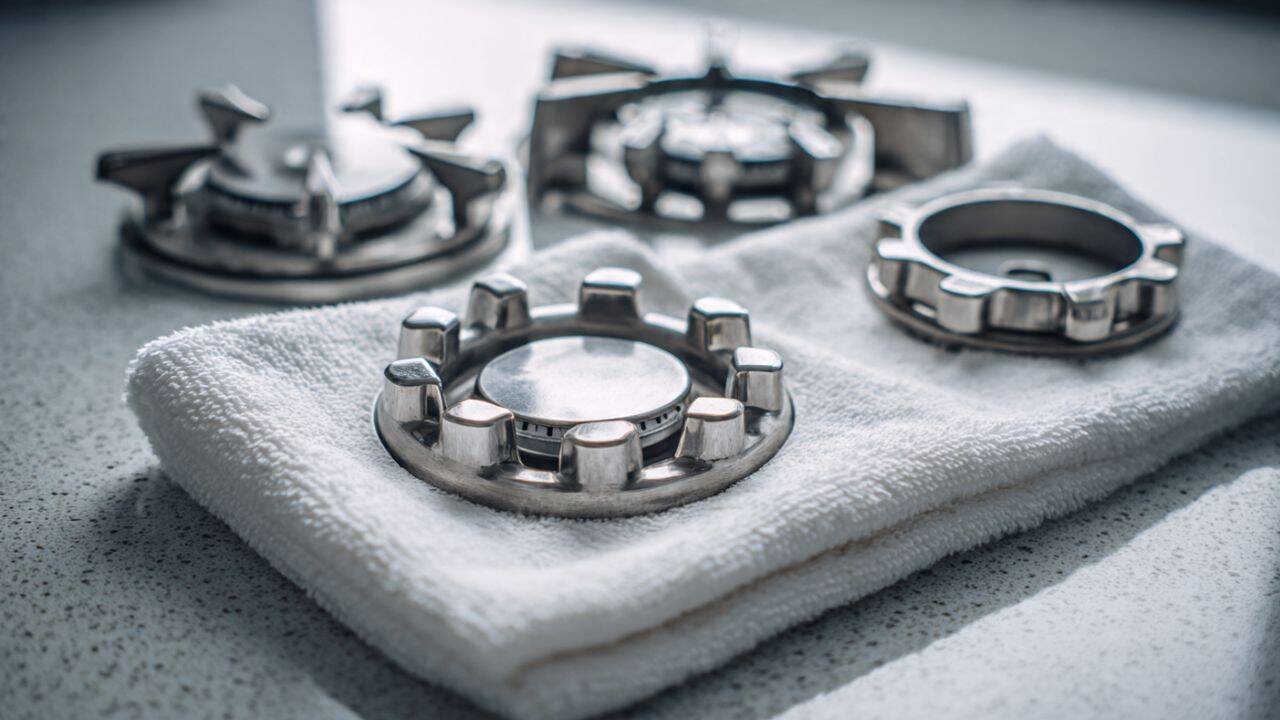
Cleaning does not end after rinsing. Moisture left inside burner parts may affect ignition or lead to uneven flames. Every component should be dried thoroughly before it is returned to the stove. Air drying works well, although a clean dry cloth can work well in the process. Taking a few extra minutes to remove moisture also helps reduce the chance of rust developing on exposed metal parts.
PC: AI Generated
8. Wipe away fresh spills before they harden
The easiest grease to remove is the grease that never has time to burn. Once the stove has cooled after cooking, wiping away fresh splashes prevents residue from baking onto the burners during the next use. This habit takes only a minute, and it reduces the need for deep cleaning later. Small daily cleaning routines often keep burners looking cleaner for much longer.

PC: AI Generated
What to avoid while cleaning gas stove burners
Some cleaning methods may damage burners instead of protecting them. Steel wool, metal scrapers, and harsh scouring pads can leave permanent scratches and damage protective coatings. Strong chemical cleaners should never be mixed because they may release harmful fumes.Burner caps should also never be placed back while damp. Moisture can interfere with ignition and may encourage corrosion over time. Gentle cleaning and complete drying usually produce far better long-term results than aggressive methods.