
A child’s sadness is never random
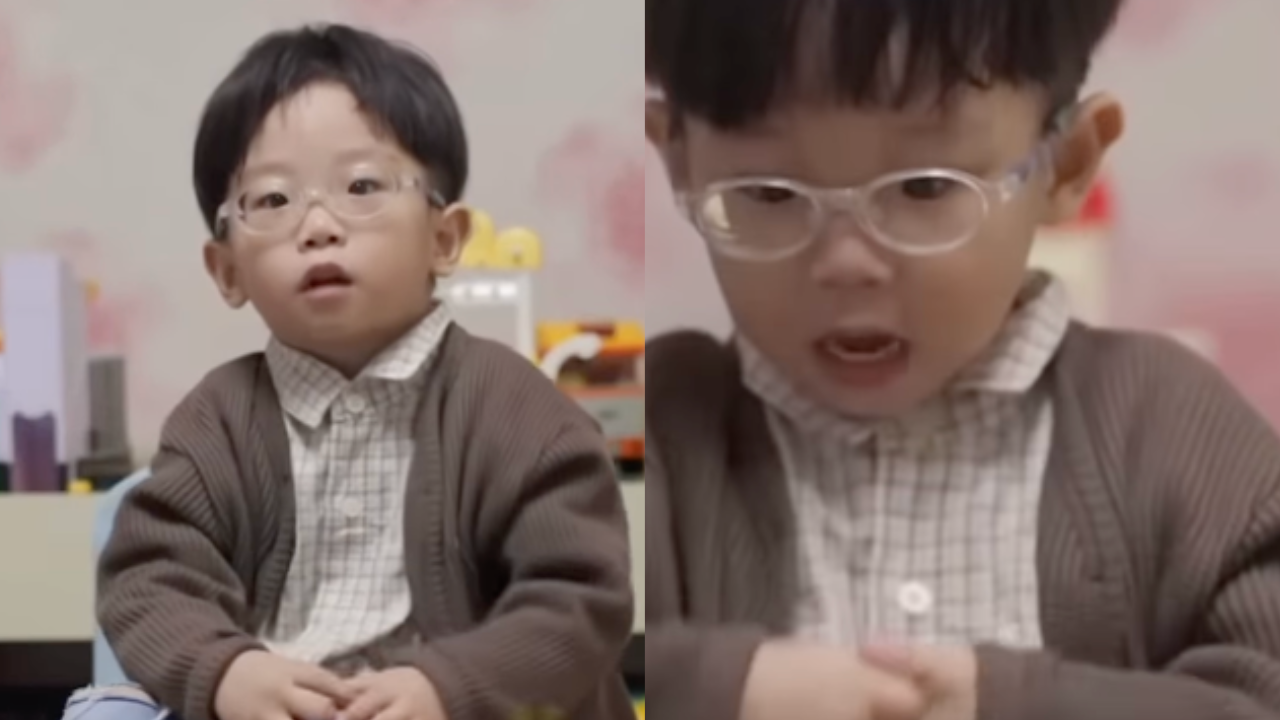
What makes this clip so heartbreaking is not simply that the boy sounds lonely. It is how clearly he already understands the emotional atmosphere around him. When asked about his father, he says he is scary when angry. When asked what he wants from him, he says he wants him to reply nicely. When asked about his mother, he says, almost like a conclusion he has already reached, “I don’t think she loves me.” That line is the one that splits the heart open. A 4-year-old should not have to translate affection, safety or care into guesswork. He should not have to study moods like weather. He should not have to wonder whether love disappears when adults are stressed, irritated or busy. Yet that is exactly what many children do. They build theories out of silence. They make emotional maps from the smallest signs. They learn, very early, to read the room and then read themselves through it. And when a child says, “She doesn’t listen,” it is not only a complaint. It is a tiny record of emotional isolation.
What children absorb before they can explain
Children are astonishingly alert to emotional cues. They may not have adult vocabulary, but they are constantly collecting information: the speed of a voice, the face that hardens, the hug that never comes, the words that are brushed aside. Over time, these moments become beliefs.I am a burden.I am too much.I am not worth calming down for.If I speak, nobody hears me.Those beliefs can begin with one household and echo for years. That is why the boy’s tears matter so much. He is not performing emotion. He is showing it. He pauses, asks for a minute, and then says he hopes his mother plays with him too. That one sentence carries so much longing in it. Not a demand. Not rebellion. Just the simplest wish in the world: to be included.
Parenting is not only provision
Many parents are not cruel. Many are overwhelmed, tired, stretched thin, and carrying wounds of their own. That matters. It does not excuse harm, but it explains how easily emotional neglect can happen without anybody naming it as such. A parent can feed a child, dress a child, school a child, and still miss the quiet emotional hunger growing underneath.Children do not need perfection. They need repair. They need adults who can soften after snapping, return after distancing, and notice when a small face has gone still. The real damage often comes not from one angry moment, but from the absence of reconnection afterward. That is what makes tone so powerful. A sharp reply can linger longer than the conversation itself. A warm response can rescue a child from making the wrong story about themselves.
Why this scene stays with people
This clip moves people because it strips away the comfortable illusion that childhood pain always looks loud. Sometimes it looks like a bored little boy sitting alone, trying to explain that nobody plays with him. Sometimes it looks like a child who has already decided love is uncertain. Sometimes it sounds like a four-word sentence that an adult will never forget.“I think my mom doesn’t love me.”No child should have to say that out loud. And maybe that is why the moment travels so far online. It does not simply break our hearts. It reminds us of a duty. To listen sooner. To soften faster. To stop treating a child’s feelings as inconvenient noise. Because to a small child, a parent’s tone can become a lifelong soundtrack. And the smallest acts of attention can become the first proof that they are deeply, unquestionably loved.