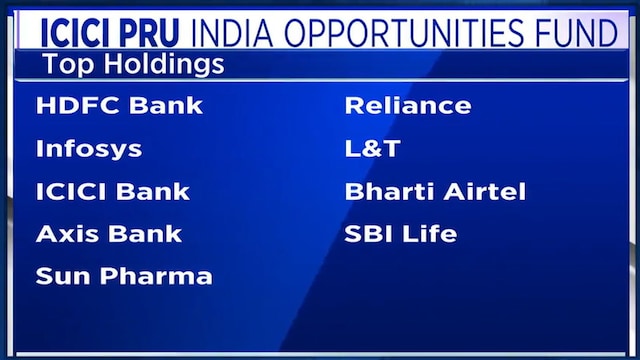
Naren said India could attract stronger foreign institutional investor (FII) inflows only after enthusiasm around AI-led global stocks moderates. Until then, he expects domestic markets to be supported mainly by local inflows and recommends diversified portfolios instead of concentrated equity exposure.
He said the decline in crude oil prices has reduced a key macroeconomic risk for India, while an improvement in monsoon conditions has strengthened the country’s economic outlook.
However, he said India’s inability to participate directly in the global AI boom has diverted international capital towards AI companies, semiconductor firms and related businesses overseas.
“We have to still wait for that AI bucket to either start underperforming or people becoming disbelievers for India to get a big part of the FII flows.”
Large caps preferred over mid-caps
From a valuation perspective, Naren said large-cap stocks appear reasonably valued, while mid-cap valuations remain expensive. He added that investors can still find selective opportunities in small-cap stocks.
He cautioned against expecting outsized equity returns after the strong inflows seen over the past three years.
Private banks may see re-rating
Naren expects private sector banks to outperform as valuations have corrected and recent policy measures, including the Reserve Bank of India’s (RBI) FCNR-related steps, could lead to higher foreign currency inflows into larger banks.
He said public sector banks have already benefited from years of balance sheet clean-up, while the scope for valuation expansion now appears stronger in large private lenders.
Positive on oil and gas
Among sectors, Naren said oil and gas remains one of his preferred investment themes. He expects refining, city gas distribution (CGD) and downstream businesses to benefit from lower energy prices, while noting that upstream companies may face earnings downgrades because of softer crude prices.
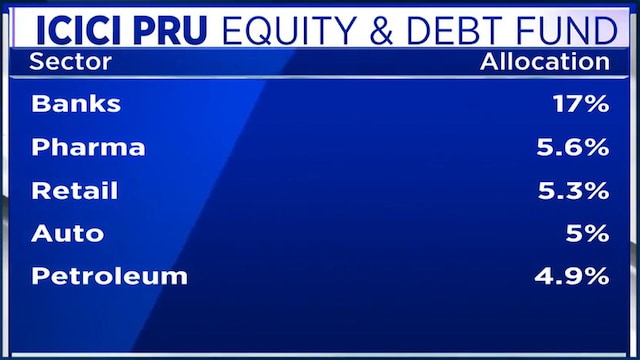 Avoid chasing AI-linked themes
Naren acknowledged that AI-related infrastructure, industrial and power companies have delivered strong returns but warned investors against chasing valuations.
He said these stocks could face pressure if the global AI investment cycle slows.
Gold belongs in portfolios, not as standalone ETFs
Naren said gold continues to play a role in diversification but advised against investing in standalone gold and silver ETFs.
He said investors who rushed into gold and silver ETFs earlier this year ignored asset allocation principles and suffered losses after prices corrected.
Multi-asset strategy remains the preferred approach
Naren reiterated that investors should diversify across asset classes rather than concentrate on equities.
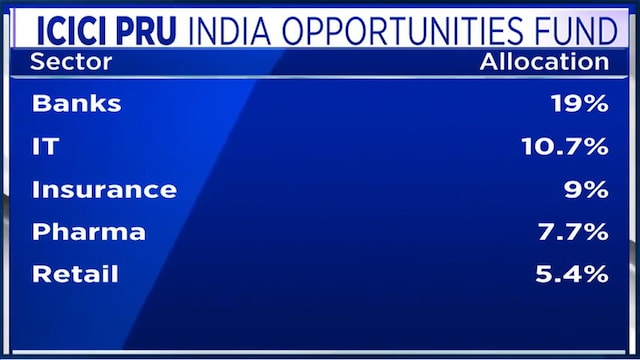
He summarised ICICI Prudential AMC’s investment framework as “AUM” — Asset Allocation, Unconstrained funds and Moderate Returns — reflecting the firm’s expectation that uncertainty around AI and global growth could continue to influence markets.
He added that the fund house’s newly launched Multi Asset Active Fund of Funds gives managers greater flexibility to allocate between equity, debt and precious metals based on long-term opportunities rather than recent performance.
For the full interview, watch the accompanying video

Catch all the latest updates from the stock market here