
On one of the world’s most isolated islands, survival is usually left to seabirds, seals and native plants. Yet for nearly a century, another unlikely resident endured harsh winds, freezing rain and a sparse diet. Their story began as a failed farming experiment and ended in a rescue mission that preserved a bloodline on the brink of extinction.According to the New Zealand Journal of Ecology, in the late 19th century, nine cattle were introduced to Enderby Island, part of New Zealand’s remote Auckland Islands, to support a pastoral venture. The farming enterprise was abandoned by 1910, leaving the animals on the storm-battered subantarctic island to survive on their own. Isolated from other cattle for more than 80 years, the herd adapted to survive on native vegetation and seaweed. By 1993, after a conservation-led eradication programme, only one adult cow, known as Lady, and her calf remained alive. Lady ultimately became the basis for saving the Enderby cattle breed from extinction.A forgotten herd in one of the world’s harshest environmentsNew Zealand Journal of Ecology also notes that Enderby Island lies about 465 kilometres south of New Zealand’s South Island, in a subantarctic environment exposed to harsh weather and limited food. Cattle were reintroduced between 1894 and 1896 as part of a short-lived farming venture, but the enterprise failed, and the animals were left to fend for themselves. The herd reached about 100 animals before settling at roughly 35 to 60 for much of the latter half of the 20th century. Long isolation produced a small, hardy and distinctive population that drew conservation interest when eradication plans were announced.By the 1980s, however, the cattle presented a conservation dilemma. Enderby Island had become an important refuge for rare native plants, seabirds and the endangered New Zealand sea lion. The Department of Conservation decided that introduced grazing animals should be removed to allow the island’s ecosystems to recover.In 1991, when most of the herd was culled, conservationists also sought to preserve the cattle’s genetic uniqueness. Semen was collected from several bulls, but attempts to recover embryos from the cows were unsuccessful. During another expedition in 1992, conservationists found fresh hoofprints, confirming that some cattle had survived. Two animals, an adult cow named Lady and her calf, had escaped the cull. They were rescued in February 1993, but the young heifer died soon afterwards.What the island preservedThe cattle’s long isolation did more than allow them to survive without farmers. With no regular introduction of mainland animals, the herd remained a small, closed population, allowing its genetic characteristics to persist over generations. That made the surviving animals especially important when conservationists began efforts to rebuild the population after the 1991 cull.According to the Rare Breeds Conservation Society, Lady’s rescue in 1993 became critical to the survival of the Enderby cattle. After being brought to mainland New Zealand, she became the focus of a series of breeding experiments, including embryo transfer and in-vitro fertilisation. These efforts eventually produced Derby, the only purebred Enderby bull born through the programme after numerous unsuccessful attempts. When conventional reproductive methods proved insufficient to secure the breed’s future, scientists cloned Lady, producing a heifer named Elsie in 1998 and several more clones the following year. Lady’s survival therefore provided the crucial genetic link to a cattle population that had lived in isolation on Enderby Island for almost a century.
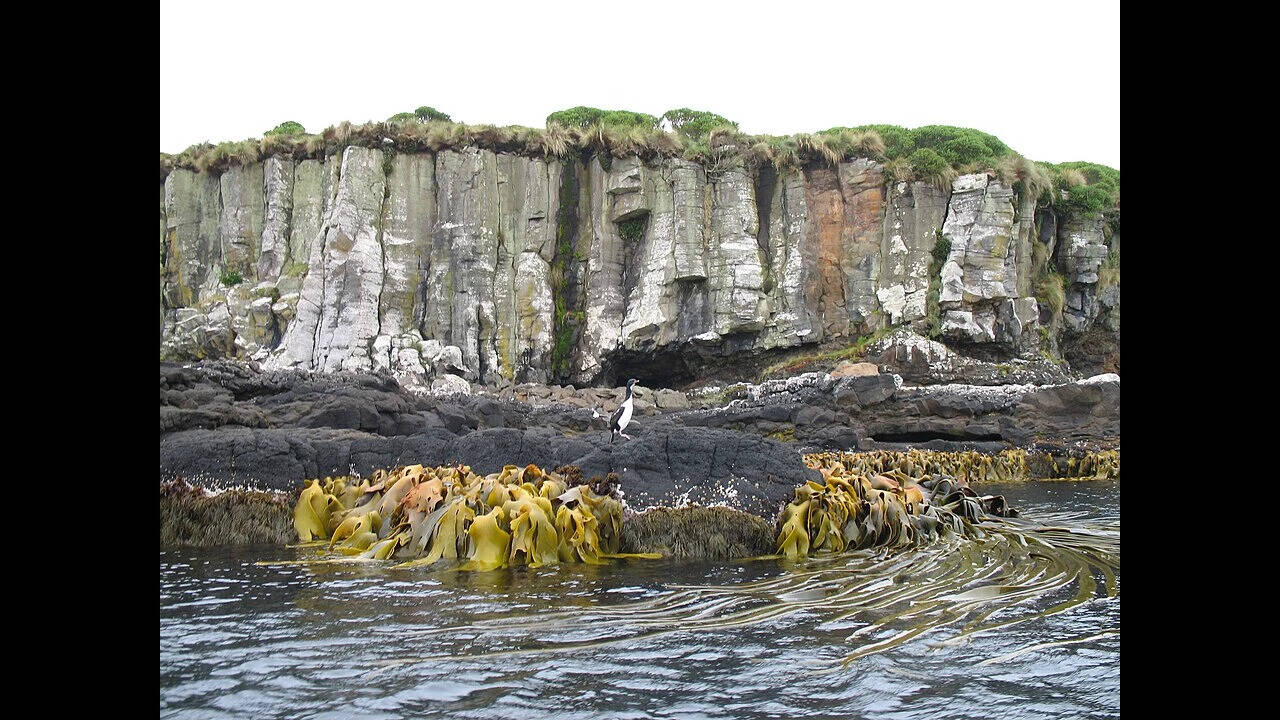
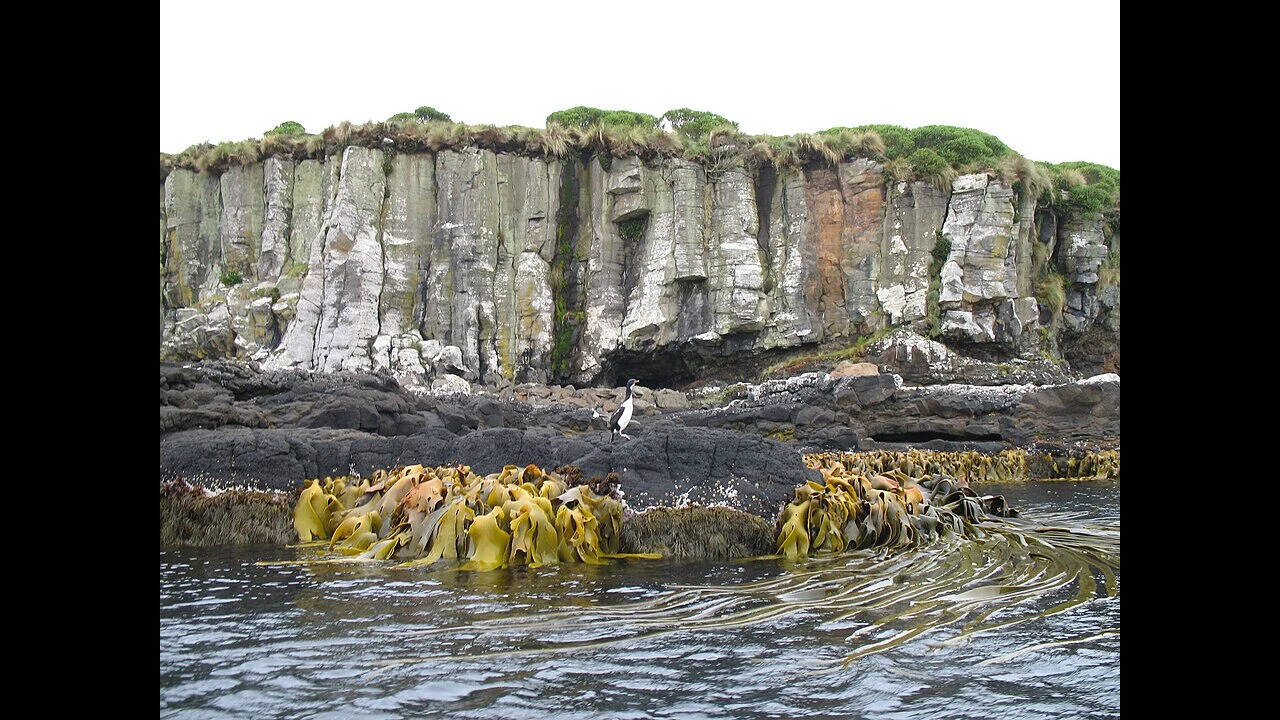
A view of the Enderby Island coast. Image Credits: Wikimedia Commons.
A conservation story with two endingsThe New Zealand Journal of Ecology also notes that eliminating the grazing herd allowed native vegetation to recover rapidly, benefiting several endemic plant communities and improving habitat for native wildlife. The ecological recovery was part of a broader restoration programme that also removed rabbits and mice, helping restore one of New Zealand’s most important subantarctic ecosystems.At the same time, the rescue of Lady ensured that the cattle themselves did not vanish completely. What had once seemed a conflict between species conservation and livestock preservation ultimately became a story of both ecological restoration and genetic conservation. The island regained its native ecosystems, while the cattle continued to survive through carefully managed breeding programmes on the mainland.Enderby cattle remain among the rarest cattle breeds in the world, kept alive by a few farmers and conservation societies. The breed is a reminder that biodiversity is not limited to wild animals. Domestic animals can also carry biodiversity, shaped by long geographical and environmental isolation.