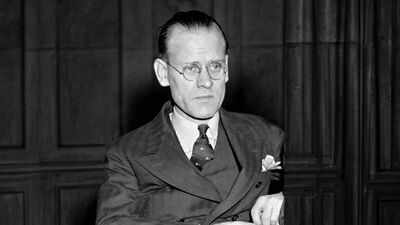
In 1921, a 14-year-old boy working in an Idaho potato field imagined something almost impossible: sending pictures through the air in the same way radio carried sound. His name was Philo Farnsworth, and the vision he had would eventually lead him towards electronic television. Farnsworth believed pictures could be transmitted as waves, an idea that challenged many engineers at the time. The road from that sudden insight to a working television was long and difficult. After his father died, Farnsworth took a job delivering radios in Salt Lake City to help support his family. He soon found investors willing to back his plans and established a laboratory in Los Angeles. There, he worked on technology that could turn an image into a stream of electrons and then turn that stream back into a picture. His dream would eventually draw the attention of Hollywood and radio companies.
How a teenage vision in a potato field sparked electronic television
In 1921, Farnsworth was 14 and working in a potato field in Idaho when he had a vision. He imagined sending pictures through the air as waves, much like sound waves travelled for radio. The idea became the foundation for his pursuit of electronic television. Many engineers believed such a feat was impossible. Farnsworth, however, remained convinced that his idea could work. His vision centred on finding a way to send pictures through the air. That moment in the field became the starting point for an effort to turn a teenage insight into working technology. His story, documented by PBS American Experience, shows how a young inventor’s ambition could challenge ideas about what technology could achieve.
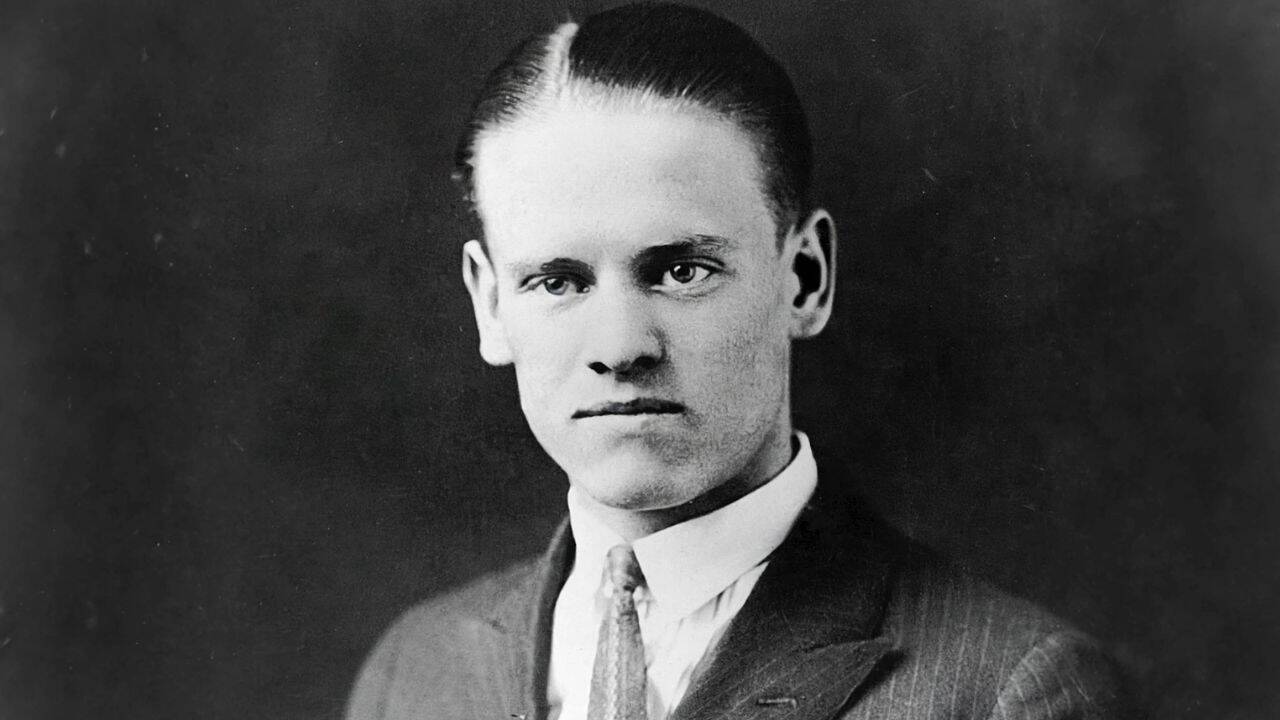
PC: Wikipedia
From a teenage idea to a serious experiment
Farnsworth’s path changed after his father died in 1924. He took a job delivering radios for a furniture store in Salt Lake City to support his family. Yet he remained determined to develop electronic television. Within a year, he persuaded two California businessmen, George Everson and Les Gorrell, to invest their life savings in his project. They provided $6,000 for him to build a prototype. Farnsworth established a laboratory in Los Angeles and focused on two pieces of technology. One was a camera tube that could turn an image into a stream of electrons. The other was a television tube that could turn that stream into a picture. His project was moving from an idea towards a working system.
How Farnsworth’s invention caught Hollywood and RCA’s attention
After another 18 months of work, Farnsworth’s creation produced an image the size of a postage stamp. The result attracted attention quickly. Hollywood became interested in the inventor who might challenge cinema. His investors remained nervous because moving the prototype forward would require more money. They considered selling the idea for a modest profit. Farnsworth’s invention was attracting attention from RCA (Radio Corporation of America), whose president, David Sarnoff, wanted to control emerging television technology. In 1930, RCA sent Vladimir Zworkin to Farnsworth’s West Coast laboratory to investigate his work. Zworkin was developing electronic television too, and his visit brought the inventor’s work into contact with a company. The meeting helped set the stage for a struggle over television’s future and Farnsworth’s place in it.
Farnsworth won the patent battle but faced a wartime setback
The conflict between Farnsworth and RCA moved beyond laboratories and into the courts. Farnsworth held more than a dozen television patents, while RCA was pursuing its own television technology. The dispute continued for years. In 1939, the courts sided with Farnsworth in the patent battle, forcing RCA to pay royalties to an inventor for the first time in its history. Farnsworth had only seven years before his patents expired, so he worked to develop his invention. Just as television was starting to reach more people, the Second World War brought another setback for Farnsworth. The government stopped commercial television sales as part of the war effort.