
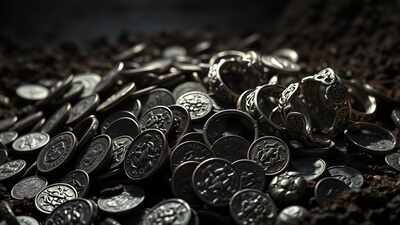
North Yorkshire boasts vast expanses of beautiful, rolling land, an environment that most consider ideal for the weekend getaway. It was in September 2007 when David and Andrew Whelan, two brothers, decided to spend an afternoon in the fields of Harrogate, equipped with only metal detectors and some determination. These two brothers did not have the intention of making any history; they were simply having fun doing something that rarely produces much besides rusty nails and soda cans. It was during this afternoon that they received a sudden signal from their equipment.They began to dig, expecting a common find. Instead, they hit something solid and metallic. As the dirt fell away, they realised they had stumbled upon a gilded silver vessel, packed to the brim with ancient wealth. This was the birth of the discovery now known as the Vale of York Hoard. It was a cache of Viking riches so significant that it would eventually be hailed as one of the most important finds of its kind in over a century and a half.A global fortune in a single potWhen experts finally opened the vessel under laboratory conditions, they were stunned by the sheer diversity of the items inside. According to the research featured in Beyond Jorvik: The Vale of York Hoard and the Viking World by the Yorkshire Museum, the hoard was a miniature map of the 10th-century world. It contained over 600 coins, several solid silver arm rings, and fragments of bullion. The silver did not just come from local Anglo-Saxon kingdoms; it came from as far away as Samarkand in modern-day Uzbekistan, North Africa, and mainland Europe.The way in which the treasure had been packaged told so much about an always mobile society. According to the study of The Vale of York Viking Hoard from the York Museums Trust, the objects had been nicely packaged in a silver gilt bowl which originated from either northern France or Germany. From the combination of Islamic dirhams and the Christian coins, it can be established that the Vikings were not only raiders but rather experienced international traders who traded between the East and the West.
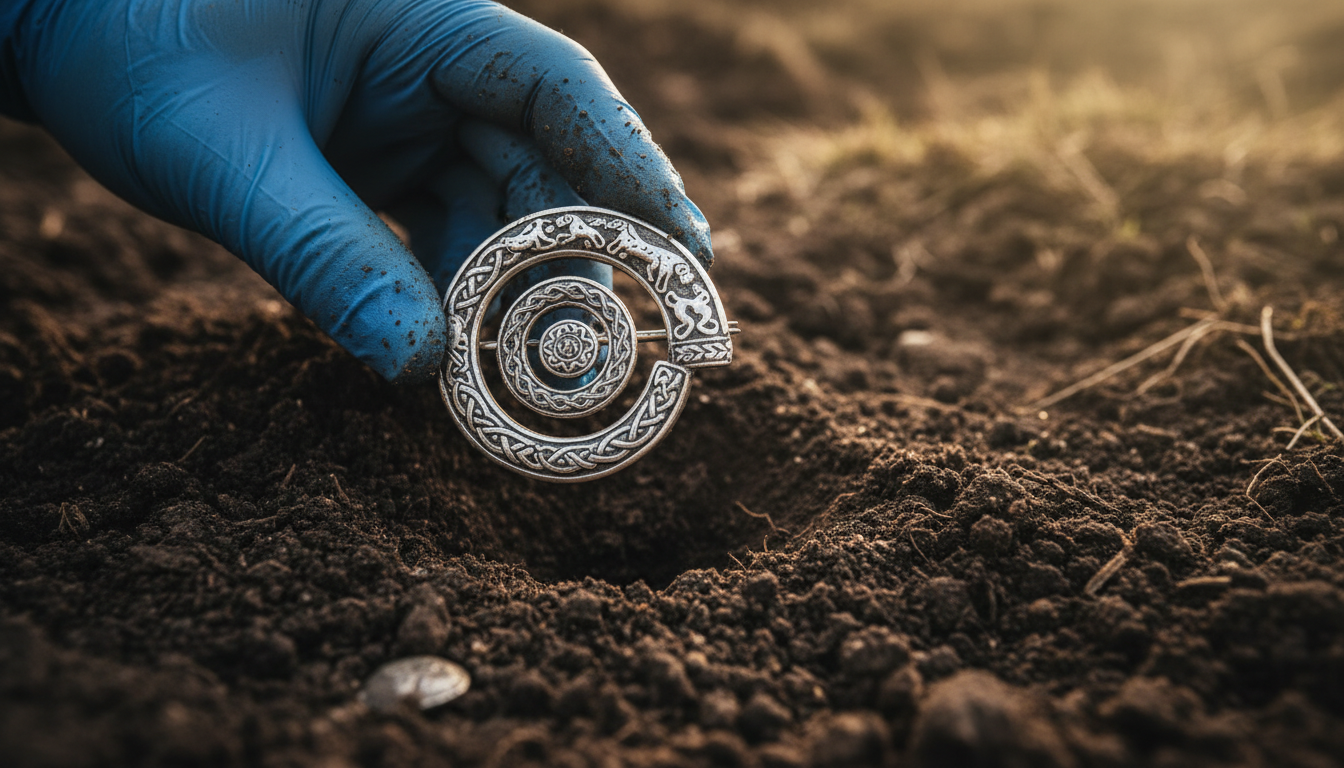
It shows Vikings were skilled traders, not just raiders. The find offers a glimpse into a turbulent past and highlights the rich history beneath our feet. Image Credits: Google Gemini
For historians, the conservation of the hoard seemed nothing short of divine intervention. By having the wherewithal to cease digging and bring in the professionals, the Whelans ensured that all the information about the find was preserved. Archaeologists were able to ascertain how the silver coins were deposited, revealing that they were hurriedly buried amid times of severe political unrest in Northern England. The hoard is a snapshot of panic and luck left by an individual who clearly intended to return for their silver but never had the chance.Human touch under the soilIt’s hard not to identify with the story of the Vale of York Hoard. While many view history as something contained within books, there is also much to be learned from what lies right below our feet. The farmland near Harrogate appeared to be just another patch of dirt, concealing secrets that had lasted for centuries beyond the life and death of entire civilisations. Not only did it create a sense of pride in the two amateur metal detector enthusiasts, but it also demonstrated that historical artefacts lie waiting for those curious enough to unearth them.It also changes our stereotypical view of the Vikings as nothing but barbaric. This can be seen from the quality of work that goes into the arm rings and the detail in the coins, indicating that their culture had an appreciation for beauty and trade as well as travelling. Each piece of silver was currency that could then be broken down into “hacksilver” and used to purchase other items, a system that actually works while travelling, even without banks. Just looking at the pieces now, one can envision the first owner counting his fortune amidst flickering firelight.The Vale of York Hoard is now one of the highlights of the Yorkshire Museum, attracting people from all around the globe. The artefact serves as a reminder that there are countless untold stories underlying modern civilisation. The discovery has inspired a great number of enthusiasts to search through the land with an even closer look, always ready for their metal detectors to give out a signal leading to a piece of history, a thousand years old. For the people of North Yorkshire, the artefact has brought a feeling of wonder to their soil.