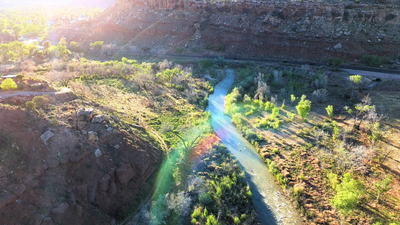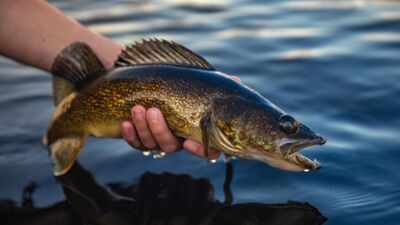
Scientists removed about 285,000 warm-water fish from a Wisconsin lake over four years in an attempt to help its declining walleye population recover. The large-scale experiment reduced several fish species and was followed by a sharp rise in yellow perch. However, it did not restore natural walleye recruitment.According to Wiley online library, the experiment was carried out at McDermott Lake in Iron County, northern Wisconsin, between 2018 and 2021. The lake covers about 33 hectares. Around 285,100 fish, weighing about 3,190 kg in total were removed from the lake. The fish belonged to a group called centrarchids, which includes species such as bluegill, black crappie, largemouth bass, pumpkinseed and rock bass.Scientists were testing whether removing these fish could reduce competition and predation faced by young walleye. Walleye are an important game fish in north-central North America and support recreational and tribal fisheries. According to the study published in Fisheries Management and Ecology, walleye abundance in Wisconsin had fallen by about 36% over the previous two decades, with failures in natural recruitment identified as a key problem.The results, however, showed that reducing centrarchids alone was not enough to bring back naturally produced young walleye. No age-0 walleye were collected during the study, meaning there was no detectable natural restoration in either McDermott Lake or the reference Sandy Beach Lake.
The fish removal experiment
The experiment focused on the idea that growing numbers of warm-water fish could be affecting walleye. Centrarchid numbers had increased in some areas at the same time that walleye populations have declined. Researchers suggested that these fish could compete with or prey on walleye, particularly during their early life stages.Both McDermott Lake and Sandy Beach Lake had previously supported natural walleye recruitment. However, natural recruitment had last been detected in the two lakes in 2003–2004. Both lakes had also experienced declines in adult walleye numbers and were receiving stocked walleye fingerlings.To remove the centrarchid, researchers used fyke nets, mini-fyke nets, cloverleaf traps and boat electrofishing. The effort was extensive. Across the four years, the team used 107 hours of electrofishing, 717 fyke-net nights, 908 mini-fyke-net nights and 6,942 cloverleaf-trap nights.Bluegill accounted for the largest number of fish removed with 197,152 individuals. Largemouth bass followed with 35,168. Black crappie, green sunfish, pumpkinseed, rock bass and smallmouth bass were also removed.Black crappie relative abundance fell by about 83%, while rock bass declined by about 75%. Overall, the relative abundance of most centrarchid species fell by about 74% during the study.
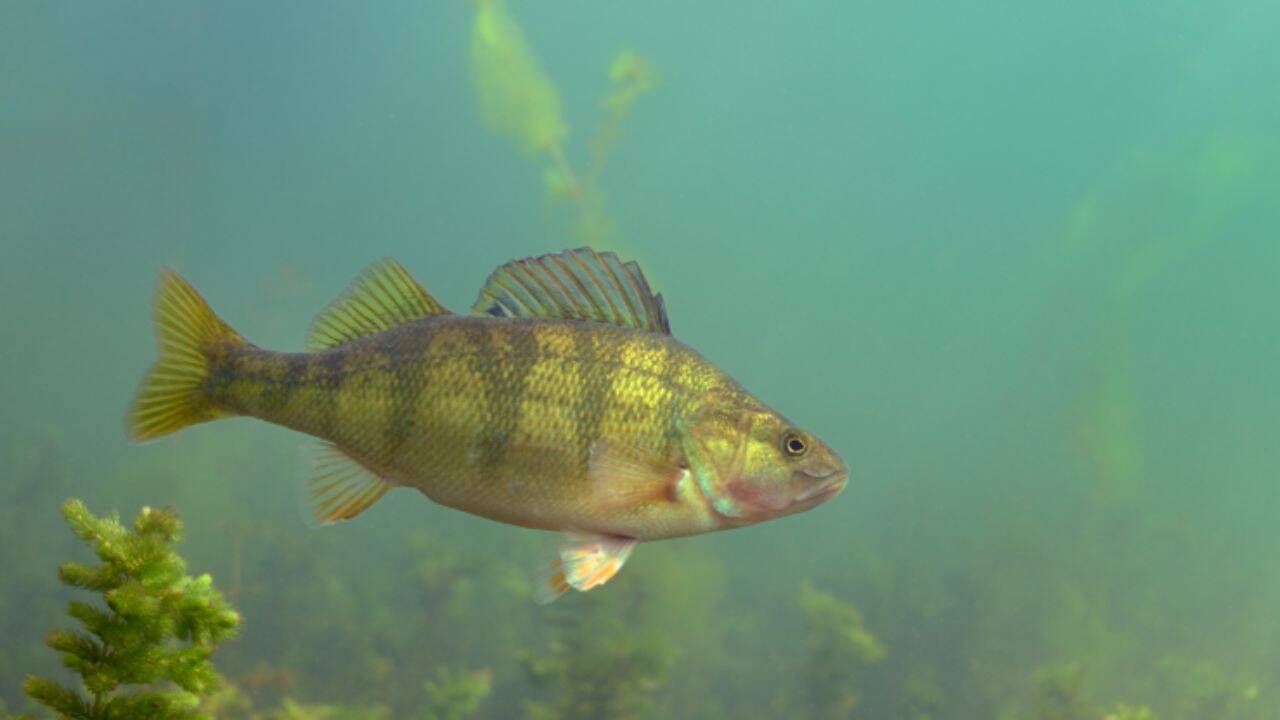
Yellow perch are an important prey fish for walleye.
Yellow perch numbers surge
While the targeted fish declined, another species showed a striking increase. Yellow perch became much more abundant in McDermott Lake after the removals.Their catch per unit effort increased by about 788%, rising from roughly 8.9 fish per net to 79.11. Their average length also increased by about 18%, from 156 mm to 184 mm.The increase was much smaller in the reference lake. Yellow perch abundance there rose by about 116%, but the change was not statistically significant. Their average length in that lake fell slightly.Researchers said the response in McDermott Lake may have been linked to reduced competition or predation after the centrarchids were removed. However, they also noted that a particularly strong year class of yellow perch could have contributed to the increase.Yellow perch are also an important prey fish for walleye. Their abundance has been linked with walleye recruitment in other research. But despite the strong yellow perch response in McDermott Lake, the experiment did not produce detectable natural walleye recruitment.
Walleye incresed, then fell
Adult walleye numbers in McDermott Lake did show a temporary increase. After two years of fish removal, the estimated adult population reached about 120 in 2020.That increase did not continue. By 2021, the estimated adult walleye population had fallen to about 30–40, returning to levels seen before the removal programme.The researchers said the 2020 increase could not be linked to natural recruitment and stocked walleye from earlier years may have contributed to the temporary rise.Both lakes received extended-growth walleye fingerlings in 2017, 2019 and 2021. McDermott Lake received about 840 fish during each stocking, while Sandy Beach Lake received about 1,110. But no age-0 walleye were found during the study’s recruitment surveys, because these surveys were conducted before the annual stocking, any age-0 walleye found would have been naturally produced.