
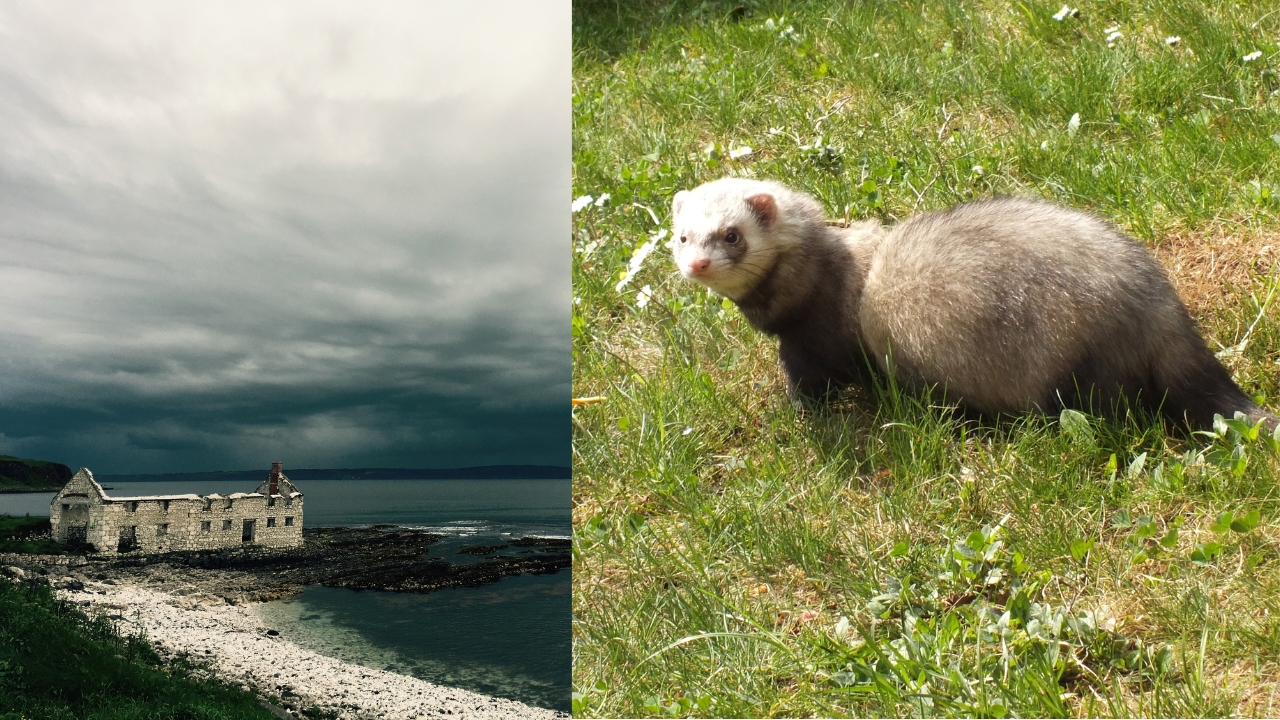
Ferrets were released on Rathlin Island in the mid-1980s, off the north coast of Northern Ireland, to deal with the island’s rabbit population. The ferrets established a feral population and, over the following decades, became predators of the island’s nesting wildlife. By the 2020s, conservationists were trying to remove them from an island that supports Northern Ireland’s largest seabird colony, with more than 250,000 seabirds including puffins, razorbills, guillemots and Manx shearwaters. The Rathlin LIFE Raft project states that ferrets were released in the mid-1980s and later became one of the invasive non-native predators threatening the island’s wildlife.The problem was particularly serious because Rathlin is an important breeding site. Its cliffs, slopes and coastal habitats support several seabird species in internationally important numbers. Ferrets preyed on eggs, chicks and adult birds. RSPB NI documented one case in which a single ferret killed 27 adult birds in two days. The impact was not limited to seabirds. Conservationists also identified risks to ground-nesting birds and other native wildlife. By then, the animals originally brought in as a form of rabbit control had become part of a much larger conservation problem.
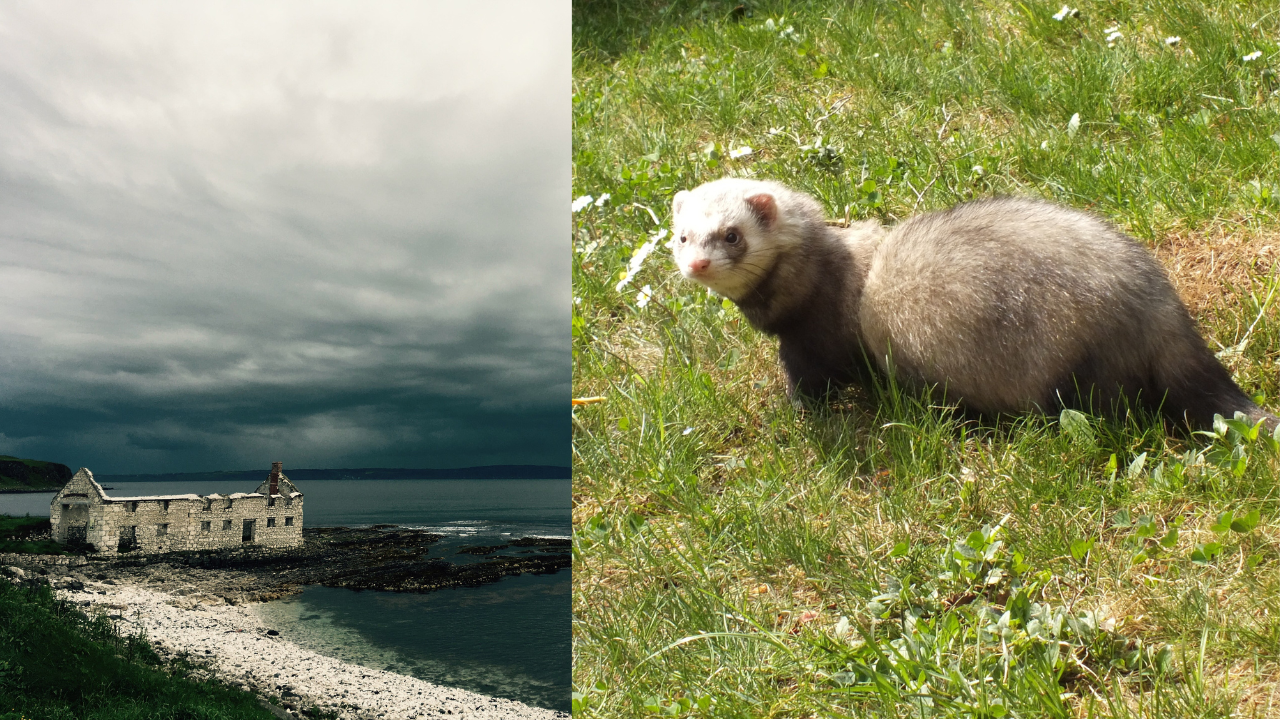
Ferrets were released on Rathlin Island in the mid-1980s, off the north coast of Northern Ireland, to deal with the island’s rabbit population | Wikimedia Commons
A predator introduced to control another problemThe history of Rathlin’s ferrets illustrates a familiar difficulty in wildlife management, which is introducing one species to deal with another can produce consequences beyond the original target. Once ferrets became established on the island, they had access to vulnerable nesting sites and a range of potential prey. The feral population persisted unlike a short-term rabbit-control operation. The island supports breeding puffins and has the largest breeding population of guillemots in the UK and Ireland, according to the RSPB. Razorbills, fulmars, shags and other species also breed there. The Department of Agriculture, Environment and Rural Affairs separately identifies Rathlin’s coastline as an important nesting area, with internationally important numbers of guillemots, razorbills and kittiwakes, while Northern Ireland’s largest puffin population breeds among the island’s cliff slopes.Removing the ferrets, however, was far more complicated than simply trapping animals in one small reserve. Rathlin is inhabited, has varied terrain and includes difficult coastal cliffs. The ferret population had also been present for decades. Any eradication effort had to operate across the island while taking account of residents, livestock and other wildlife.The five-year effort to remove themIn 2021, RSPB NI and its partners began the LIFE Raft, or Rathlin Acting for Tomorrow, project. Its purpose was to remove ferrets and brown rats and improve conditions for the island’s native wildlife. The project brought together RSPB NI, the Rathlin Development & Community Association and other partners, including Northern Ireland’s Department of Agriculture, Environment and Rural Affairs. RSPB reports that teams used techniques including traps, cameras, thermal drones and a specially trained detection dog named Woody. Work also depended on the participation of the island’s community, since the operation was being carried out across a permanently inhabited island. Ferret removal was carried out alongside monitoring intended to establish whether any animals remained after the main trapping phase. The work therefore involved both removing known animals and searching areas where survivors could remain undetected.That distinction mattered, since catching most of an invasive population is not the same as proving eradication. Conservation teams had to continue searching for signs of the last surviving individuals before declaring the island ferret-free. RSPB said the project had to adapt internationally used eradication methods to Rathlin’s circumstances, including its status as an inhabited island with complex terrain. Even a small surviving population could undermine the operation if the animals continued breeding, so post-removal monitoring became a critical part of the project.
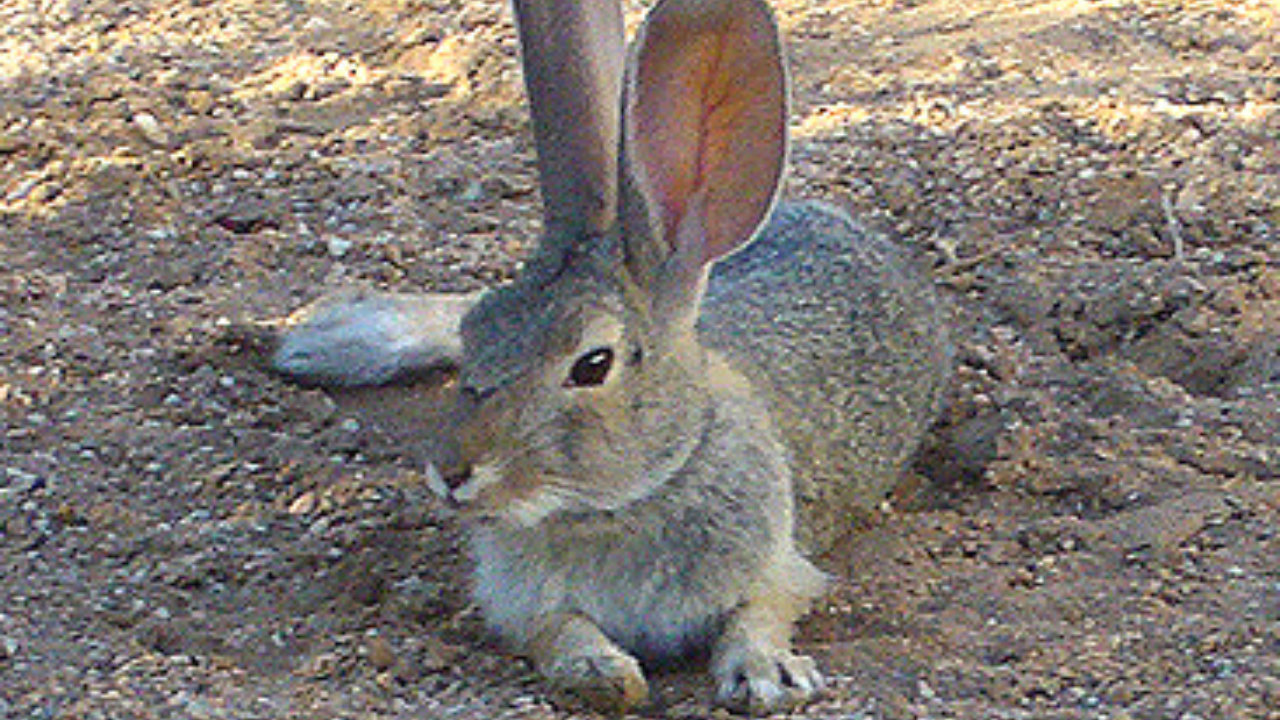
Rabbit | Wikimedia Commons
Rathlin was declared ferret-free in 2026On March 23, 2026, RSPB NI announced that Rathlin Island had been declared ferret-free. The organization described it as the first successful eradication of a feral ferret population from an inhabited island anywhere in the world. The project had begun five years earlier and focused on a predator that had been present on the island since the 1980s. The first signs of recovery are already being monitored, although the long-term effects will take time to assess. RSPB reported encouraging changes after the ferret eradication, including the return of breeding Manx shearwaters. The organization’s March 2026 announcement said Manx shearwaters had been recorded breeding on Rathlin for the first time in 20 years. Continued monitoring and biosecurity measures are now intended to prevent ferrets from returning.The work on invasive predators is not finished, since LIFE Raft has also targeted brown rats, another non-native species that threatens eggs and young birds. RSPB says the focus has shifted toward continued monitoring and biosecurity after the ferret eradication, while work connected to the rat removal continues.