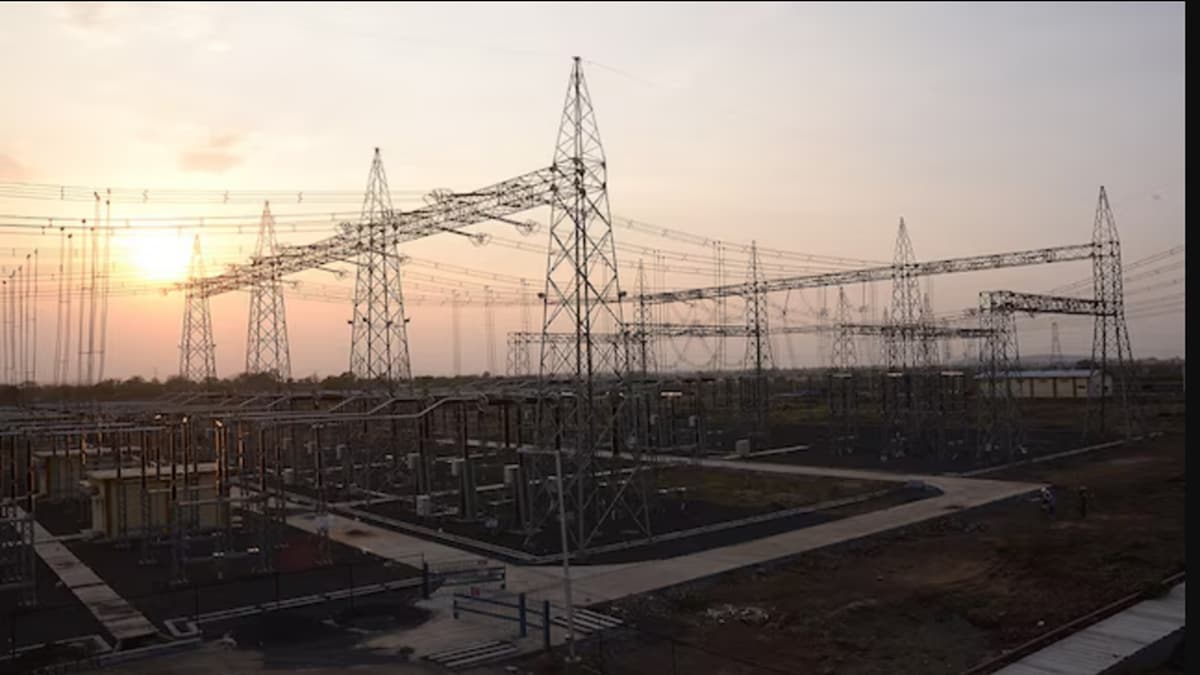
Approval has been given for up to 600 MW of export through the Muzaffarpur-Dhalkebar 400 kV D/C line and up to 54 MW through the Tanakpur-Mahendranagar 132 kV S/c line. The quantum of power to be exported from January 2027 will be reviewed in December 2026.
The recent floods had caused significant damage to hydropower infrastructure in Nepal, reducing its domestic power generation capacity and creating an additional requirement for electricity. The approval aims to help Nepal meet its power requirements and further strengthen the long standing energy cooperation between the two countries.
On 31st August, sources had told CNBC-TV18 that 550 MW of power generation capacity is estimated to be damaged in Nepal, with Nepal’s export of electricity to India having been reduced by about 400 MW due to the hit on its generation capacity.
Sources added that India will provide power as per the needs of Nepal, with currently the requests from Nepal to export power with effect from September 2026 being processed. Usually, Nepal seeks power from India from October.
As of 2024, hydroelectric power projects with an aggregate capacity of 15 GW were under construction across India. The large hydro capacity is likely to increase from 50.35 GW in October 2025 to 67 GW by FY 2031-32.
Policymaking for large hydel projects over 25 MW capacity is undertaken by the Power Ministry, while policymaking for small hydel projects below 25 MW capacity is handled by the Ministry of New and Renewable Energy (MNRE).As per assessment by the Hydro and Renewable Energy Department (HRED), the estimated potential for small hydel power projects is 21 GW from 7,133 sites across India. Around half of the potential is in the mountainous areas of Jammu and Kashmir, Himachal Pradesh, Uttarakhand, and Arunachal Pradesh.
Also Read: South Korean President Lee hits new approval low as housing discontent grows
(Edited by : Juviraj Anchil)