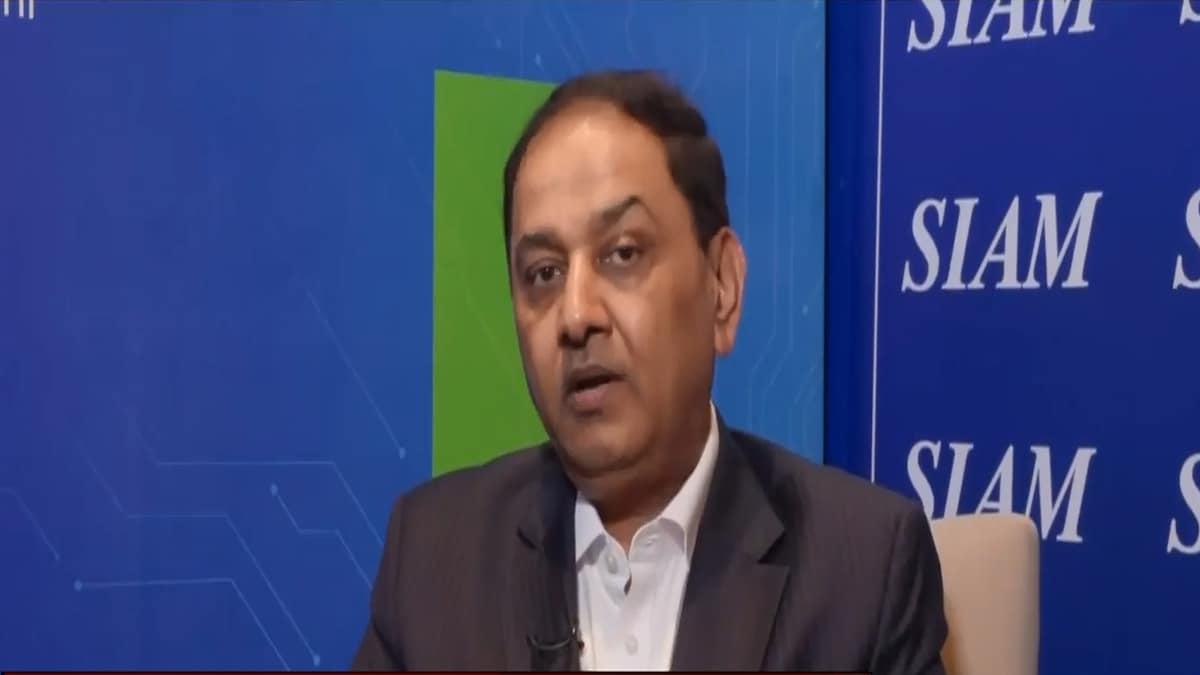
Agarwal said the strength of the market in the first quarter, despite challenges such as diesel availability and price hikes, showed that the current demand cycle has a fundamental element to it.
“The last six months have proven that that is for real, and India needs a lot of new trucks,” Agarwal said.
He said the second quarter has been even stronger as some of the disruptions seen in the first quarter have eased. According to Agarwal, Ashok Leyland’s August numbers showed more than 40% growth.
However, he cautioned against reading too much into the sharp growth rates as the industry is benefiting from a lower base in the first half of the year. The commercial vehicle market had not grown in the corresponding period last year, while the second half saw stronger growth.
Even after adjusting for this base effect, Agarwal expects demand to continue growing.
“If you take away the low-base versus high-base effect, I think the demand is going to grow even in the future,” he said.
Ageing fleet creates replacement opportunity
Agarwal said the biggest tailwind for the commercial vehicle industry is the need for new trucks and buses. The existing fleet is ageing, with vehicles now getting older than 10 years, while infrastructure activity and the expansion of roads and highways are adding to the need for transportation capacity.
“I think the real tailwind is that India needs a lot of trucks and buses,” he said.
According to Agarwal, this is not a short-term phenomenon and is likely to continue for a long period as infrastructure development gathers pace and fleet replacement picks up.
He said the industry would, however, need to keep a close watch on interest rates, with inflation remaining a concern.
Commodity costs weigh on profitability
The strong demand outlook comes against a sharp rise in commodity costs, which Agarwal described as one of the biggest challenges facing the industry.
“I have been in the industry for the last 30, 31 years, but such a fast increase and such a high increase in commodity costs, I have not seen,” he said.
The increase in input costs is putting pressure on profitability, but Agarwal expects the situation to become more manageable over the next few quarters. He expects commodity prices to start neutralising around the third or fourth quarter of the year.
Ashok Leyland is responding through three measures: passing on some of the higher costs to customers, driving cost savings internally and focusing on premiumisation.
The company is looking to raise prices to the extent possible without hurting market momentum. At the same time, it is running cost-saving initiatives and focusing on products that offer customers better mileage and reliability.
Agarwal said customers would be willing to pay more where trucks deliver greater value, helping the company offset some of the pressure on margins.
Interest rates remain a key risk
Despite the pressure from input costs and global headwinds, Agarwal said the overall outlook for the commercial vehicle industry remains positive.
The ageing fleet, infrastructure activity and replacement demand are expected to support the market, while easing fuel-related disruptions have provided an additional boost in recent months.
“We just have to watch for interest rates, because inflation is a little bit concerning right now. But other than that, I don’t see anything that can put a drag on the commercial vehicle industry,” Agarwal said.