
Indian banks could see an improvement in earnings over the next 12 months, supported by stable asset quality, some relief on margins and a more balanced pace of credit growth, according to Prakhar Sharma, equity analyst at Jefferies.
“From a fundamental perspective, we are of the view that credit growth is at a peak; it will normalise downwards,” Sharma said. As credit growth moderates, liquidity pressures could ease, while slower growth in lower-margin businesses could also support profitability. “I would actually be happy if credit growth actually moderates a little bit,” he added.
Sharma said a period of higher interest rates could provide some support to banks’ net interest margins and earnings over the next few quarters. Jefferies expects a combination of balanced balance-sheet growth, some margin improvement and stable credit costs to support the sector.
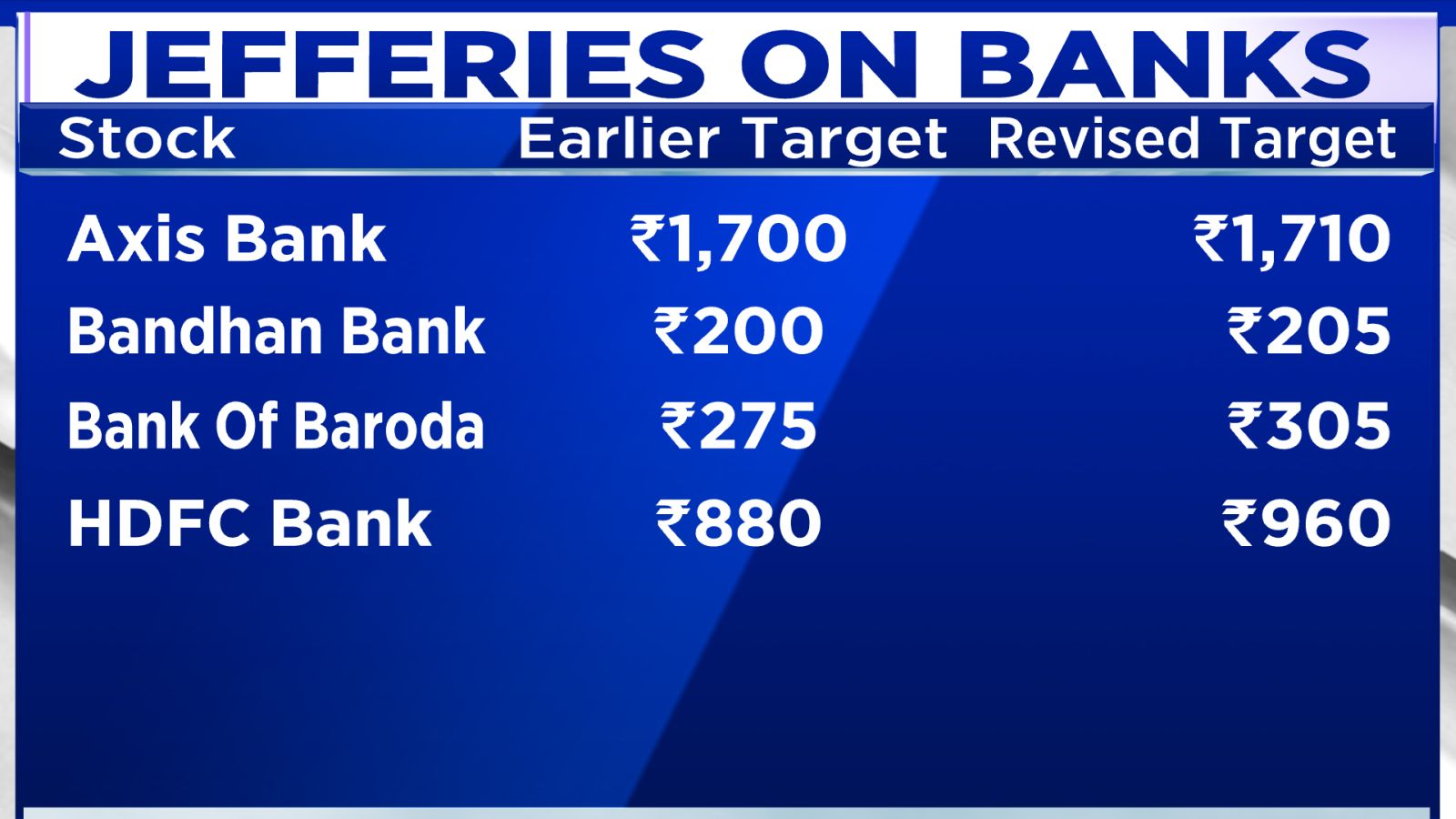
Large banks, in particular, could benefit from their relatively strong underwriting standards and the resilience of the domestic economy. “From a next 12-month perspective, we are looking at fairly good outcomes from core earnings growth for Indian financials,” Sharma said.
Jefferies prefers large-cap financial companies, with improving earnings momentum potentially drawing greater interest from global investors. “The ones with larger foreign shareholding and foreign acknowledgement would be the ones that will benefit more,” Sharma said.
He also sees opportunities in public sector banks (PSBs), which had underperformed the broader financial sector for much of the previous year. An improvement in bond yields and the broader interest-rate environment could support PSU banks’ profitability, with Sharma expecting these factors to help them sustain return on assets (ROA) above 1%.
Read Here | Largecap financials offer best risk-reward; IT stocks may miss foreign investor rally: Ashwini Agarwal
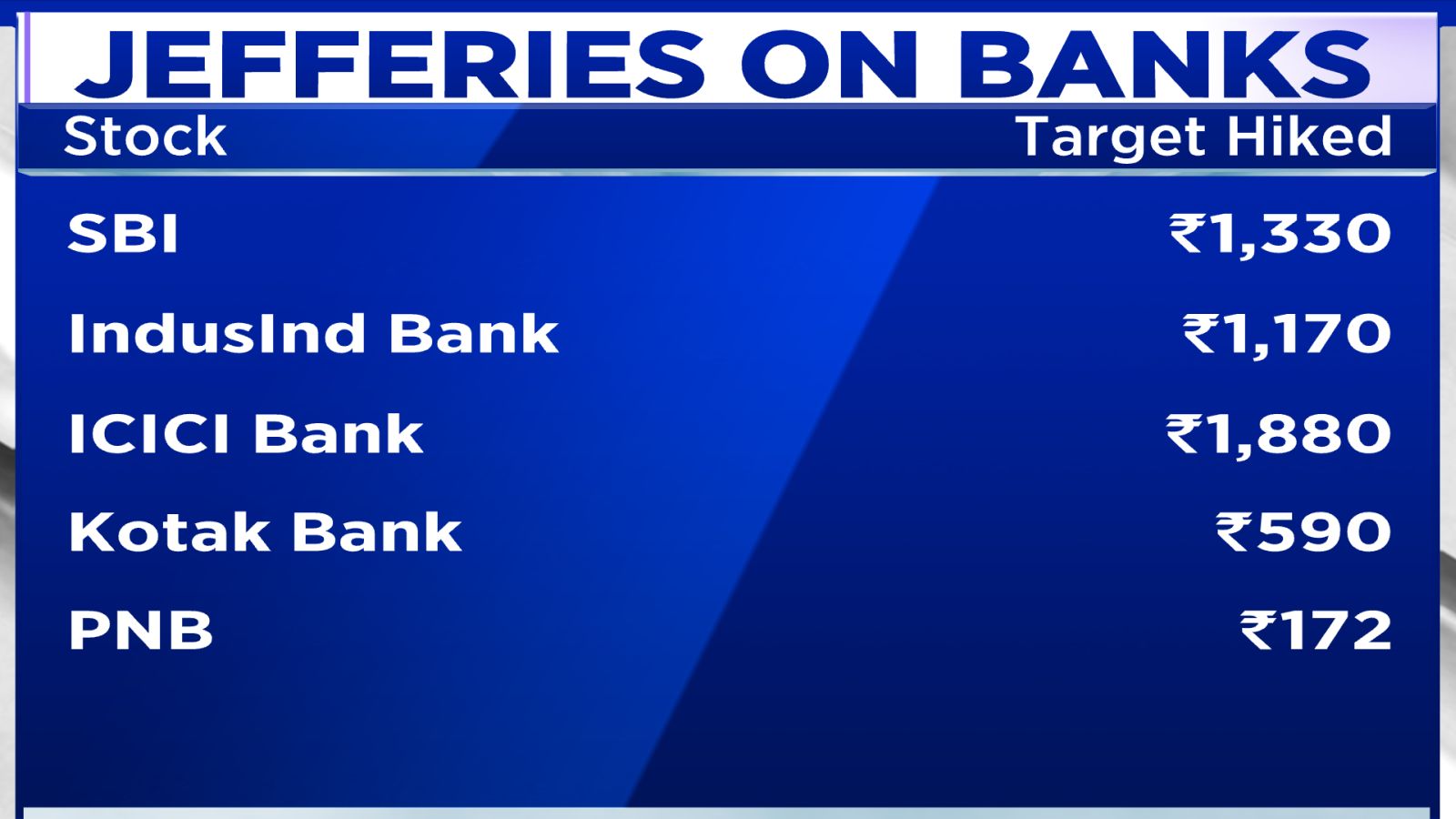
Investors, however, will continue to track the impact of the expected transition to the expected credit loss (ECL) provisioning framework, investment book provisioning requirements and upcoming wage negotiations. Sharma said these were largely known factors and that the market had already started factoring in some of their potential impact.
Sharma identified retail deposit growth and return on assets as two key factors for investors to track while evaluating banks. Lenders that can consistently grow their retail deposit base have greater flexibility to expand their lending market share.
He also highlighted the relationship between a bank’s ROA and its price-to-book valuation, noting that banks delivering stronger returns on assets generally command better valuations in the market.
While Jefferies sees opportunities across financial services, Sharma remains cautious about gold financing companies. The sharp correction in gold prices could create challenges for lenders operating in the segment, particularly those managing high growth alongside changing collateral values.
Investors, he said, will need to monitor how these companies manage the impact of changes in gold prices and collateral values.
Watch accompanying video for more

Largecap banks may lead India’s financial sector recovery, says Jefferies analyst
Follow our live blog for more stock market updates
NOTE TO READERS
Disclaimer: The views and investment tips expressed by investment experts on CNBCTV18.com are their own and not that of the website or its management. CNBCTV18.com advises users to check with certified experts before taking any investment decisions.
Indian banks set for stronger earnings as credit growth cools, margins improve: Jefferies