
Kulkarni said the shortages have emerged because changing economics and geopolitical uncertainties have made some markets less attractive for suppliers, leading several players to scale back or exit. As a result, shortages have surfaced in certain cancer treatments, including drugs used for colorectal and other cancers.
“In the short to medium term, Indian biopharma, with its sufficiently large capacity, is expected to service this demand at a reasonably healthy margins and also at a good volume base,” Kulkarni said.
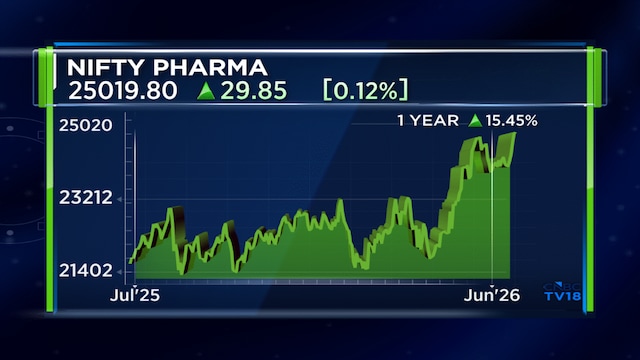
He added that the opportunity extends beyond large pharmaceutical companies. CDMOs that supply intermediates, bulk drugs and chemical ingredients used in oncology treatments could also benefit as demand moves through the supply chain. This explains why several pharma and CDMO stocks reacted positively to reports that US authorities are seeking support from Indian manufacturers.
Beyond the immediate opportunity, Kulkarni sees a much larger structural growth story for Zydus. Rising life expectancy, ageing populations and lifestyle-related illnesses are expected to increase the global burden of chronic diseases over the coming years.
“We estimated close about 100 million patients annually getting added globally to these chronic disease pools,” he said. “Indian biopharma is really geared and poised to service” this growing demand through its cost advantages, manufacturing scale and long-standing relationships with global markets.
Kulkarni also highlighted the long-term potential of GLP-1 drugs, a class of medicines used for obesity and diabetes treatment. However, he expects adoption in India to be slower than in Western markets because obesity is not yet widely viewed as a medical condition, and patient education will take time.
Watch the full conversation here

According to Bernstein, India’s GLP-1 market could grow to $1.5-2 billion over the next five to six years. Growth is likely to come from a mix of off-patent drugs, newer therapies and licensed products entering the market.
Among listed companies, Kulkarni said Lupin firms with strong capabilities across the value chain. “Key beneficiaries will be one that will hold the value chain, including Sun Pharma, Lupin, Sun Pharma,” he said, citing their scientific expertise and broad presence in the market.

Catch all the latest updates from the stock market here