
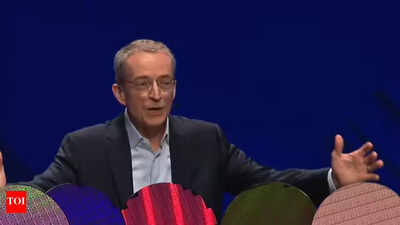
Intel’s former CEO Pat Gelsinger says he believes the chipmaker’s decline began years before he returned to lead the company in 2021. Speaking during an interview on the All-In Podcast recorded at the Raise Summit in Paris, Gelsinger said, “I think one of the fundamental things is, and as you look at the great technology companies today, they’re deeply technical.”Gelsinger argued that Intel had moved away from technical leadership before his return, saying he “was the first technical leader in essentially 15 years associated with it.” He added that major technology investment decisions should not be driven primarily by financial analysis, saying, “When you’re making these hardcore technical decisions that affect billions of dollars, you don’t do that through a spreadsheet. That’s a lousy investment unless the technology trends make it the right investment.”
Intel’s former CEO Pat Gelsinger points to leadership and capital allocation
Gelsinger said Intel’s previous leadership teams lacked the technical background to guide the company through major technology transitions.Another former Intel CEO, Paul Otellini, who led the company from 2005 to 2013, was the first non-engineer to head Intel. He was succeeded by Brian Krzanich, who worked his way up through Intel’s manufacturing operations, and later by Bob Swan, whose background was in finance, including leadership roles at eBay and HP Enterprise Services.Gelsinger also criticised the company’s capital allocation before he returned. According to Intel’s financial filings, the company returned about $79 billion to shareholders through dividends and stock buybacks between 2015 and 2020.Reflecting on that spending, Gelsinger said, “What I wouldn’t have done for another hundred billion dollars on the balance sheet?”These comments from Gelsinger come as Intel rebuilds its position. The company lost market share over the years as competitors, including TSMC, Samsung, AMD and Nvidia, expanded their positions in the semiconductor industry.The company’s shares have risen over the past year following the US government’s decision under President Donald Trump to acquire an approximately 10% stake in Intel. Nvidia also disclosed a deal to purchase more than $5 billion worth of Intel shares, giving it an approximately 4% stake in the company.During the interview, Gelsinger also discussed geopolitical risks surrounding semiconductor manufacturing in Taiwan. Referring to the potential impact of disruptions to chip production, he said, “When you turn off a fab, it doesn’t come back on for 90 days. The economic impact of a brownout of Taiwan is greater than the Great Depression in the world.”