
Karnataka Bank on Wednesday, November 18, appointed Udaya Kumar Hebbar as its Managing Director and Chief Executive Officer for a period of three years.
The bank said its Board of Directors had appointed Hebbar as an additional director and whole-time director in the category of MD & CEO and key managerial personnel. His three-year tenure will begin from the date he assumes charge, which will be separately communicated to the stock exchanges.
The appointment follows approval from the Reserve Bank of India (RBI), which conveyed its clearance through a letter dated November 16, 2026, the exchange filing stated. His remuneration and other terms and conditions will be as approved by the RBI, the lender said.
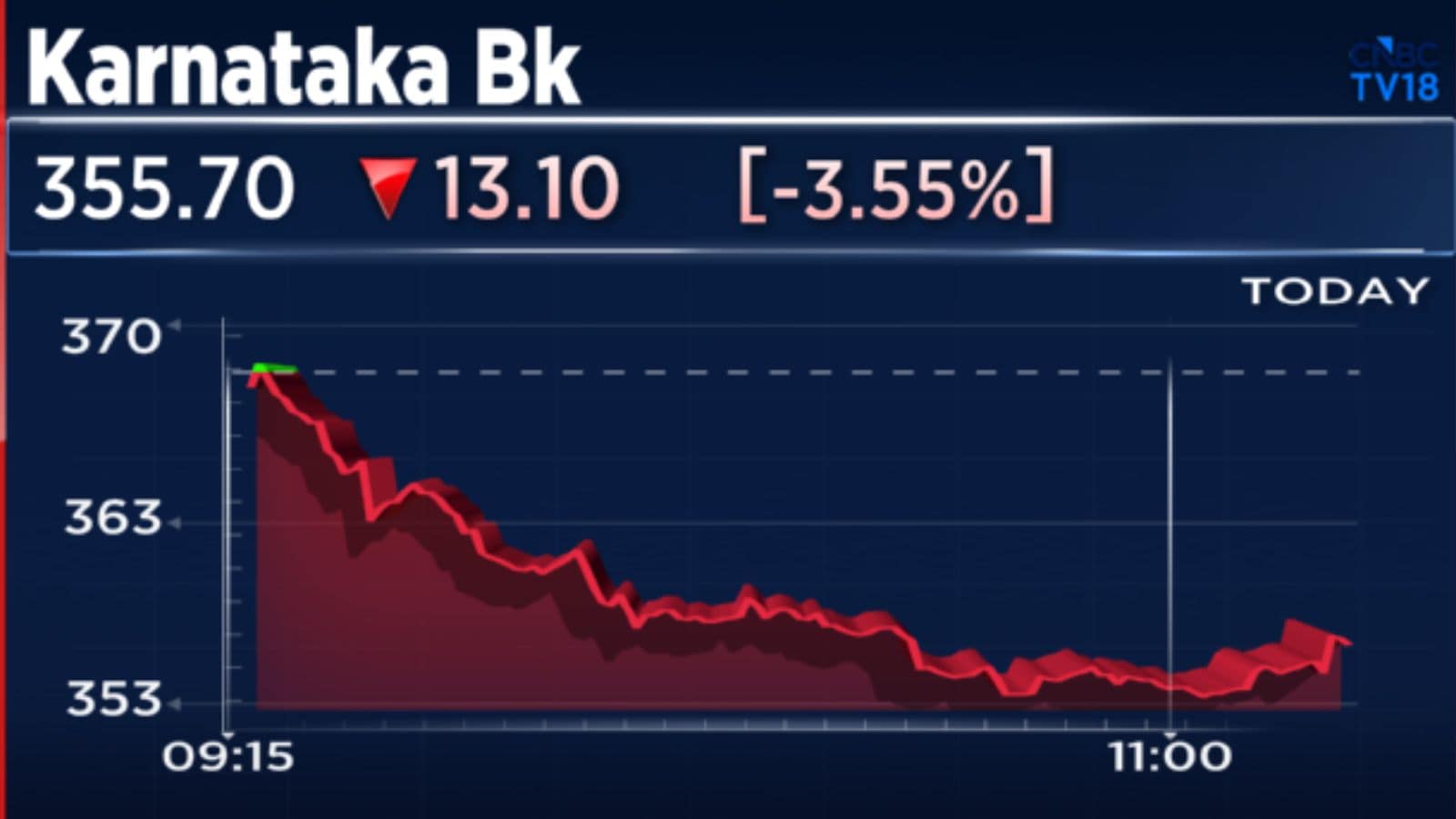
Shares of Karnataka Bank were trading 4.6% lower at ₹352 apiece at 11:44 am on Wednesday.
The stock has gained 6.8% over the past month and risen 70.3% so far this year.
Hebbar brings over 40 years of experience across commercial banking, financial services, banking operations, rural and agricultural finance, micro-banking, governance and risk management, as per filing.
He previously served as Managing Director and CEO of CreditAccess Grameen from June 2015 to June 2025, having earlier held the position of Chief Executive Officer at the microfinance lender from September 2010 to June 2015.
He has also held leadership positions at Barclays Bank PLC, where he headed commercial banking and payment operations in Mumbai for three years, and ICICI Bank, where he spent over 11 years in various banking leadership roles. Earlier, he worked with Corporation Bank for more than 10 years.
Currently, Hebbar serves as Deputy Chairman of the Supervisory Board of CreditAccess India BV, Amsterdam. He is also a non-executive nominee director at CreditAccess Grameen and CreditAccess Life Insurance, among other roles.
The Karnataka Bank said Hebbar is not related to any of its existing directors and has not been debarred from holding the office of a director by SEBI or any other authority.
Also Read: Manappuram, Muthoot Finance shares extend losses, fall up to 5% each; Here’s why