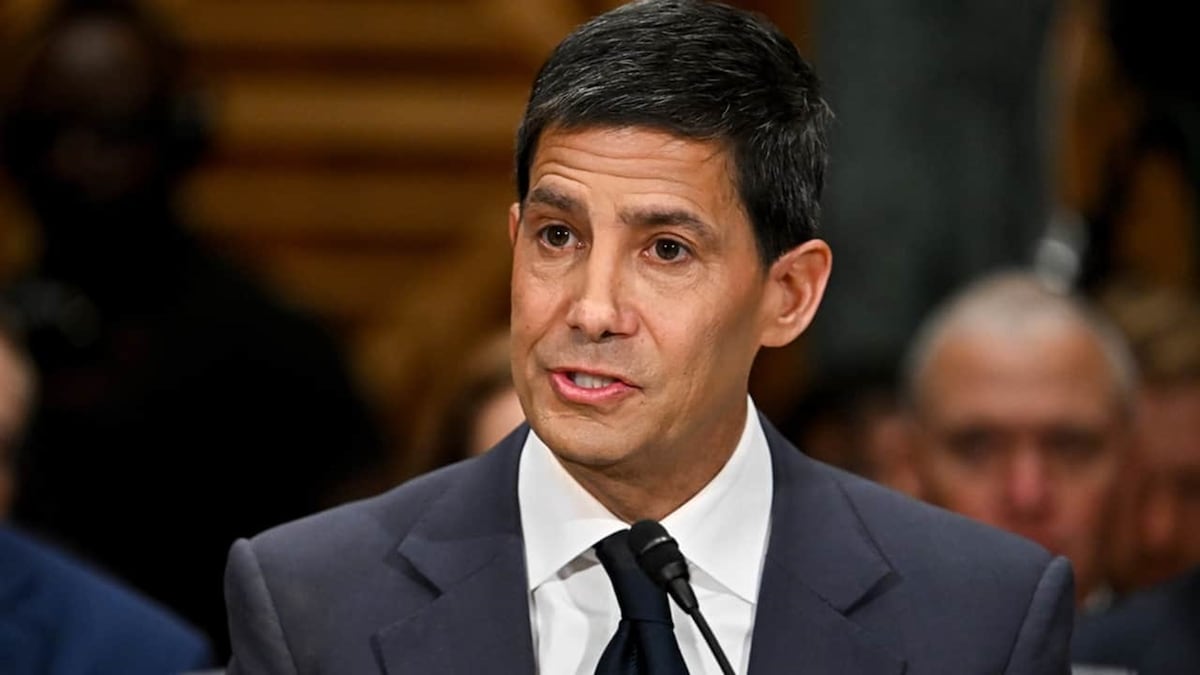
The decision was unanimous, with all 12 voting members of the Federal Open Market Committee (FOMC) backing the move. In its policy statement, the Fed said inflation remains elevated and that the latest rate increase is aimed at ensuring a quicker return to price stability. The central bank signalled that controlling inflation remains its top priority despite concerns about the impact of higher borrowing costs on economic activity.
Ahead of the decision, traders were pricing in a 92.7% probability of a quarter-point increase, according to CME Group’s FedWatch Tool, little changed from 93.5% a day earlier, underscoring the strong consensus around a rate hike.
What the Fed’s dot plot indicates
The latest projections suggest the Fed is not done yet. Most policymakers expect at least one more rate increase in the coming months, while a handful see the possibility of two additional hikes. At the same time, officials do not expect rates to rise further beyond the current tightening cycle, with modest rate cuts projected only from 2028 onwards.
The Fed also raised its inflation forecasts slightly. Officials now expect headline inflation, measured by the Personal Consumption Expenditures (PCE) index, to average 3.7% this year, while core inflation, which excludes food and energy prices, is projected at 3.4%. Both estimates are higher than the forecasts published in June.
US inflation projections
Importantly, the central bank does not expect inflation to return fully to its 2% target until 2029, highlighting the challenge policymakers face in bringing price growth under control.
The rate hike follows months of stronger-than-expected economic data. Speaking at the Jackson Hole symposium in August, Fed Chair Kevin Warsh said the US labour market remained resilient, with unemployment at 4.1%, but warned that inflation trends remained a concern. He also indicated that financial conditions were not restrictive enough to guarantee a sustained decline in prices.
For India and other emerging markets, higher US interest rates can influence capital flows, strengthen the dollar and increase borrowing costs globally.