
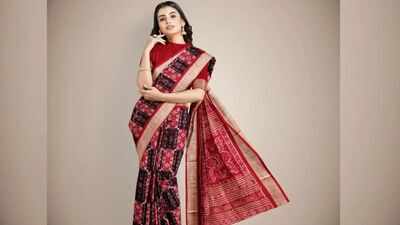
At first glance, Odisha’s Pasapalli saree may look like a beautifully arranged chessboard woven into fabric. But the neat squares are not printed onto the saree after it is made. They are planned at the thread level, using the traditional Bandha, or ikat, technique in which yarns are tied and dyed before they are woven. The result is a design that demands careful planning, precision and years of experience from the weaver. The Better India’s “Footnotes of Indian History” visual explainer highlights this unusual process and traces the cultural story behind the iconic weave.
The pattern is planned before the saree reaches the loom
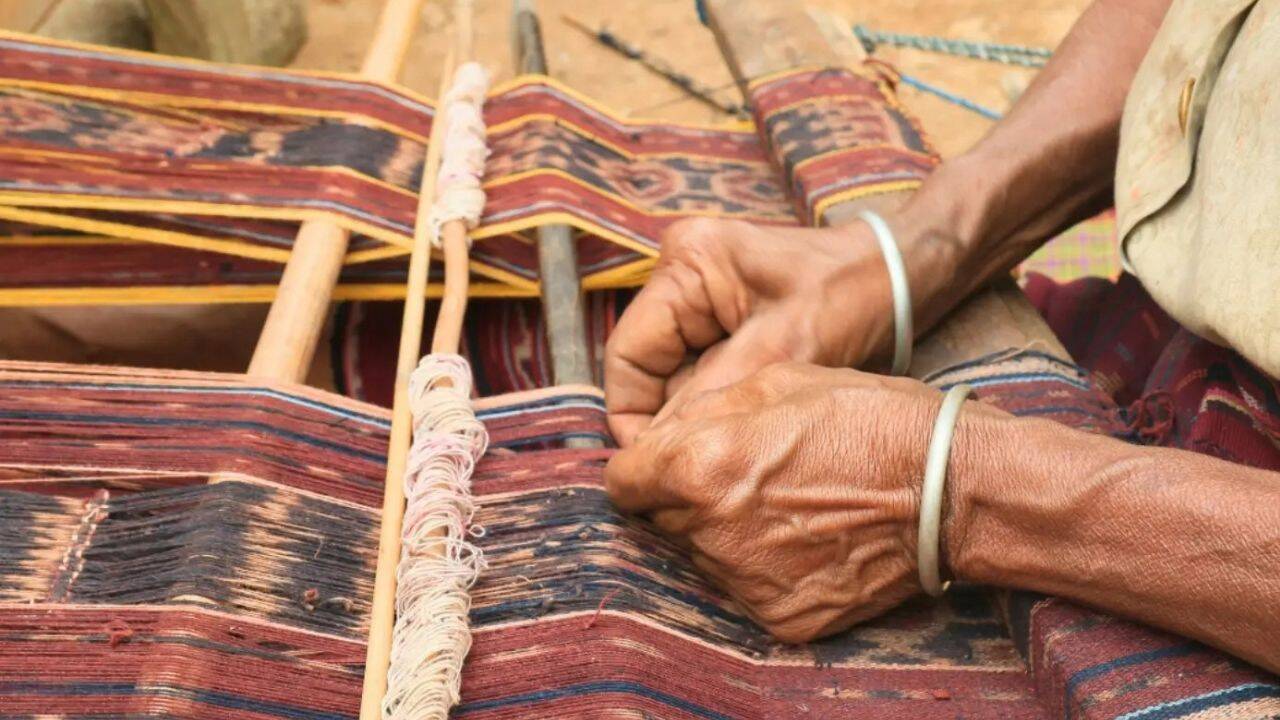
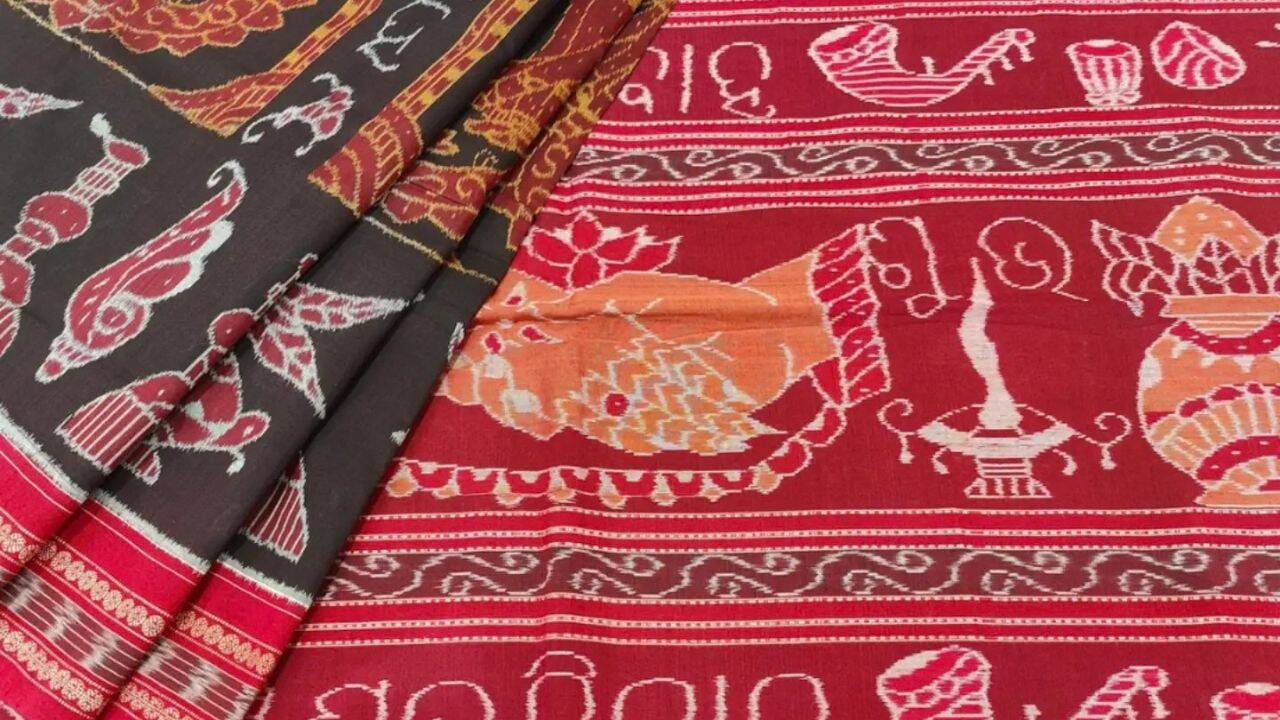
The most striking feature of a Pasapalli saree is its repeated checkered pattern. It resembles a chessboard, but the design is associated with pasa, a traditional Indian board game, rather than modern chess. The name Pasapalli is commonly associated with this distinctive pasa-inspired geometry. The weave is also referred to as Saktapar in several descriptions of the tradition. The important detail is that the squares are not created by simply weaving different coloured threads together and hoping they form a pattern. In Bandha weaving, sections of the yarn are carefully identified and tied so that they resist the dye. The yarn is then coloured, untied and prepared for weaving. When the threads are finally placed on the loom, the dyed sections have to line up correctly to create the intended design.Odisha Tourism describes Bandha as an intricate tie and dye process in which both warp and weft threads can be tied and dyed before being arranged on the loom. The technique allows weavers to create detailed geometric designs as well as motifs inspired by nature, including fish, birds, flowers, conch shells and rudraksha beads. Pasapalli is particularly demanding because its characteristic checks rely on precise alignment. A small mistake while tying, dyeing or arranging the yarn can affect how the pattern appears once the threads come together. This is why the finished saree can look simple from a distance while hiding an extremely complicated process underneath. The Government of India’s handicrafts compendium identifies Sambalpuri Bandha sarees as featuring a double ikat checkered pattern along with traditional rudraksha bead compositions in the border. The same source notes the presence of other traditional motifs such as fish, conch shells, birds, animals and floral designs.
From Western Odisha’s weaving tradition to a recognised Sambalpuri identity
Pasapalli belongs to the wider Sambalpuri Bandha tradition of Western Odisha. Sambalpur and surrounding areas have long been associated with skilled handloom weaving, with Bargarh, Sonepur and other parts of western Odisha also playing important roles in the craft. The history of Sambalpuri textiles is closely connected with generations of weaving communities, including Bhulia and Meher artisans. The visual explainer shared by The Better India also discusses an oral history that links Bhulia families with migration into the Sambalpur region and the transmission of textile knowledge. Such community histories are important to the story of the craft, although individual migration accounts should be treated as oral tradition rather than as firmly established historical fact.One important figure in the modern development of Sambalpuri textiles was Radhashyam Meher. Sources on Odisha handloom history credit him with designing a handloom in 1926 that could weave fabric 90 inches wide. This development helped expand the possibilities of Sambalpuri textiles and improve the quality and range of products made by local weavers. His contribution is significant because Sambalpuri weaving was not simply preserved unchanged. Weavers continued to experiment with patterns, materials and production methods while keeping the central Bandha technique alive. Over time, the textile became strongly associated with the cultural identity of Western Odisha. The Geographical Indications registry also recognises “Sambalpuri Bandha Saree & Fabrics” as a registered geographical indication for Odisha. The registration was granted in 2012, reflecting the regional identity and established reputation of the craft.
Why every little square represents extraordinary skill
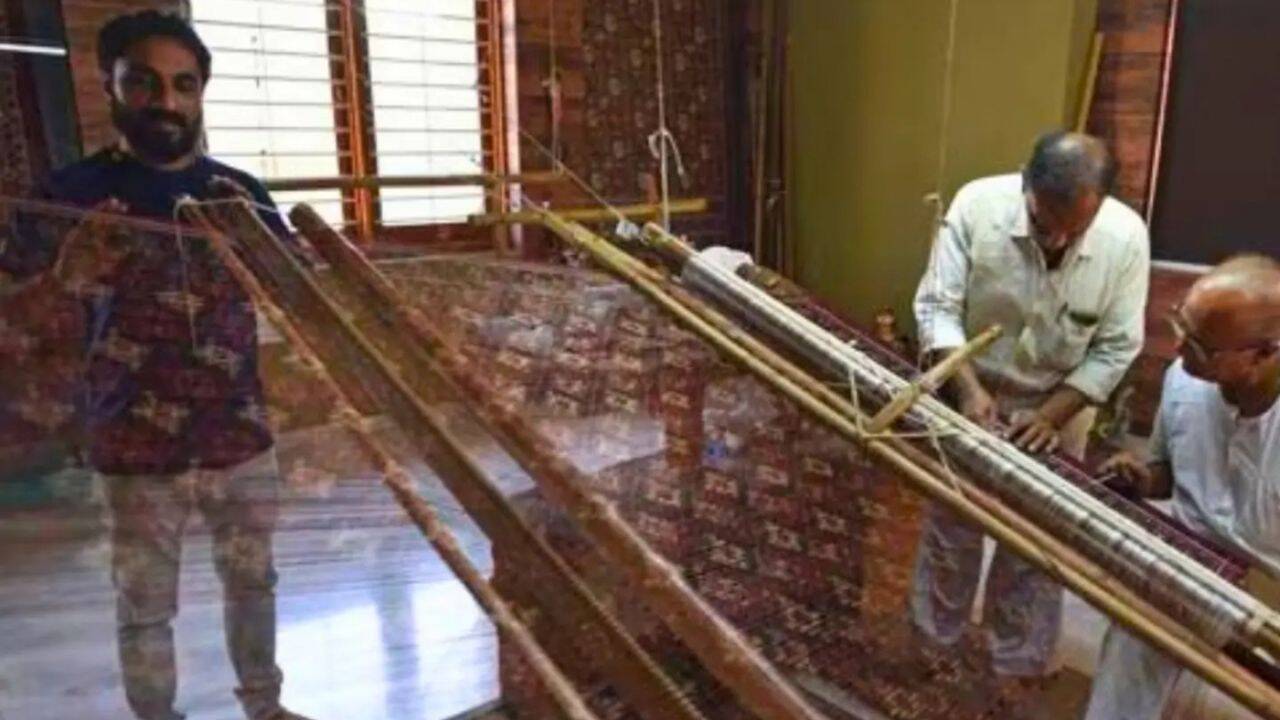
What makes Pasapalli fascinating is the amount of invisible work behind its apparently simple appearance. A printed checkered pattern can be reproduced mechanically. A Bandha pattern has to be imagined, mapped onto yarn, protected through tying, coloured through dyeing and then aligned on the loom. In double ikat, both the warp and weft are involved in the resist-dyeing process, making accurate alignment even more demanding. This also explains why traditional ikat designs can appear remarkably similar on both sides of the fabric. The colour is built into the yarn before weaving rather than simply placed on the surface after the cloth has been produced. Odisha Tourism describes this tie and dye process as one of the defining features of the state’s ikat tradition.The result is much more than a saree with geometric checks. It is a record of the weaver’s planning, memory and hand skills. Every square depends on hundreds or thousands of threads meeting in the right place. Today, Pasapalli continues to find space in contemporary wardrobes, with its bold geometry being paired with modern blouses and styling. Yet beneath that modern appeal remains an old craft tradition in which the design begins long before the loom starts moving. That is perhaps the most remarkable thing about Odisha’s iconic “chessboard” saree. What looks like a simple pattern is actually a design solved in advance, one thread at a time.