
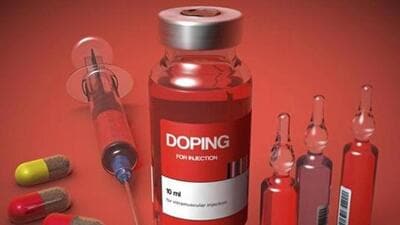
LUCKNOW: In its bid to crackdown on doping at grassroots level, the Meerut District Athletics Association (MDAA) has taken steps to enforce the Athletics Federation of India’s no-needle policy. It conducts checks of the bags of athletes coming in for training and conducts surprise inspections near toilets.
Dedicated teams of volunteers supervise events and are posted at the main entrance to prevent syringes and banned drugs from being brought on to the track.
Checks are conducted during competitions. The volunteers routinely find and confiscate syringes, injectable medicines, and improvised spikes. Such medicines are destroyed in front of athletes to deter them from bringing such items in again.
Anu Kumar, MDAA secretary since 2018, explaining that announcements, banners and WhatsApp advisories consistently remind competitors of the rule.
“We ban coaches and managers from entering the field and also limit spectator access to reduce opportunities for smuggling,” Anu Kumar, MDAA secretary, said. “For synthetic tracks the association even restricts certain spike types, allowing only approved shoes without improvised nails,” added Kumar, who is also the chairman of the UP Athletics Association’s technical committee.
“Even when athletes claim medical necessity, officials require proof, and unless they offer justification, the items are seized and the athlete is barred from competing.”
The effort is also to help protect younger athletes “who have not yet entered these things much,” Kumar said.
The UP athletics association has also adopted similar practices elsewhere in the state. While UPAA acknowledges that only recognised anti‑doping agencies like the National Anti-Doping Agency (NADA) can formally decide on banned substances, MDAA’s measures reduces the chances of misuse.
“Where NADA or AFI personnel are present they perform formal testing and where they are not, local checking serves as a pragmatic line of defence,” UPAA secretary Narendra Kumar said.
“District volunteers can identify suspicious items but cannot medically adjudicate whether a substance is a prohibited steroid or a legitimate prescription. Formal sanctions require laboratory confirmation and due process through NADA and AFI frameworks,” Kumar added.
“UPAA has been doing its best to clear the system and bring transparency in our functioning.”