
Meghalaya is one of the most-visited gems in Northeast India. The state is often associated with Shillong’s lively streets, the spectacular waterfalls of Cherrapunji, the crystal-clear waters of Dawki and the famous living root bridges of Nongriat. But beyond these renowned attractions lies another side of the northeastern state that remains relatively unexplored. From villages where people communicate through musical tunes to remote river islands, fossil-rich landscapes and underground caves, Meghalaya offers experiences that go far beyond conventional sightseeing.Here are 7 places to add to your travel itinerary:Mawphanlur
Shillong
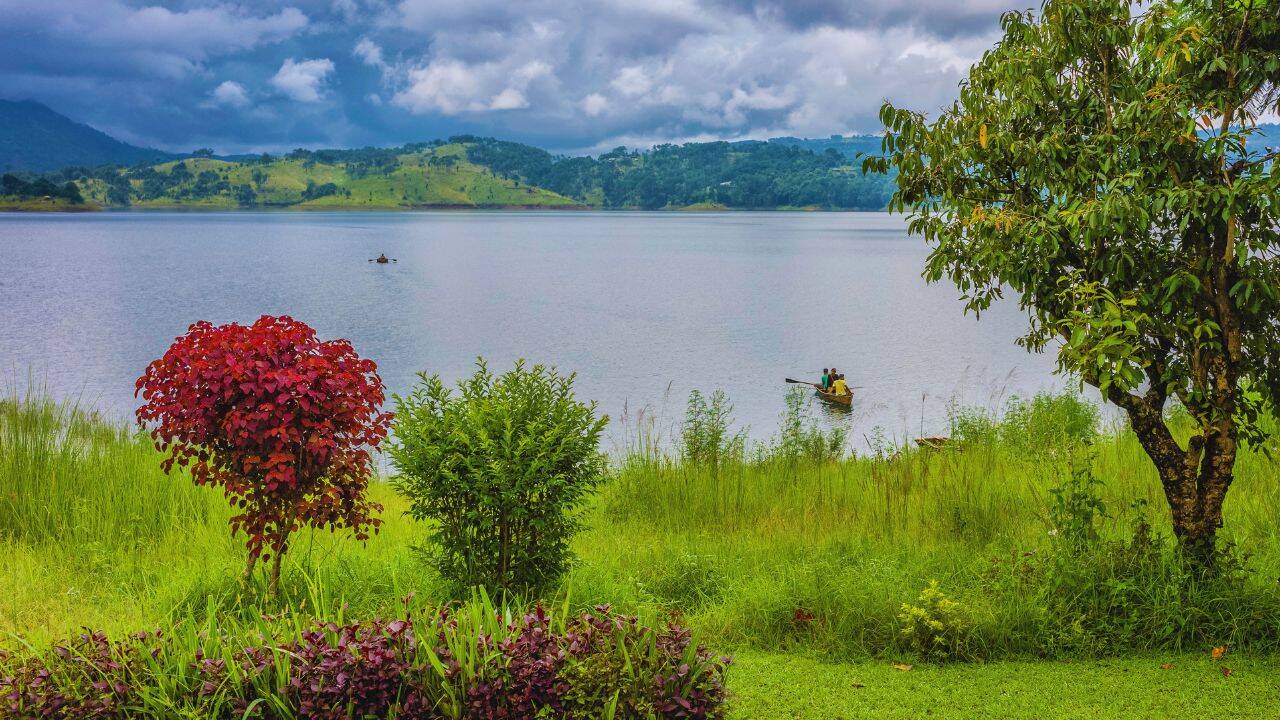
Located in the West Khasi Hills, some 70-75 km from Shillong, Mawphanlur is a beautiful village for travellers seeking solitude. The village is particularly known for its rolling green meadows, rustic cottages and several small lakes that reflect the surrounding hills and changing skies. Visitors can spend time walking through the grasslands, enjoying boating experiences and watching mist roll across the landscape.Unlike destinations where sightseeing involves rushing between attractions, Mawphanlur is best experienced at a slower pace. Its peaceful surroundings make it an excellent choice for nature lovers, photographers and those looking for a quiet countryside retreat.The best time to visit is between October and May, when clearer skies offer beautiful views of the lakes.Kongthong
Meghalaya
Located approximately 55-60 km from Shillong, Kongthong is an interesting addition for travellers who want to understand Meghalaya beyond its natural beauty. Kongthong is a dream come true! Imagine living in a village where people do not simply call each other by conventional names but use distinctive musical tunes. That is what makes Kongthong one of Meghalaya’s most fascinating cultural destinations.Popularly known as the Whistling Village, Kongthong, in the East Khasi Hills, follows a unique Khasi tradition called Jingrwai Iawbei. Under this practice, mothers compose individual melodies for their children, which become their distinctive musical identities. Villagers use these tunes to call one another, giving the settlement its unusual nickname.Mawlyngbna
Meghalaya Lake
Mawlyngbna is a perfect place for adventure enthusiasts. Located in the East Khasi Hills, the village is known for its fossil-rich landscapes, Umkhakoi Lake and the fascinating Mawsiangjroi Crevice Walk. The latter takes visitors through a narrow vertical fissure believed to have been exposed following the devastating 1897 Assam earthquake.The crevice features dangling tree roots, rocky walls and man-made ladders connecting different sections. Another attraction is Umkhakoi Lake, where visitors can enjoy water-based activities. The surrounding area also offers opportunities for fossil exploration and nature walks.Nongkhnum River IslandMeghalaya is famous for its waterfalls and mountain landscapes, but it is also home to an extraordinary river island. Nongkhnum River Island is recognised by the state tourism department as Meghalaya’s largest river island and one of Asia’s biggest.Situated approximately 14 km from Nongstoin in the West Khasi Hills, the island is formed where the Kynshi River divides into two rivers, Phanliang and Namliang. This geographical formation creates an unusual landscape of sandy riverbanks, grassy meadows and flowing waterways.Visitors can walk across a suspension footbridge and experience boating and fishing opportunities. The river island also offers camping possibilities for travellers interested in spending more time amid nature.Kudengrim
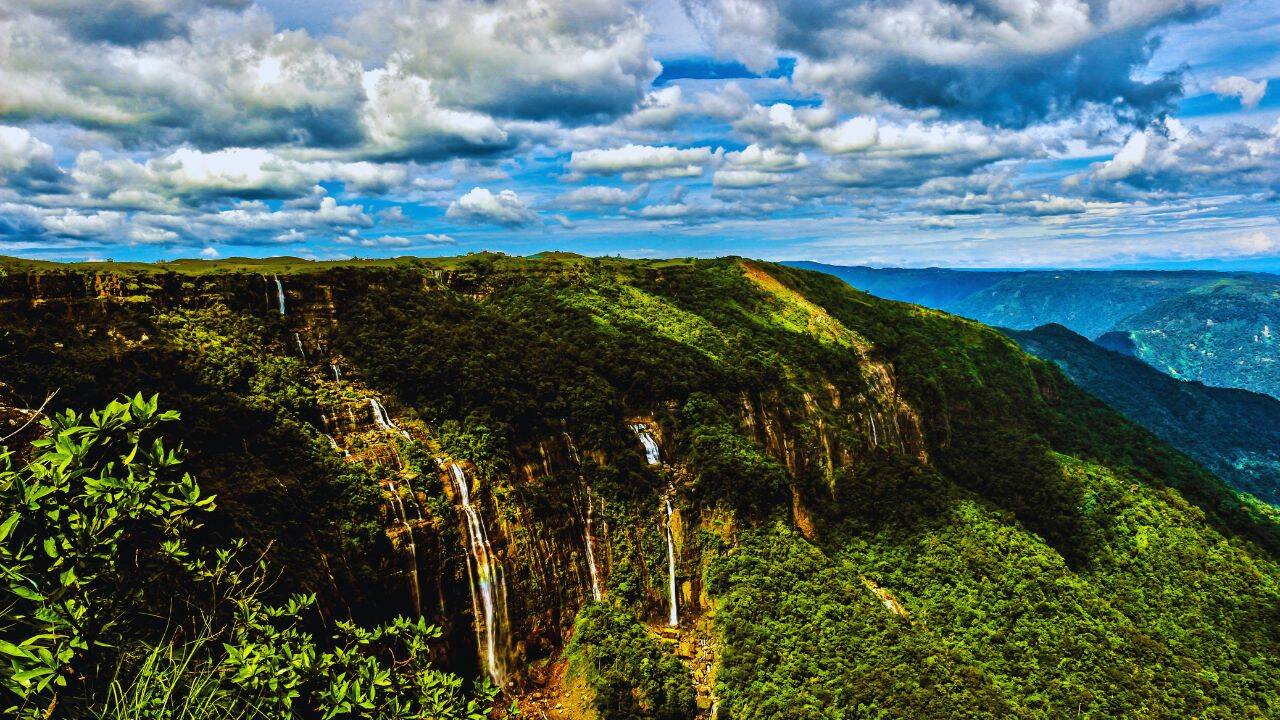
Nohsngithiang Falls
Meghalaya’s living root bridges are among its most remarkable examples of traditional ecological engineering. While Nongriat attracts considerable attention, Kudengrim offers another fascinating opportunity to experience this indigenous architectural tradition.Located in the Jaintia Hills, the village is surrounded by dense forests, streams and waterfalls. One of its highlights is a double-level living root bridge created by carefully guiding the roots of rubber fig trees (Ficus elastica) across natural gaps.Reaching the attraction involves a short hike through a forested landscape. Visitors can also explore nearby waterfalls, including Mukhre Step Falls, and enjoy the surrounding bamboo structures and scenic trails.Nongbareh
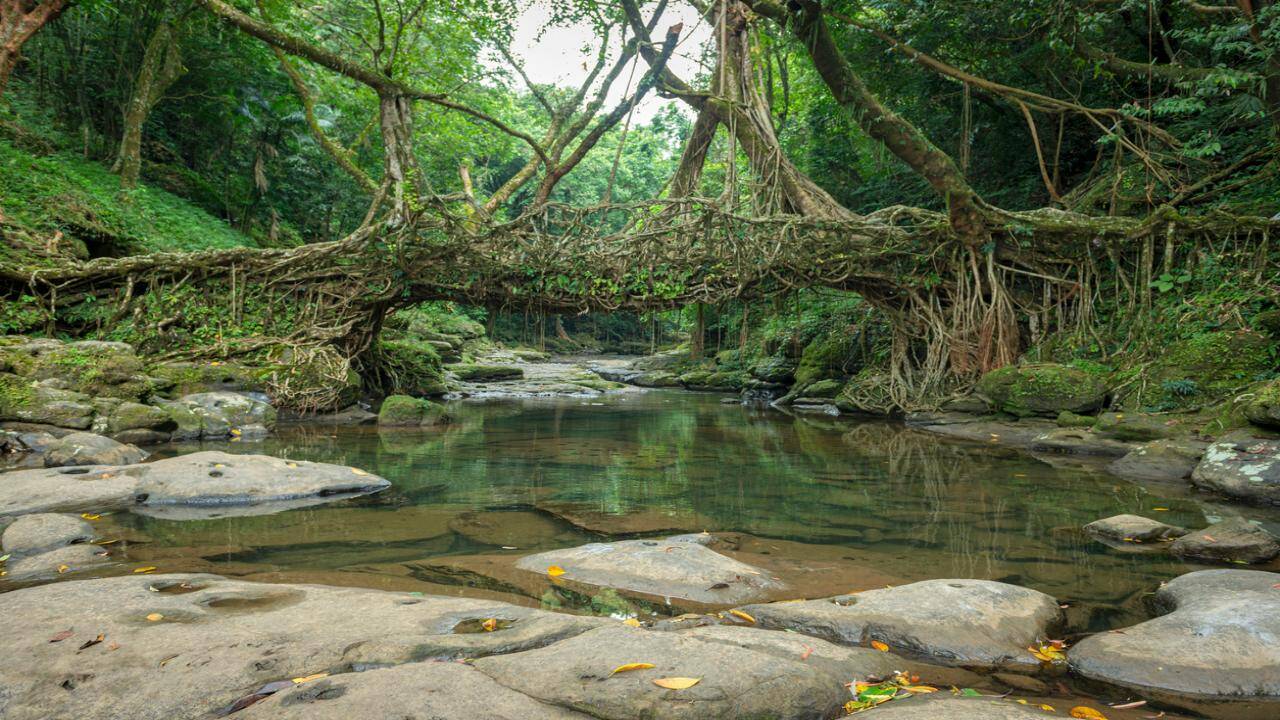
living root, meghalaya
The village is known for its remarkable living root bridge, a double-span structure that crosses the Amlayee River. Known locally as Jingkiengjri Ammosai, the bridge is believed to be more than 100 years old and reflects the traditional relationship between local communities and their natural surroundings.Nongbareh is also a destination where travellers can learn about the living root bridge tradition directly from the communities that have preserved it. Given its remote location, arranging a local guide is advisable.Siju Cave
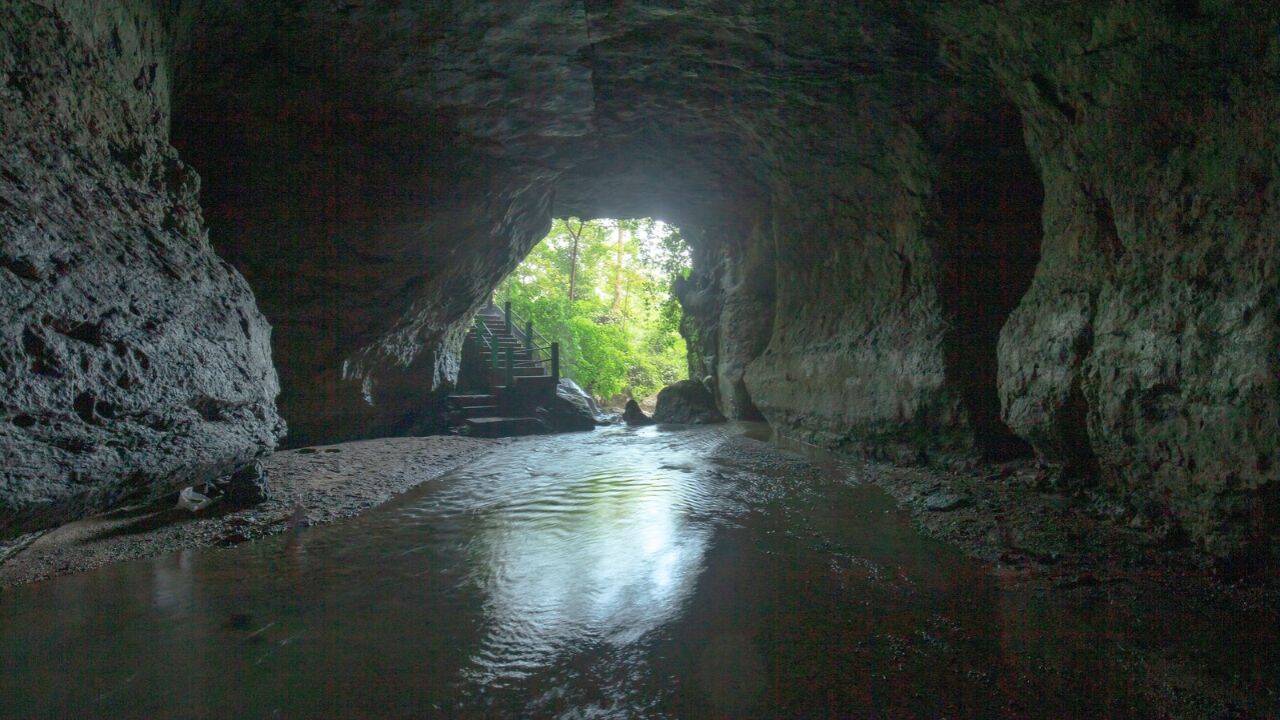
Enterance to Siju Cave
Also known as Dobakkol or the Bat Cave, it is one of India’s longest limestone cave systems, extending over 4.7 km. Located in the South Garo Hills near the Simsang River, the cave is known for its dramatic stalactites, stalagmites, underground streams and distinctive cave-dwelling species.Thousands of bats inhabit its chambers, while its underground pools are known to support unusual aquatic life, including blind cave fish.The surrounding region offers more attractions, including the Siju Bird Sanctuary, which is home to birds such as hornbills and peacock pheasants. Visitors can also explore nearby limestone formations and fossil-rich landscapes.Since cave exploration involves challenging terrain, travelling with an experienced local guide is essential. November to March is recommended by Meghalaya Tourism for safer exploration.