
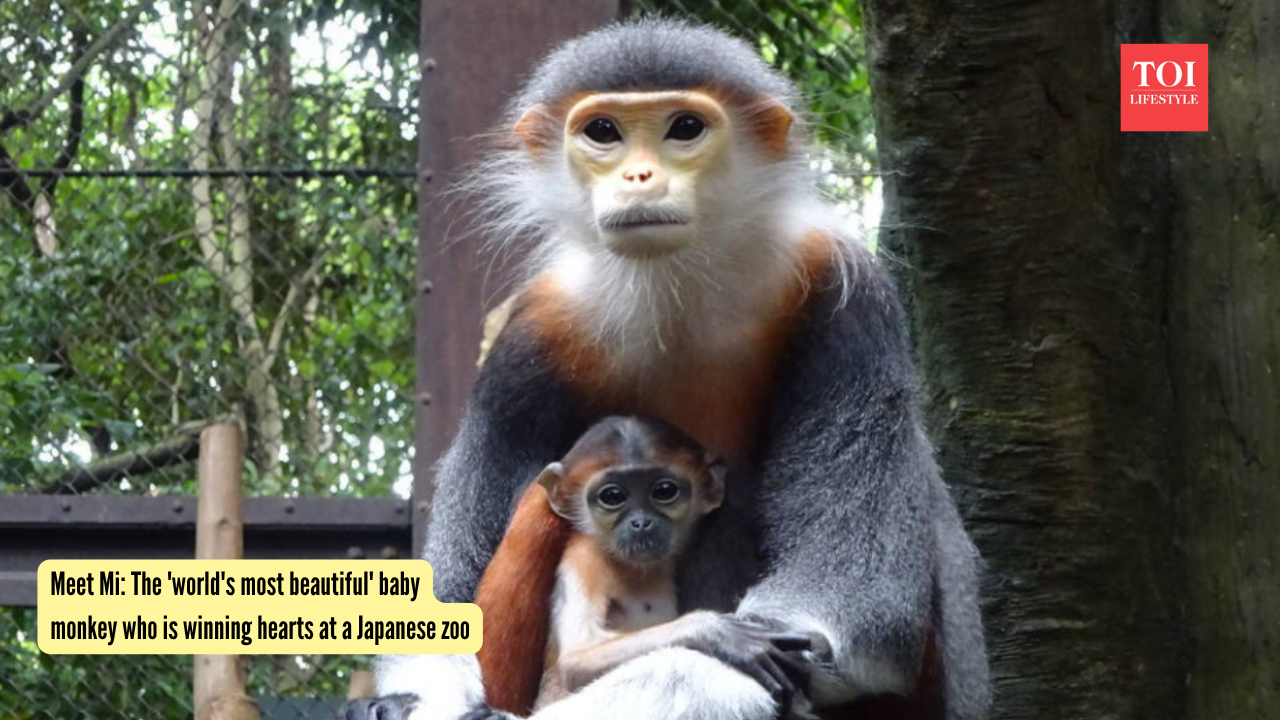
A tiny monkey with a pair of big, round eyes, a clumsy first step, and a little face peeking out from behind a parent is already winning hearts in Japan, particularly, which has given the world these viral animal stars and a few unforgettable faces over the years.At Yokohama Zoological Gardens Zoorasia, one of Japan’s largest and most beautiful zoos, a baby monkey has made its public debut.
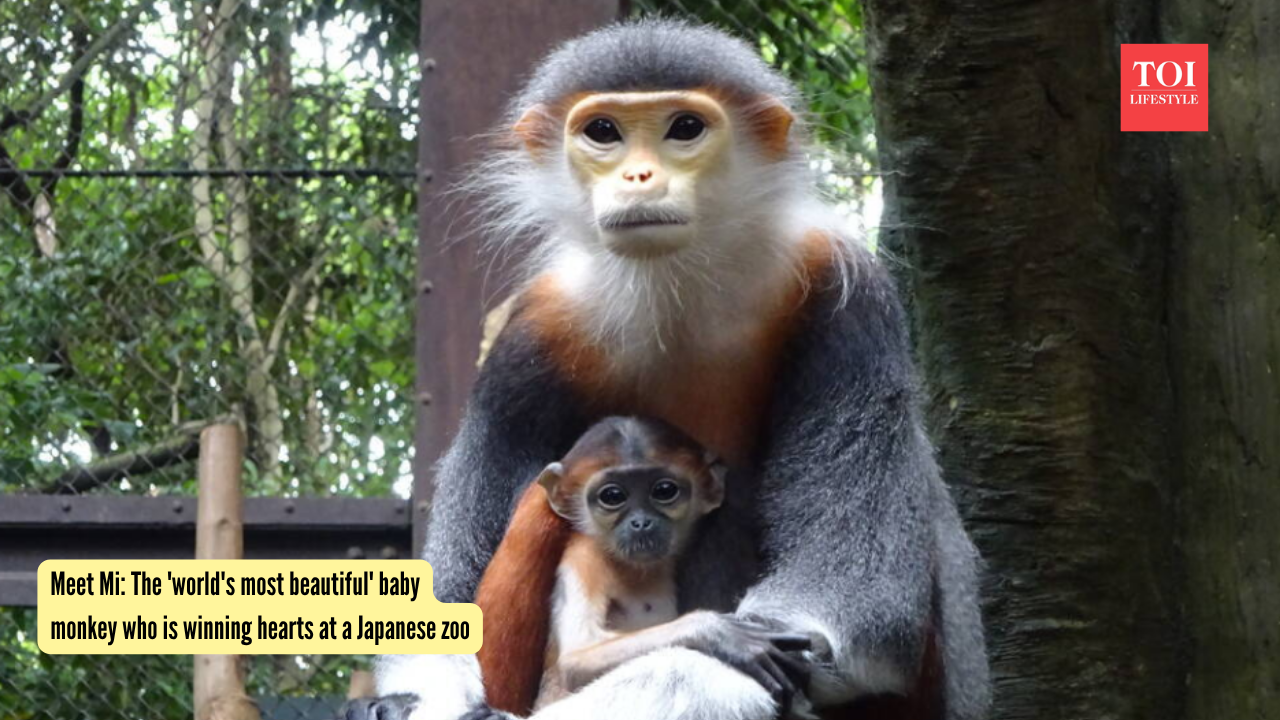
Photo via Yokohama Zoological Gardens Zoorasia
Meet Mi, the zoo’s newest celebrity
A baby red-shanked douc langur named Mi has become the star attraction at Yokohama Zoological Gardens Zoorasia in Japan. Born in January this year, the little one spent its first few months remaining close to its parents before being shown to the public.According to the Mainichi, a Japanese daily, after nearly four months, Mi is drawing crowds charmed by its big, round eyes, playful movements, and unusually colourful coat.The name itself is quite sweet. “Mi” comes from a Vietnamese word meaning “beautiful,” chosen as the species’ home in Southeast Asia. The zoo offered visitors three possible names, and the public ultimately picked Mi through a vote.
Monkey is so colourful, it’s called the world’s most beautiful
The red-shanked douc langur is no ordinary monkey. Often described as the “world’s most beautiful monkey,” it is famous for its beautiful reddish-brown fur cover that also combines black, white, and grey, with flashes of gold, which is so unique that some zoos affectionately call doucs “costumed apes.” According to the conservation group WWF, doucs are among the most beautiful primates in the world.These gentle, leaf-eating monkeys are native to the forests of Southeast Asia, mainly Vietnam and Laos, where they live high up in the rainforest canopy. They have specially adapted, multi-chambered stomachs that help them digest a fibre-heavy diet of leaves. Sadly, like many of their relatives, they are endangered, threatened by habitat loss, hunting, and the illegal pet trade, which together have caused wild numbers to fall sharply in recent decades.
How does Mi spend its day?
Mi spends much of its time clinging to its parents, father Moi and mother Hoa, which is completely normal behaviour for a young langur. But the infant is already showing a streak of independence. Mi was confidently crossing logs on its own and venturing a little farther from mum and dad with each passing day.