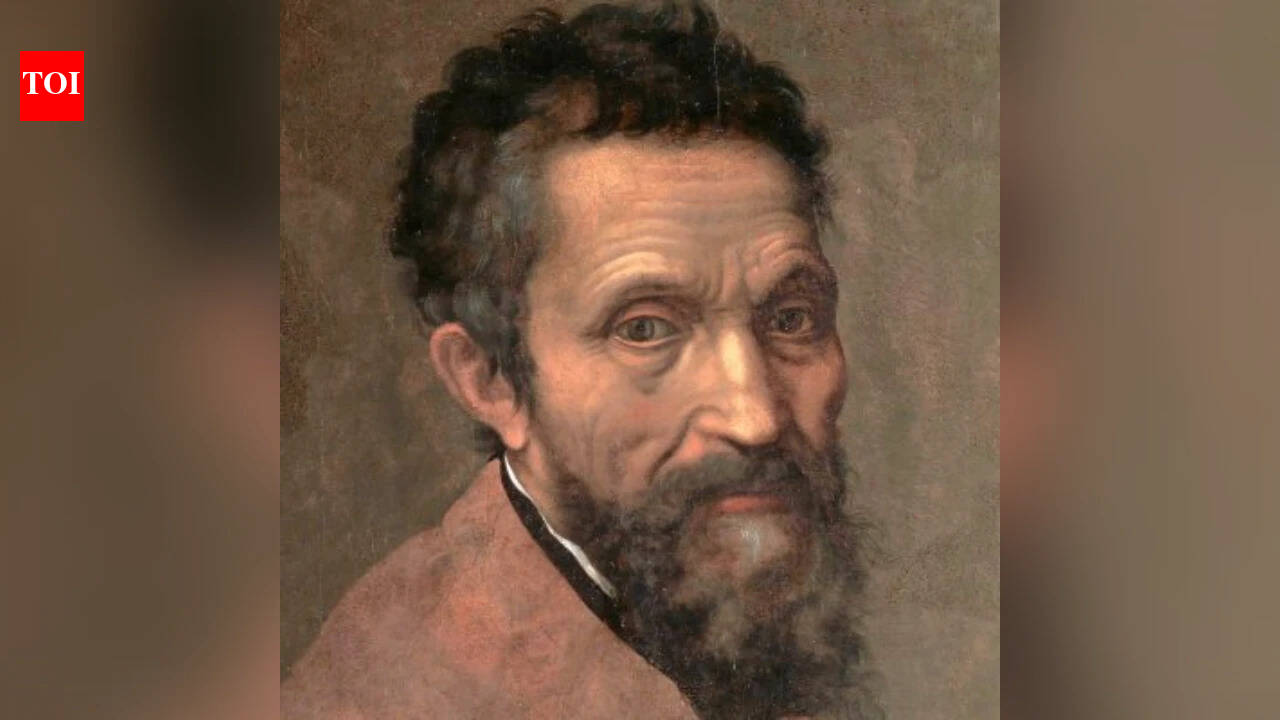
Michelangelo di Lodovico Buonarroti Simoni was an Italian sculptor, painter, architect, and poet of the High Renaissance. He is also popularly regarded as one of the greatest artists in history. His most famous works include the statue of David, the ceiling of the Sistine Chapel, and the Pietà.Michelangelo beautifully described a strange trap that a lot of skilled people fall into. The more capable their hands become at painting, cooking, coding, writing, building, the easier it is to switch off judgment and learning and just let the hands run on autopilot. People reach a point where skill starts to feel like enough. For a while, it is enough, as the work gets completed, output looks fine, and deadlines are met.But somewhere along the way, something quietly starts to go missing. The work becomes technically correct but a little hollow.
Quote of the day
It is necessary to keep one’s compass in one’s eyes and not in the hand, for the hands execute, but the eye judges
Michelangelo
What does the quote mean?
During the Renaissance, a compass was a basic drafting tool used to draw precise circles and measurements. Michelangelo’s point was simple but quite profound: he told us not to rely only on the tool in our hand to get things right, but on the eye—our inner sense of proportion and judgment—to guide the tool.The hand simply carries out the work. It’s the eye, meaning your perception, discernment, and understanding, that decides whether the work is actually good.In simple words, technical skill alone isn’t enough. You can have the steadiest hand in the world, but without a trained eye to judge proportion, balance, and meaning, that hand will just produce technically accurate but soulless work. The “compass in the eyes” is about understanding judgment so deeply that it guides every movement, instead of mechanically measuring after the fact.
What does this really mean?
Michelangelo actually talks about the relationship between execution and judgment. Execution is doing, or it’s the physical act of building, writing, drawing, coding, performing. Judgment is the discernment, the understanding, the perspective, knowing what’s right, what fits, what works, and what doesn’t. Michelangelo is saying that judgment has to lead. If you let your hand run without your eye actively guiding it, you’re just producing motion, not mastery.This isn’t only about art. It applies to any skill where you can technically “do” something correctly but still miss the point. A person can follow every step of a recipe and still make bland food if they never taste and adjust along the way. A writer can follow grammar rules perfectly and still write something lifeless if they don’t judge tone and rhythm. The real skill is in the eye that keeps checking, correcting, and deciding.