
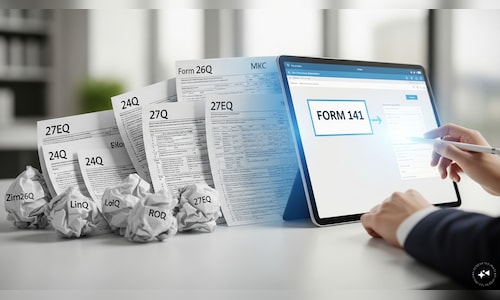
Single form replaces multiple TDS filings
Form 141 replaces several existing PAN-based TDS forms used under the previous tax regime, including Forms 26QB, 26QC, 26QD and 26QE. The move is part of a broader transition to the new tax framework applicable from the 2026–27 tax year.
The new form consolidates reporting requirements for specified transactions covered under Section 393(1) of the new law.
Covers four key transaction categories
Form 141 is structured into four schedules, each corresponding to a different type of transaction:
- Rent payments by individuals or Hindu Undivided Families (HUFs)
- Purchase or transfer of immovable property
- Payments to contractors or professionals
- Transfer of virtual digital assets (VDAs) such as cryptocurrencies
While the form is unified, taxpayers must file separate Form 141s for each transaction category.
Applicability and filing conditions
- The form applies only to transactions involving resident deductees
- It must be filed through the e-filing portal using a PAN login
- Multiple deductees can be included in a single form only if they belong to the same category (corporate or non-corporate) and relate to the same month of deduction
Digital-first process with auto-filled data
The filing process is fully online and begins with generating a challan reference number (CRN) via the e-Pay Tax facility. Key details such as deductor information are auto-populated from the user’s profile, while users are required to input transaction-specific data.
The system also auto-calculates TDS liability and total payment based on entered values, with provisions to add interest or late fees where applicable.
Transaction-specific reporting requirements
Each schedule requires detailed disclosures:
- Property transactions require reporting of agreement value, stamp duty value and buyer-seller details, with TDS applicable only if the transaction exceeds ₹50 lakh
- Rent payments require tenant-landlord details and rent breakup
- Professional/contract payments capture nature of service, payment amounts and deduction details
- VDA transactions require reporting of consideration in cash, kind or exchange, along with valuation
Integrated payment and confirmation
After submission, users can make tax payments directly through the portal. Upon successful payment, a challan receipt is generated and confirmations are sent via email and SMS. The details are also stored in the payment history section.
ALSO READ | EPFO asks offices to switch to Form 121: What it means for TDS exemption
First Published: Apr 15, 2026 1:23 PM IST