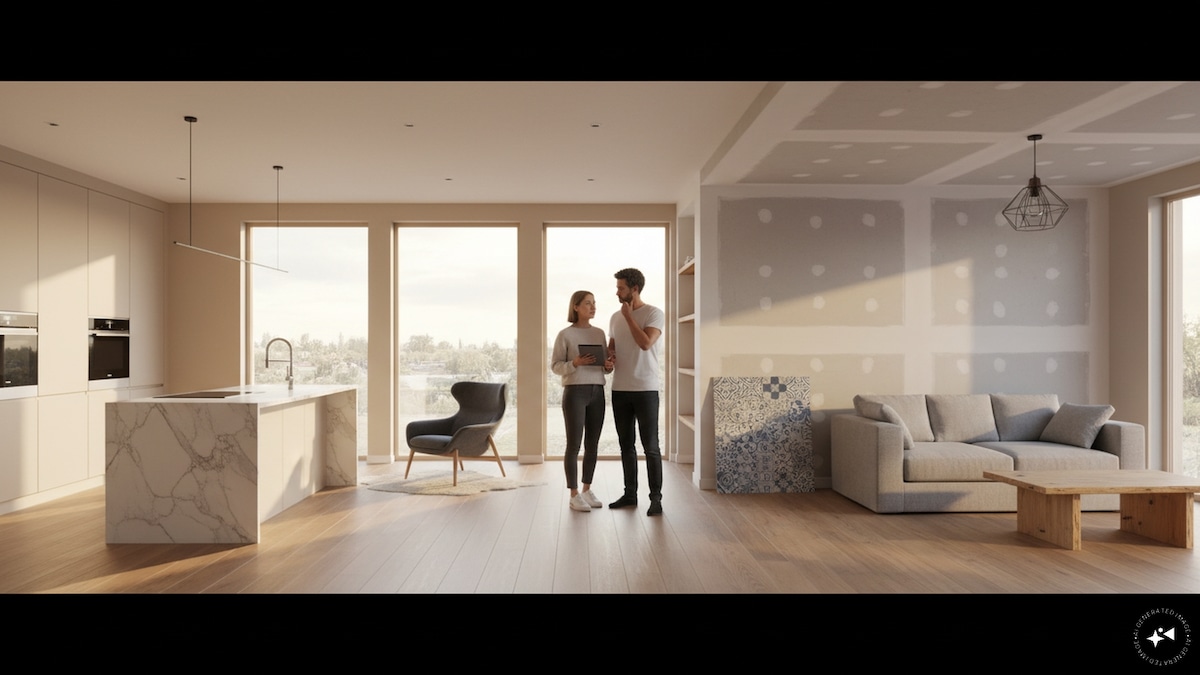
Financial planning experts say buyers should distinguish between expenses that add long-term value and those that are largely lifestyle choices. While some costs are difficult to reverse later, others can be postponed or upgraded gradually.
“ Buyers should prioritise investments in aspects that deliver long-term value, such as location, construction quality, legal transparency, developer credibility and infrastructure potential,” said Samujjal Ghosh, Associate Director at NK Realtors, a real estate marketing and consulting company.
Spend on the fundamentals
Experts suggest that buyers should prioritise aspects that determine the long-term usability and value of a property. These include the location of the home, quality of construction, legal due diligence, developer track record and connectivity.
“Compromising on the fundamentals of a property often results in higher costs in the long run,” Ghosh said.
For those planning interiors, experts recommend spending on areas that are expensive to change later, such as electrical wiring, plumbing, waterproofing, flooring and storage solutions.
“Electrical wiring, plumbing, waterproofing, false ceiling planning and flooring should never be compromised. These are expensive and disruptive to redo once a home is occupied,” said Hardesh Chawla, Founder and CEO of Essentia Group, a fully integrated design, architecture, manufacturing, and retail group.
Avoid overspending on things that can change
While interiors can improve the comfort and appearance of a home, not every element needs a high budget. Décor items such as furniture accents, lighting fixtures, artwork, rugs and accessories can be upgraded over time.
“Buyers can certainly save on elements such as interior upgrades, décor preferences or non-essential amenities, which can be enhanced over time based on evolving needs and budgets,” Ghosh said.
Experts suggest homeowners should avoid making large purchases based only on current trends. A neutral design base with flexible décor choices can help reduce replacement costs in the future.
Plan interiors in phases
For many homebuyers, especially those managing home loan repayments, completing the entire house at once may put pressure on finances. A phased approach can help balance aspirations with affordability.
Homeowners can prioritise essential areas such as kitchens, bedrooms, wardrobes and living spaces, while adding guest rooms, entertainment zones or premium upgrades later.
Look beyond immediate costs
A home is both a personal space and a long-term financial asset. Spending more on quality, functionality and maintenance-friendly features can support better value over time, while unnecessary upgrades can increase the financial burden.
“The focus should be on making informed choices by investing in the right fundamentals while optimising discretionary spending,” Ghosh said.
For new homeowners, the key is not to minimise every expense, but to allocate money where it improves long-term utility, reduces future repair costs and supports the overall value of the property.