
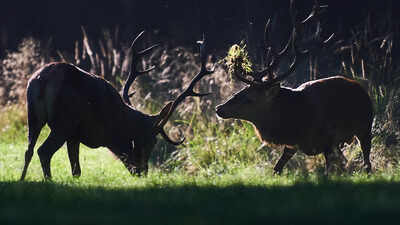
Over the past fifty years, the average size of monitored wildlife populations around the world has fallen by 73 per cent, according to WWF’s Living Planet Report 2024. The report names loss and degradation of habitat as the most commonly reported threat, driven mainly by how the world grows its food.This finding raises a plain question. When animals lose the land, water and forest they depend on, what happens to them?A shrinking home, not a vanishing oneHabitat rarely disappears all at once. It is cut into pieces by farms, roads, canals, railway lines, power lines and growing towns. Each piece may still have trees and water, but it supports fewer animals than the original whole did.The 73 per cent figure also needs careful reading. It describes the average change across thousands of monitored populations. It does not mean that three-quarters of the world’s animals are gone, or that three-quarters of species have disappeared. What it does show is a steady thinning, and the report describes such declines as an early warning of greater risk to species and ecosystems. The pressure it describes is gradual and widespread rather than the result of a single event, which is partly why it is easy to overlook. The report also notes that some populations have held steady or recovered where conservation has worked.
Not just about wildlife, it’s about the essential ecosystems that sustain human life
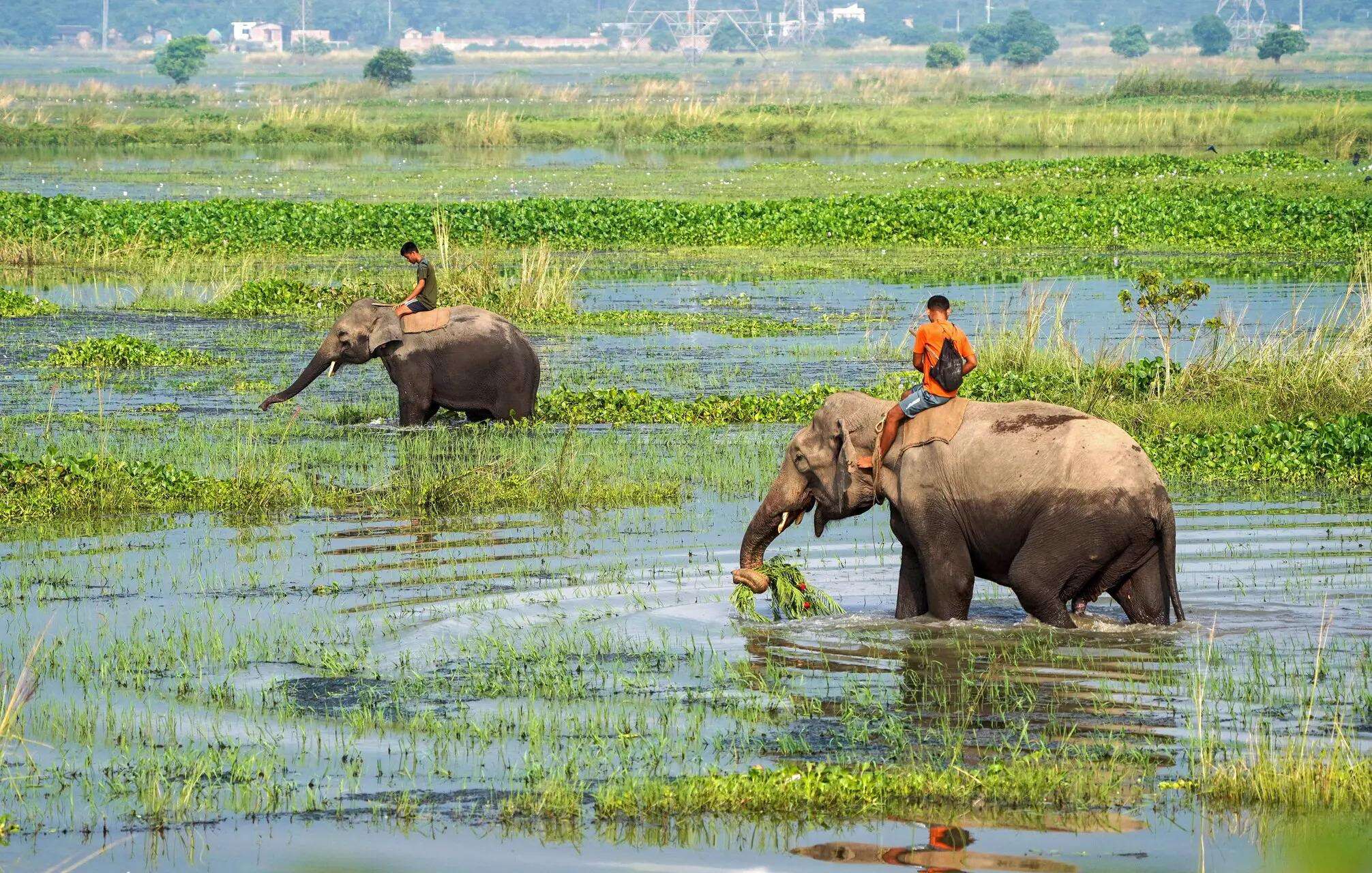
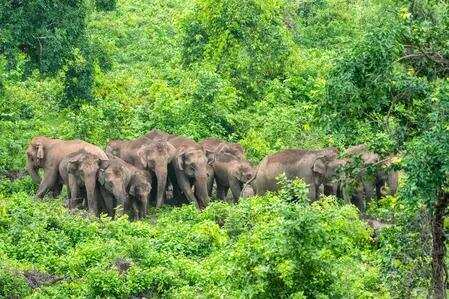
“This is not just about wildlife, it’s about the essential ecosystems that sustain human life,” said Daudi Sumba, chief conservation officer at WWF.What changes for an animal that loses spaceThe effects usually arrive in a recognisable order. Food and water become harder to find, so animals travel farther to reach them. Their routes cross fields, highways and railway tracks. Animals with large ranges, such as elephants and big cats, are affected first, because they need the most room.Smaller populations face a slower problem. When forest patches are cut off from one another, animals cannot move between them to find mates. Over time a small, isolated group becomes more vulnerable to disease and to sudden shocks such as drought or fire. Wherever forest meets farmland or settlement, animals and people also meet more often, and not always safely.Elephants outside the fenceIndia’s elephants show how this plays out. The country holds about 60 per cent of the world’s Asian elephants, according to the last census in 2017. Most of them do not live inside protected areas. Government and press figures put the share outside reserves at about 80 per cent. That share matters for everything that follows. A herd that lives mostly outside reserves has no boundary between it and the land that people farm, travel across and build on.For these herds, a journey between feeding grounds can pass through paddy fields, village lanes, rail lines and overhead power cables. Official data tabled in Parliament in 2024 shows what that means. Over five years, the leading cause of unnatural elephant deaths was electrocution, ahead of train accidents, poaching and poisoning. Odisha, Assam, Karnataka and Tamil Nadu reported the largest numbers of electrocution deaths.
The country holds about 60 per cent of the world’s Asian elephants
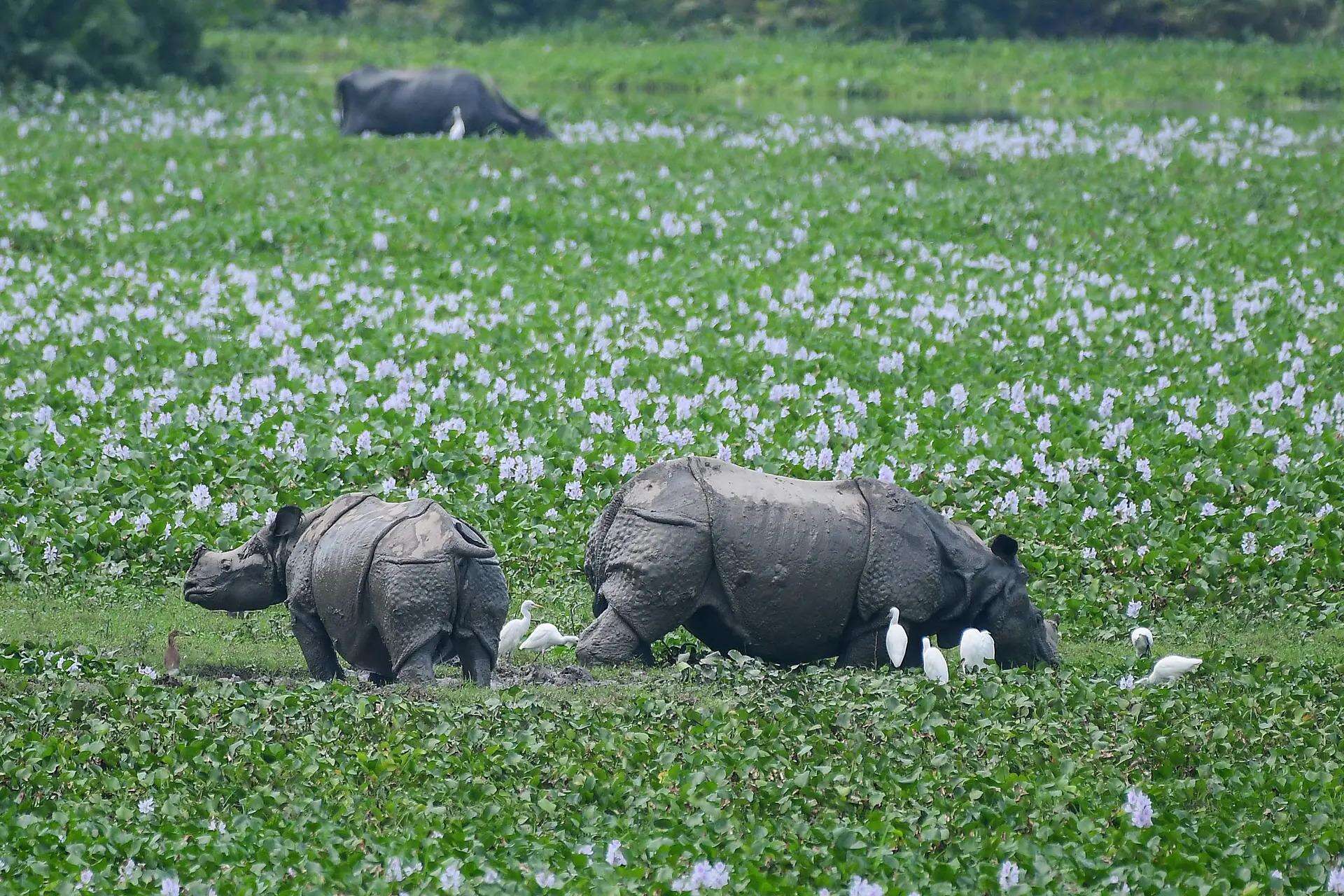
The government has taken some steps in response. It has identified and ground-validated about 150 elephant corridors, the routes herds use to move between forests. The Railways and Environment ministries have also formed a standing committee to reduce deaths on tracks.Tigers on islands of forestTigers tell a more hopeful story, with a warning attached. The 2022 estimate counted at least 3,682 tigers in India, a record, spread across 53 tiger reserves. These reserves are among the best protected forests in the country.But the same assessment shows the limits of protection. Roughly a third of the reserves need stronger protection, habitat restoration or more prey for the tigers to feed on. A few reserves in Mizoram, Nagaland and Jharkhand reported almost no tigers at all. Summaries of the report also describe many reserves as small islands of forest, joined to one another by a limited number of corridors. A reserve with a healthy tiger population can send young animals out in search of territory of their own, and many of them end up in unprotected land among farms and villages.The record count and the weak reserves belong in the same account. Protection works where it is applied well, and the gaps appear where it is not.Where Kaziranga endsKaziranga’s protection does not stop at the park boundary, and a new proposal from the Assam government has put that line under debate. The state wants to replace the default 10-km eco-sensitive zone (ESZ) around Kaziranga National Park and Tiger Reserve with a site-specific zone of one to three kilometres. An ESZ is a regulatory buffer, declared by the environment ministry on a state’s proposal. It is not an outright ban: depending on the notification, activities in it may be prohibited, regulated or permitted, and mining is among those most strictly restricted.
The state wants to replace the default 10-km eco-sensitive zone (ESZ) around Kaziranga National Park and Tiger Reserve
Chief Minister Himanta Biswa Sarma says the 10-km limit applies only because Kaziranga has not yet been finally notified. He argues it brings populated areas such as Kaliabor, Doboka and Jakhalabandha under restrictions, and holds up civic projects like a proposed stadium in Bokakhat. The state says the park’s boundary and its UNESCO World Heritage status will not change, and that the 10-km zone stays in force until a new one is notified. Some residents agree. Hundreds rallied in support of the proposal on August 18, saying the current limits get in the way of building homes and basic infrastructure.The opposition and conservationists are not convinced. Congress state president Gaurav Gogoi led a protest at the Kohora range and alleged that the change could give legal cover to mining. The state government rejects the charge. Conservationists such as Jadav Payeng and Kavita Ashok point to the annual floods, when rhinos, deer and elephants move to higher ground outside the park. A smaller zone, they warn, could cut off those routes.A 2025 conservation assessment notes that a smaller zone is not necessarily a weaker one if it is designed to protect the most sensitive areas. Whether it does will depend on the final notification, which will decide whether wildlife corridors, flood escape routes and wetlands fall inside the line.Wetlands and the quieter lossesSpace does not only mean forest. Globally, freshwater species have seen the steepest declines in the WWF report, and wetlands are often among the first places to be drained or built over.The report points to Chennai, where rapid urban growth has led to a large loss of wetland area. Wetlands shelter birds, fish and amphibians, and they also soak up floodwater for the city around them. When they go, wildlife loses a home and people lose a buffer.The cost to peopleWhen space runs out, people pay too. Government data tabled in Parliament showed that elephants killed 2,853 people in India over five years, with the highest toll in 2023. Many of these deaths happened in places where farms, villages and elephant routes overlap. The elephant deaths and the human deaths come from the same stretches of land, where both now depend on the same ground.The Environment Ministry has issued guidelines on managing human-elephant conflict, and it says compensation is provided for losses. These measures respond to the damage after it happens. They do not by themselves restore the space that animals have lost.Where space is being rebuiltSome efforts aim at the cause. West Bengal has begun a community programme called Gajamitra, or Friends of Elephants, in which local people take part in reducing conflict. Conservation scientists have also suggested low-cost methods for farmers, such as planting chillies, ginger or citrus around fields, which elephants tend to avoid, or placing beehives along field edges.The WWF report also records progress in India, where it says some wildlife populations have stabilised or recovered. It credits government initiatives, careful habitat management, scientific monitoring and community involvement. At the global level, the report calls for more effective conservation along with changes in food, energy and finance systems.
Share your thoughts in the comments
Be respectful · TOI community guidelines
What the evidence points toThe picture from India and from the world is consistent. Animals do not simply move on when their habitat shrinks. Their numbers thin out, they wander into danger, they come into conflict with people, or they disappear from places they once held. Where land is protected, connected and shared with the people who live beside it, some populations hold their ground or recover.
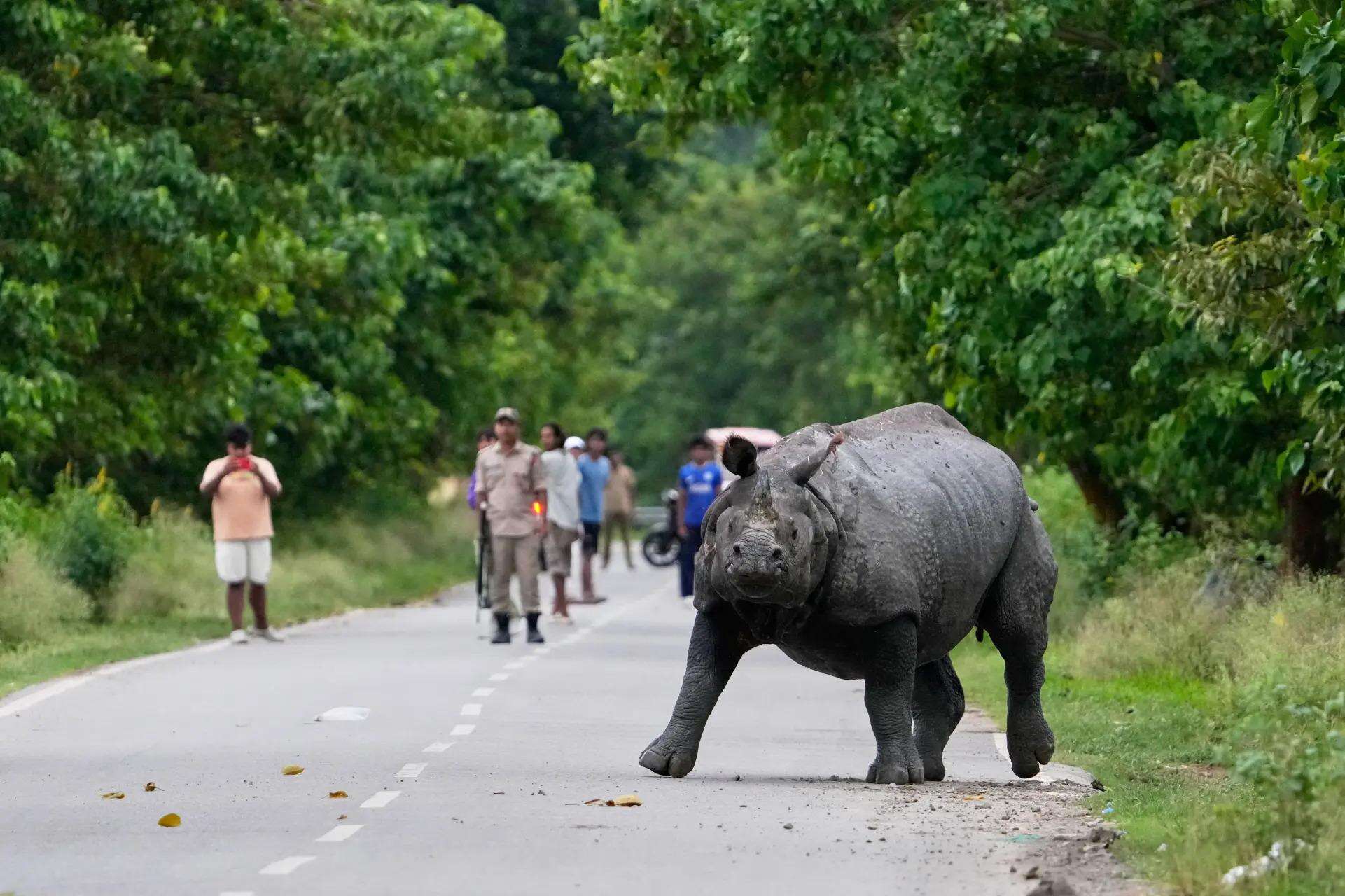
Animals do not simply move on when their habitat shrinks. Their numbers thin out
India’s own examples point in both directions: electrocutions and train deaths on one side, a record tiger count and recovering populations on the other. The difference lies largely in whether land is protected and linked together, and whether the people who live beside wildlife are part of the plan.The question on World Wildlife Day is how much room is left for wildlife, and who decides what happens to it.