
In the forests of southern Chile, a creature introduced for a fur industry that never took off is reshaping the natural environment. North American beavers are not just chopping down trees and flooding streams; by building dams across streams and rivers, they are turning forested areas in the region into marshes and bogs where the soil becomes oxygen-deprived.According to Mammal Review, twenty-five pairs were introduced to Tierra del Fuego in 1946, and the population subsequently spread through the archipelago, reaching the Chilean mainland by the mid-1990s. In parts of the region, their dams and ponds have altered large stretches of streams and forests, making the invasion one of the most extensive ecosystem-level changes in the sub-Antarctic landscape.Dams transform forests into waterlogged landscapesThe beaver is often called an ecosystem engineer because its dam-building and feeding habits can significantly change the surrounding landscape.
CJP Jantar Mantar Protest Updates
In North America, where beavers are native, these changes help create wetlands and support a wider variety of plants and animals. However, after the species was introduced to southern South America, its ability to reshape rivers and streams had very different effects on ecosystems that had evolved without beavers.When beavers dam streams, the flow of water slows and backs up, flooding surrounding soil and vegetation. They also cut down trees for food and to obtain materials for building dams and lodges. The effects can extend well beyond the flooded area. Research published in Biological Conservation found that on Navarino Island in Chile, beaver activity reduced forest canopy cover up to 30 metres from streams and severely disrupted the regeneration of native Nothofagus trees. Areas once occupied by riparian forest can consequently be converted into open meadows or wetlands, while the original forest may struggle to recover.That transformation also changes how carbon stored in the landscape is released. Fallen leaves, branches and other organic matter that would once have decomposed in relatively oxygen-rich forest soils can instead accumulate in waterlogged sediments. As the environment becomes increasingly oxygen-poor, microbes break down this organic material through processes that can generate methane.A new greenhouse-gas sourceMethane is a particularly important part of this transformation. Although carbon dioxide is generally released in larger quantities, methane has a much stronger warming effect over a century. Beaver ponds can therefore become sources of greenhouse gases as well as dramatic ecological change.A study published in Science of the Total Environment compared four beaver ponds with four shallow lakes in Tierra del Fuego, Argentina, and found that both types of water bodies released carbon dioxide and methane into the atmosphere. However, the beaver ponds emitted roughly twice as much methane as the shallow lakes, with average methane emissions of 3.8 millimoles per square metre per day compared with 1.1 millimoles in the lakes. The ponds also produced more methane through bubbling from sediments, a process known as ebullition.The results do not suggest that all beaver ponds in Chile release methane at the same rate. This depends on several parameters like temperature, depth of water, amount of organic matter being carried into the pond, and soil composition. However, the results show how an invasion of living organisms can lead to greenhouse gas emissions by altering how an ecosystem stores water and organic matter.
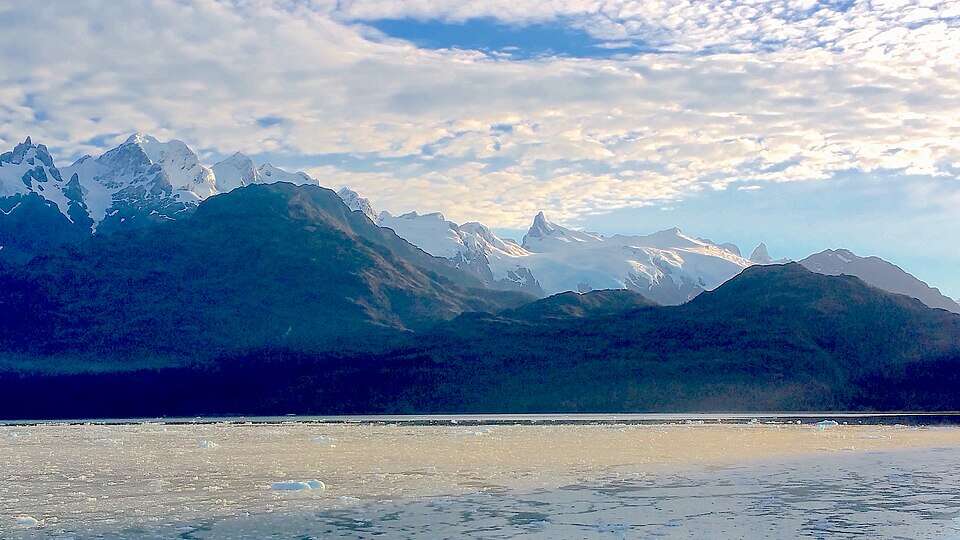
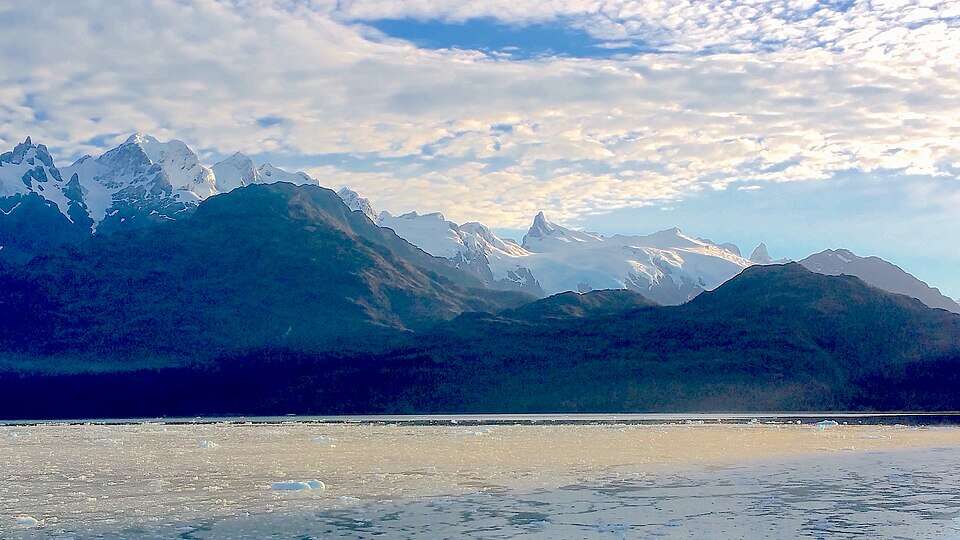
The fjords and forests of southern Chile, where invasive North American beavers have transformed streams and riparian forests by building dams that create new ponds and wetlands. Image Credits: Wikimedia Commons.
The invasion is bigger than the pondsIn southern Chile, beaver engineering has altered forest structure, stream flow, soil conditions and plant communities. Research in Cape Horn has found that beaver activity can eliminate much of the riparian forest while increasing the abundance of herbaceous plants in newly created meadows. But this increase in plant diversity can conceal another ecological shift: some of the new plants are introduced species, creating opportunities for further biological invasions.The beaver invasion also shows why the impact of an invasive species cannot be measured simply by counting its population. Beavers can change water levels, kill trees, trap sediment and create new wetlands. These changes may continue to shape the landscape even after a dam collapses.The effects can also extend beyond the areas directly occupied by beavers. By altering vegetation and water flow, their activity can change the conditions available to other species, favouring some while reducing suitable habitat for others. In this way, the ecological impact of the invasion is linked not only to the number of beavers present but also to the landscape changes created by their activity.